Materials · 2 July 2026
How to Choose Acrylic: A Specifier's Guide (Singapore, 2026)
Choosing acrylic comes down to four things: impact exposure, optical clarity, outdoor/UV conditions, and fabrication method. This guide covers every decision point for architects, contractors, and specifiers in Singapore.
Choosing acrylic comes down to four things: impact exposure, optical clarity, outdoor and UV conditions, and fabrication method. For clear displays and signage, cast acrylic gives the best finish. For high-impact or safety-critical glazing, polycarbonate or laminated acrylic is the safer call. In Singapore's climate, UV-stable acrylic resists the yellowing that affects polycarbonate outdoors.
- Clearest option: acrylic transmits ~92% of light, more than glass or polycarbonate.
- Toughest option: polycarbonate for near-unbreakable, safety-critical applications.
- Best outdoors in the tropics: UV-stable cast acrylic resists yellowing.
- For fine fabrication (laser cutting, polished edges): choose cast, not extruded.
- Structural uses (balustrades, walkable glazing, large spans): always engineer and laminate. No rule-of-thumb thickness applies.
Contents
- Acrylic vs Polycarbonate vs Glass
- Cast vs Extruded Acrylic
- How to Choose: 7-Step Framework
- Thickness and Application Guide
- Fabrication Methods
- Specifying for Singapore
- Landmark Projects
- Frequently Asked Questions
Acrylic vs Polycarbonate vs Glass
The three materials compete in overlapping applications. Here is how they compare on the specs that matter most for specification work.
| Acrylic (PMMA) | Polycarbonate | Glass | |
|---|---|---|---|
| Light transmission | ~92% (clearest) | ~88% | ~90% |
| Impact resistance | Moderate (10-17x glass) | Very high (200-250x glass) | Low unless tempered or laminated |
| Scratch resistance | Good, best of the plastics | Poor unless hard-coated | Excellent |
| Weight | ~half of glass | ~half of glass | Heavy |
| UV / yellowing outdoors | Excellent, minimal yellowing | Yellows without UV coating | None |
| Formability | Thermoforms, polishes, bends | Highly formable, cold-bends | Not formable on site |
| Relative cost | Mid | Higher | Varies widely |
| Best for | Clarity, signage, displays, glazing, edge-lit work | Safety glazing, high-impact, security | Premium optical, scratch-critical |
When acrylic wins: any application where optical clarity, UV stability, and fabrication quality matter more than absolute impact resistance. That covers most signage, retail display, pool and aquarium panels, skylights, and architectural glazing.
When polycarbonate wins: safety-critical glazing, security panels, anywhere a panel must survive repeated blunt impact without shattering.
Cast vs Extruded Acrylic
Both are PMMA. The difference is in how the sheet is made, and that difference shows up directly in fabrication results and application suitability.
| Cast | Extruded | |
|---|---|---|
| Optical quality | Higher, glass-like clarity | Good |
| Chemical and solvent resistance | Higher | Lower |
| Laser cutting and flame polishing | Superior, clean edge | Can chip or gas, inconsistent edge |
| Thickness consistency | Less uniform across the sheet | Very uniform |
| Thermoforming | Requires higher temperature | Easier, lower temperature |
| Cost | Higher | Lower |
Cast acrylic is best for: fabrication and polished edges, laser-cut signage and awards, edge-lit displays, chemical bonding applications, thick structural panels. Watch-out: thickness tolerance varies sheet to sheet; measure before specifying tight-tolerance work.
Extruded acrylic is best for: vacuum and thermoforming, consistent-gauge volume runs, cost-sensitive display and retail jobs. Watch-out: scratches more easily than cast, and does not laser-cut or polish to the same standard.
For Worldbizz pool and aquarium panels, cast Lucite PMMA and Mitsubishi Rayon PMMA are specified exclusively. The optical standard and chemical bonding compatibility required for structural aquatic applications make cast-grade the only viable choice.
How to Choose: 7-Step Framework
Work through these in order. The first answer that eliminates a material makes the rest of the process shorter.
-
Impact exposure. Will this panel be in a public area, subject to repeated blunt force, or in a security-critical location? If yes, evaluate polycarbonate or laminated acrylic before committing to standard cast.
-
Optical clarity. Is this application display-critical? Aquariums, edge-lit features, retail showcases, and high-visibility signage need the ~92% transmittance and optical purity of cast acrylic.
-
Outdoor and UV exposure. Singapore's sun is intense and year-round. Specify UV-stable cast acrylic grade for any outdoor application. Standard acrylic grades and polycarbonate without UV coating will yellow on the same timeline.
-
Fire performance. Standard acrylic is combustible. Any panel in a building's egress route, ceiling, or SCDF-regulated space needs a fire-rated grade. Confirm the requirement before specifying material.
-
Fabrication method. Laser cutting and flame polishing: cast. Thermoforming at volume: extruded may be acceptable. Chemical bonding and solvent cementing: cast only. Match the material to the fabrication process, not just the end application.
-
Thermal movement. Acrylic expands and contracts more than glass under temperature change. For large panels in direct sun, design the mounting and fixing detail to accommodate movement. This is a detail issue, not a material substitution issue.
-
Budget. Only evaluate cost after the above constraints are clear. Specifying extruded to save money on a laser-cut sign or cast to avoid polycarbonate on a safety panel creates problems that cost more to fix than the material savings.
Thickness and Application Guide
These are typical starting-point thicknesses. Structural applications require engineering sign-off regardless of what any published chart shows.
| Application | Typical thickness | Notes |
|---|---|---|
| Signage and lettering | 3-5 mm | Cast preferred for edge clarity |
| Retail and POS displays | 3-6 mm | Cast for polished edges |
| Partitions and screens | 5-10 mm | Depends on span and fixing |
| Balustrade infill (non-structural) | 12 mm+ | Engineering required; often laminated |
| Structural and walkable glazing | Laminated, engineered | PE structural calculation mandatory |
| Skylights and canopies | Span-dependent | Engineered; allow for thermal movement |
| Aquariums and water features | 15 mm+ (often laminated) | Thickness scales directly with water head pressure |
Important: any panel that people can lean on, walk on, or that must resist water pressure needs a structural engineer's calculation, not a thickness chart. Published figures are starting points for concept, not specifications for construction.
Fabrication Methods
Brief reference for each process and which acrylic grade it suits.
- Laser cutting -- cast acrylic only. Produces a smooth, glass-like flame-polished edge. Extruded acrylic chips and gases inconsistently.
- CNC routing -- both grades. Use with sharp tooling and correct feed rates to avoid chipping.
- Diamond and flame polishing -- cast acrylic only. Brings cut edges to optical clarity. Extruded acrylic polishes poorly due to internal stresses.
- Thermoforming and line bending -- both grades. Extruded acrylic thermoforms at a lower temperature and is preferred for complex or deep draws. Cast can thermoform but requires more careful temperature control.
- Solvent cementing -- cast acrylic only. The cement dissolves the acrylic surface and fuses at the molecular level. Extruded acrylic's lower chemical resistance produces weaker, less optically clear joints.
- UV bonding -- both grades, depending on bond strength required. Cast acrylic generally gives higher bond quality.
Specifying for Singapore
Singapore's climate and regulatory environment create four specification considerations that do not apply the same way elsewhere.
-
Fire requirements. Standard acrylic is combustible. Singapore's SCDF regulates material use in commercial buildings, egress corridors, and ceiling applications. Confirm your project's fire performance requirement before specifying any plastic sheet material. Fire-rated acrylic grades exist; ask Worldbizz which grades we carry for your application.
-
UV and tropical sun. This is acrylic's strongest advantage over polycarbonate in Singapore. Cast UV-stable acrylic resists yellowing for years under intense, year-round sun. Polycarbonate yellows without a UV coat, and even coated PC needs periodic inspection. For outdoor signage, canopies, and glazing, UV-stable acrylic is the specification you want.
-
Humidity and dimensional stability. Acrylic has very low water absorption and is dimensionally stable in Singapore's humidity. It will not warp, delaminate, or absorb moisture in the way that some other sheet materials do.
-
Thermal movement. Acrylic expands and contracts more than glass under temperature variation. In Singapore, the daily cycle of intense sun and air-conditioning means panels in exposed locations see significant thermal cycling. Design fixing and mounting details to accommodate this movement -- especially for large panels attached to rigid frames.
Worldbizz Landmark Projects
Twenty years of landmark installations across Singapore and the region. Each of the projects below required material selection, engineering, fabrication, and installation to a standard that leaves no visible joints and performs indefinitely.
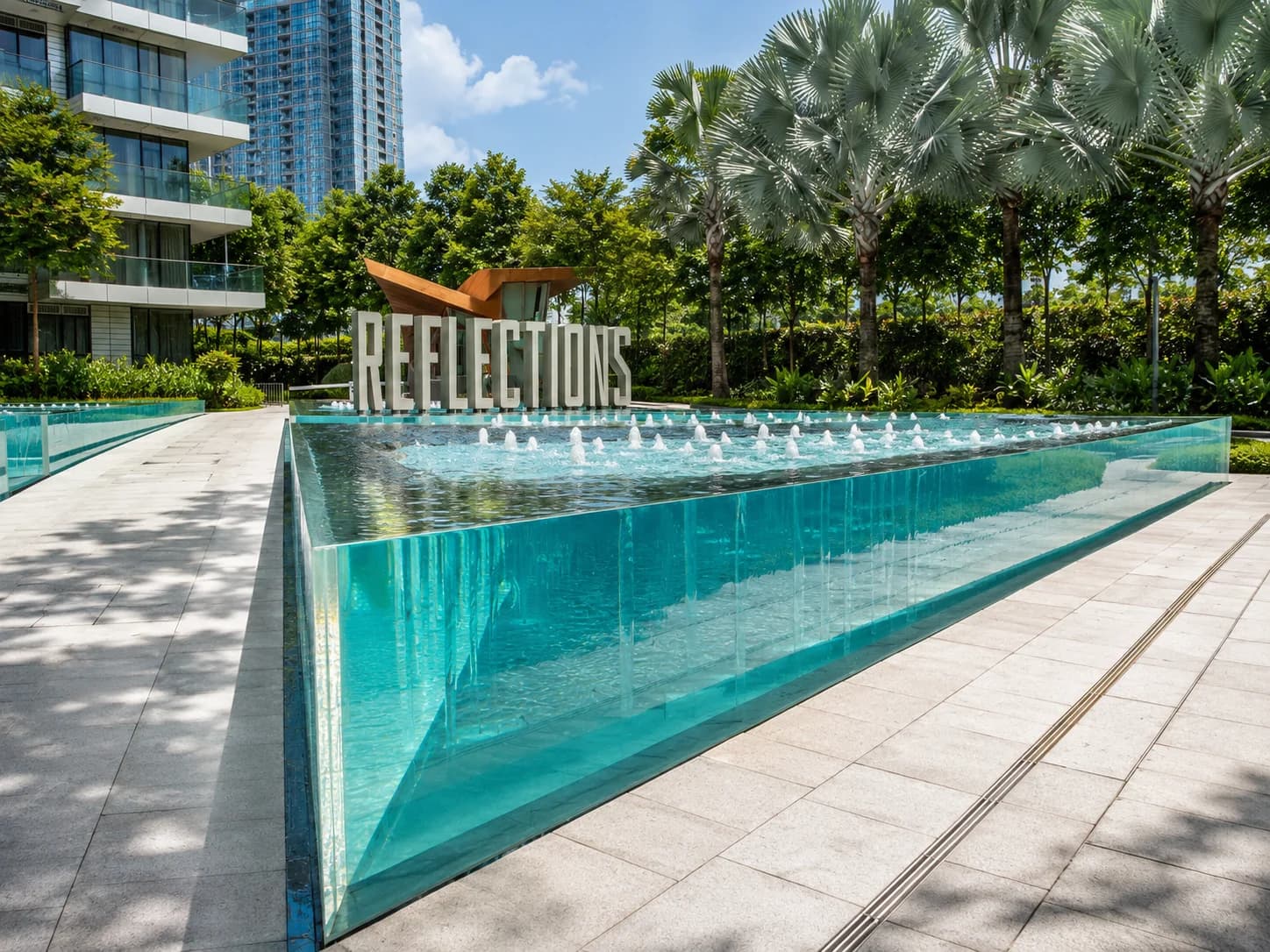
Reflections at Keppel Bay
Acrylic panel works for the water feature at Reflections at Keppel Bay — a landmark waterfront residential development by Daniel Libeskind.
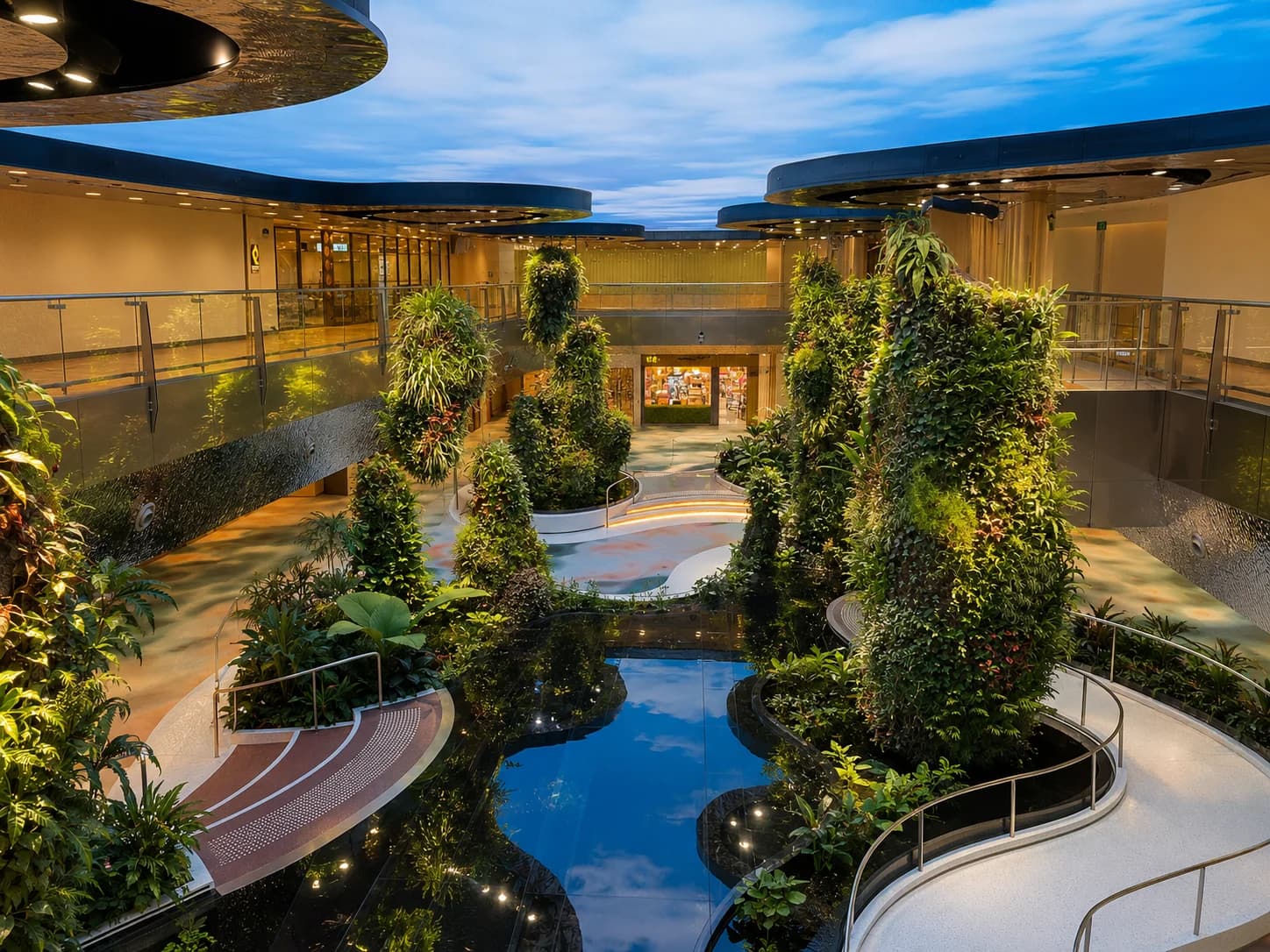
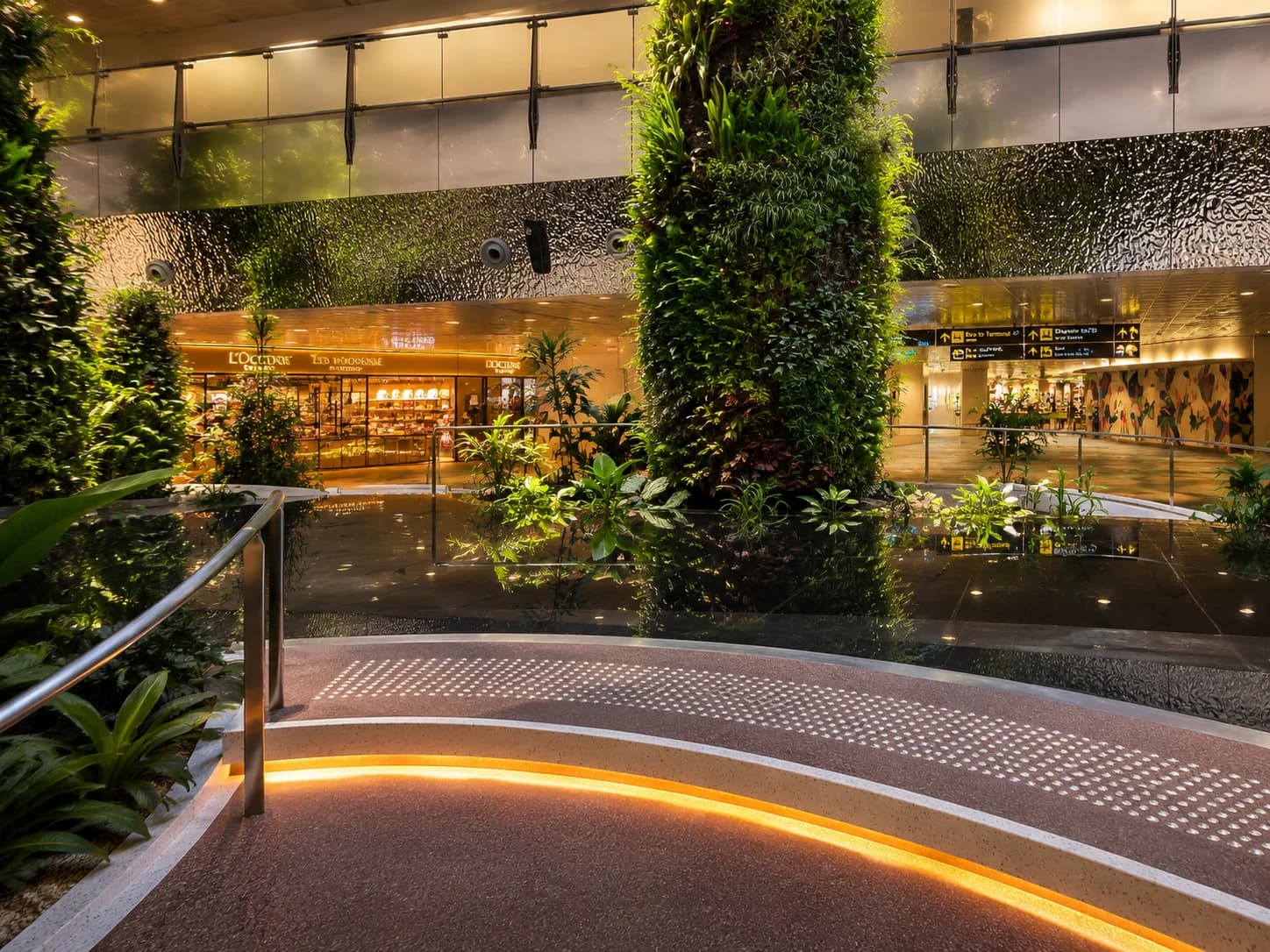
Changi Airport Terminal 2 — Transit Hall Dreamscape
Worldbizz supplied, fabricated, delivered and installed the acrylic panels for the Transit Hall Dreamscape water feature at Changi Airport Terminal 2, including the full-standing acrylic platform.
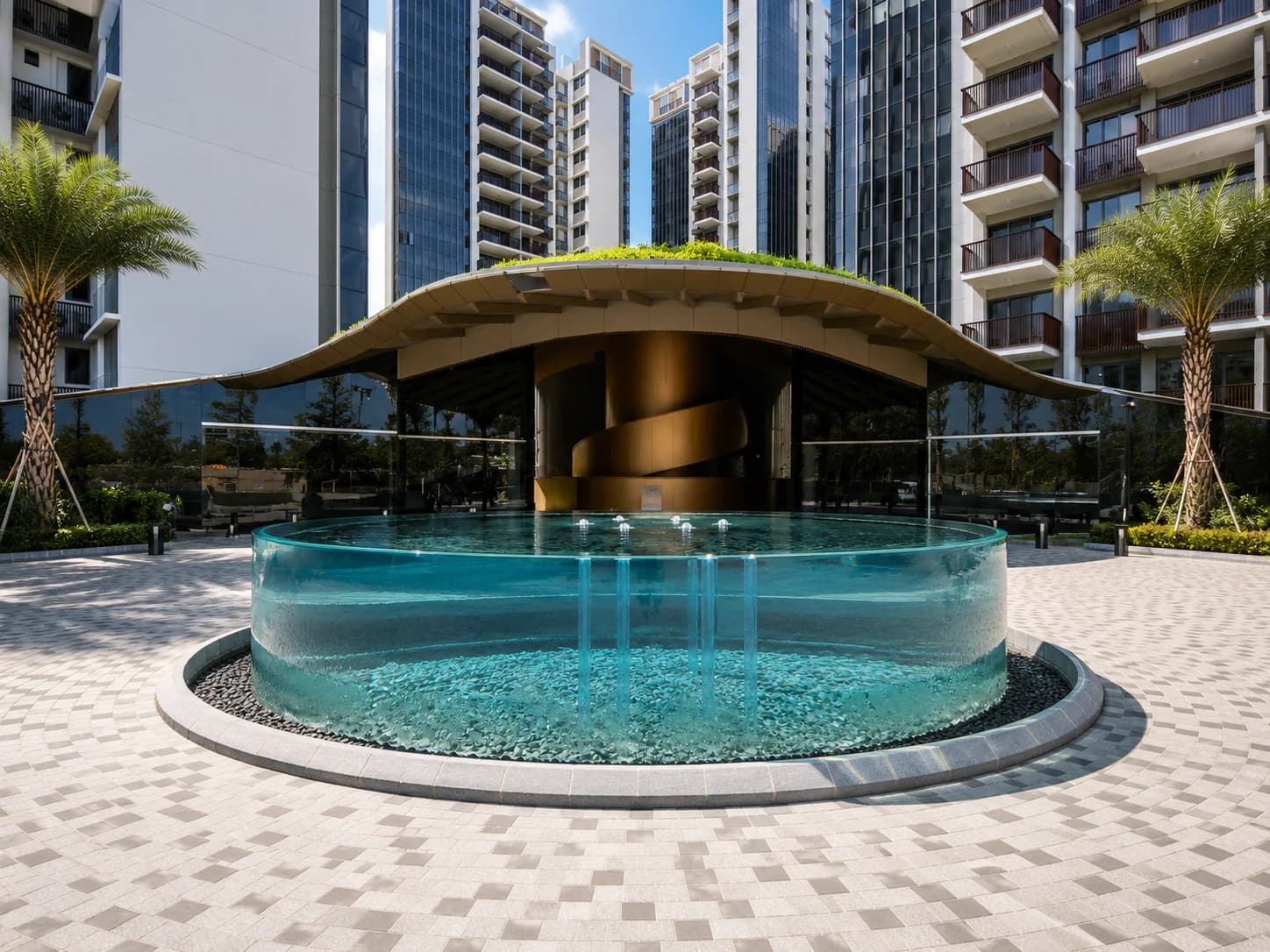
Lakeville
Acrylic panel supply and installation for the water feature at Lakeville condominium.
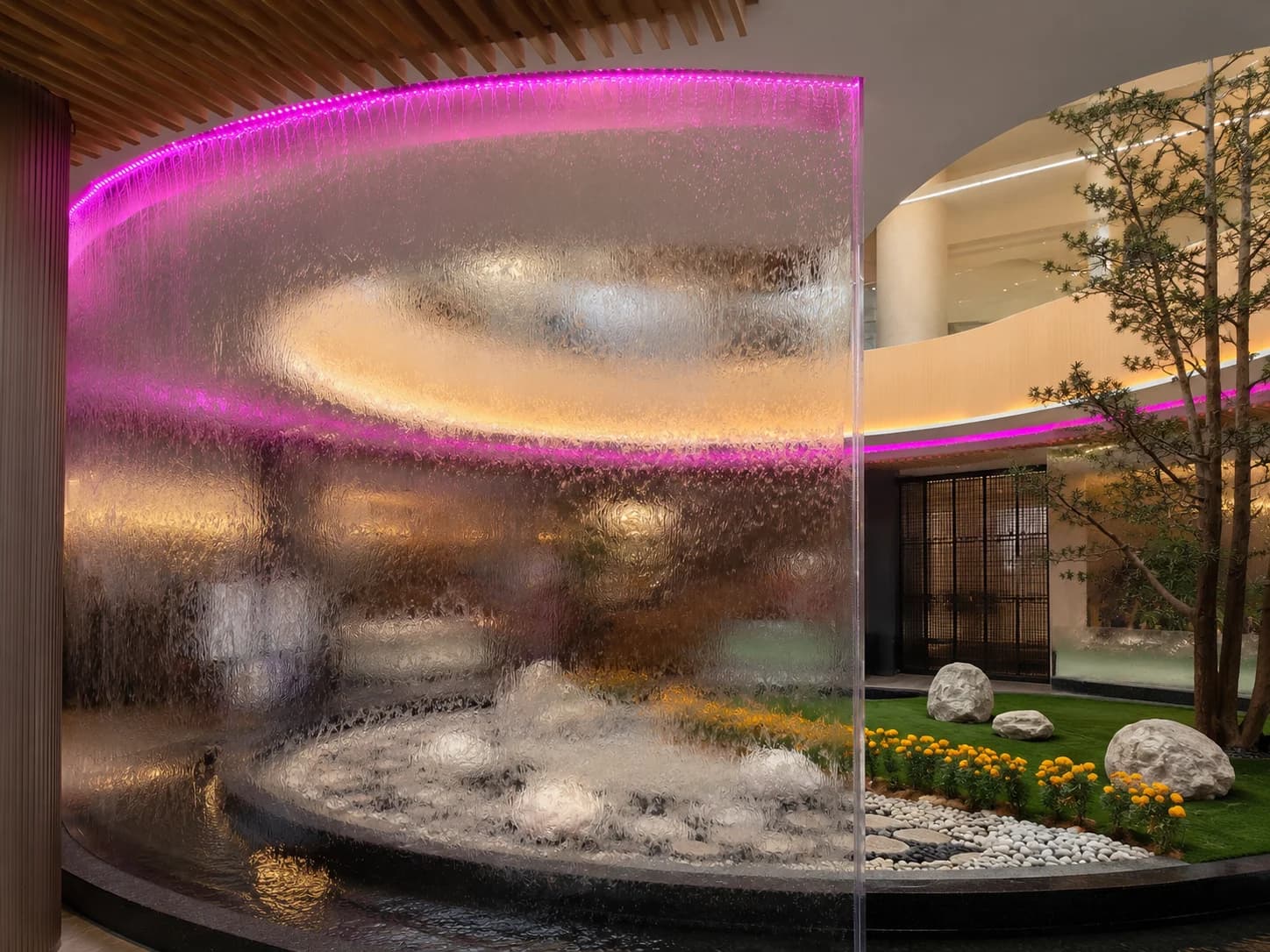
Antara Genting Showflat
Acrylic panel installation for the water feature at Genting Courtyard, Malaysia.
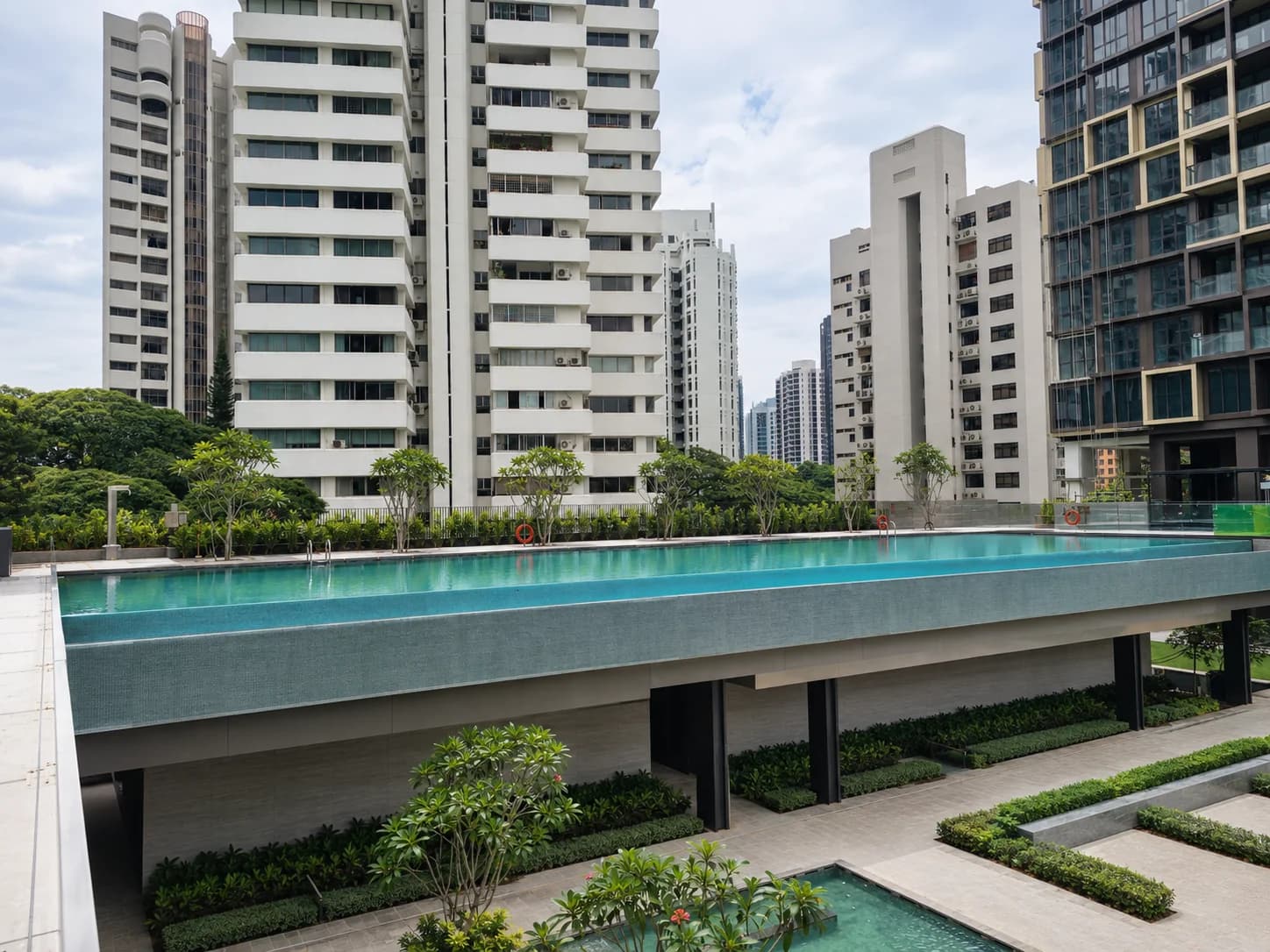
Irwell Hill Residences
PMMA acrylic panel supply and installation for the swimming pool at Irwell Hill Residences.
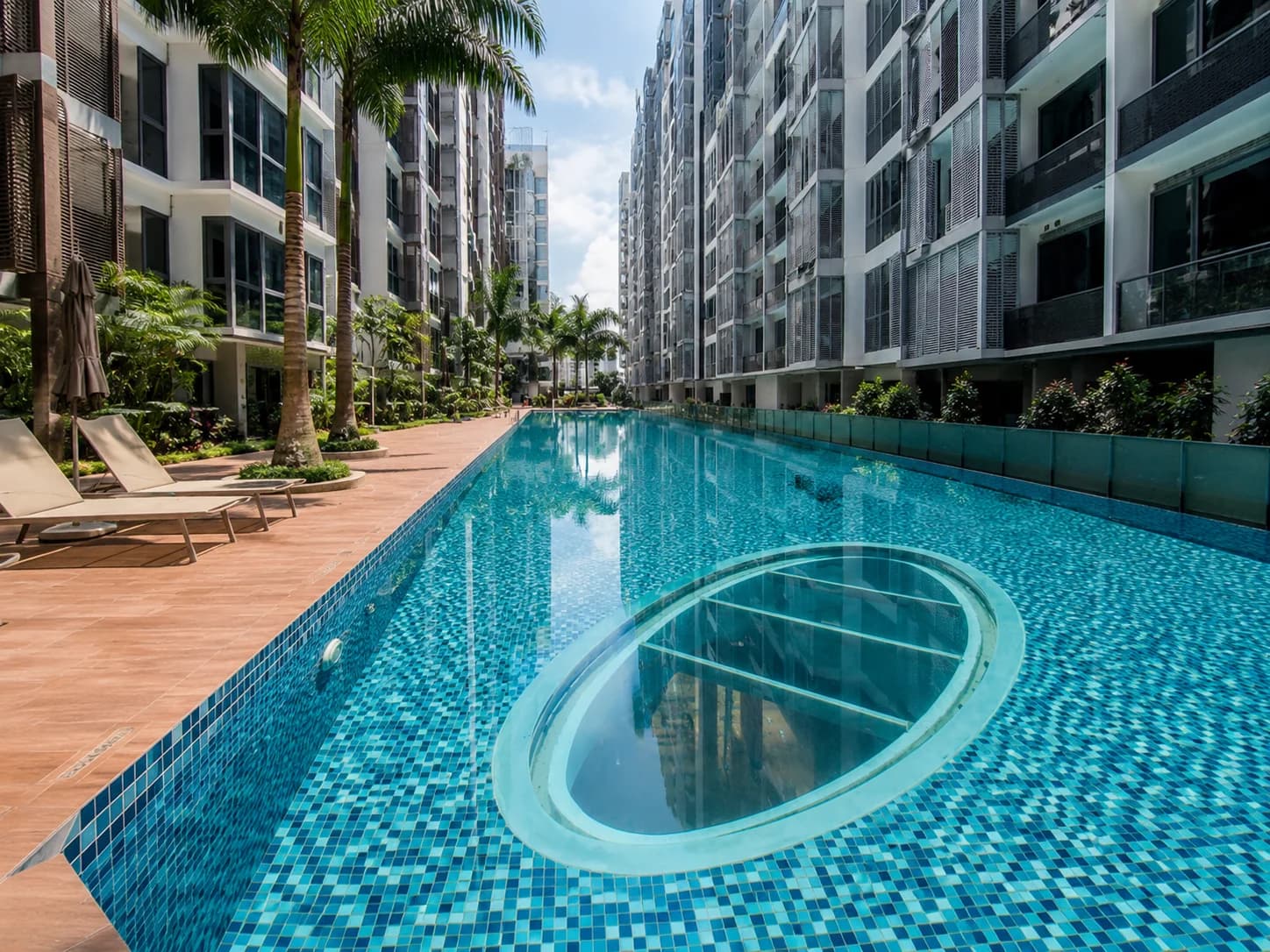
Punggol WaterTown
Acrylic swimming pool panel supply and installation for Punggol WaterTown.
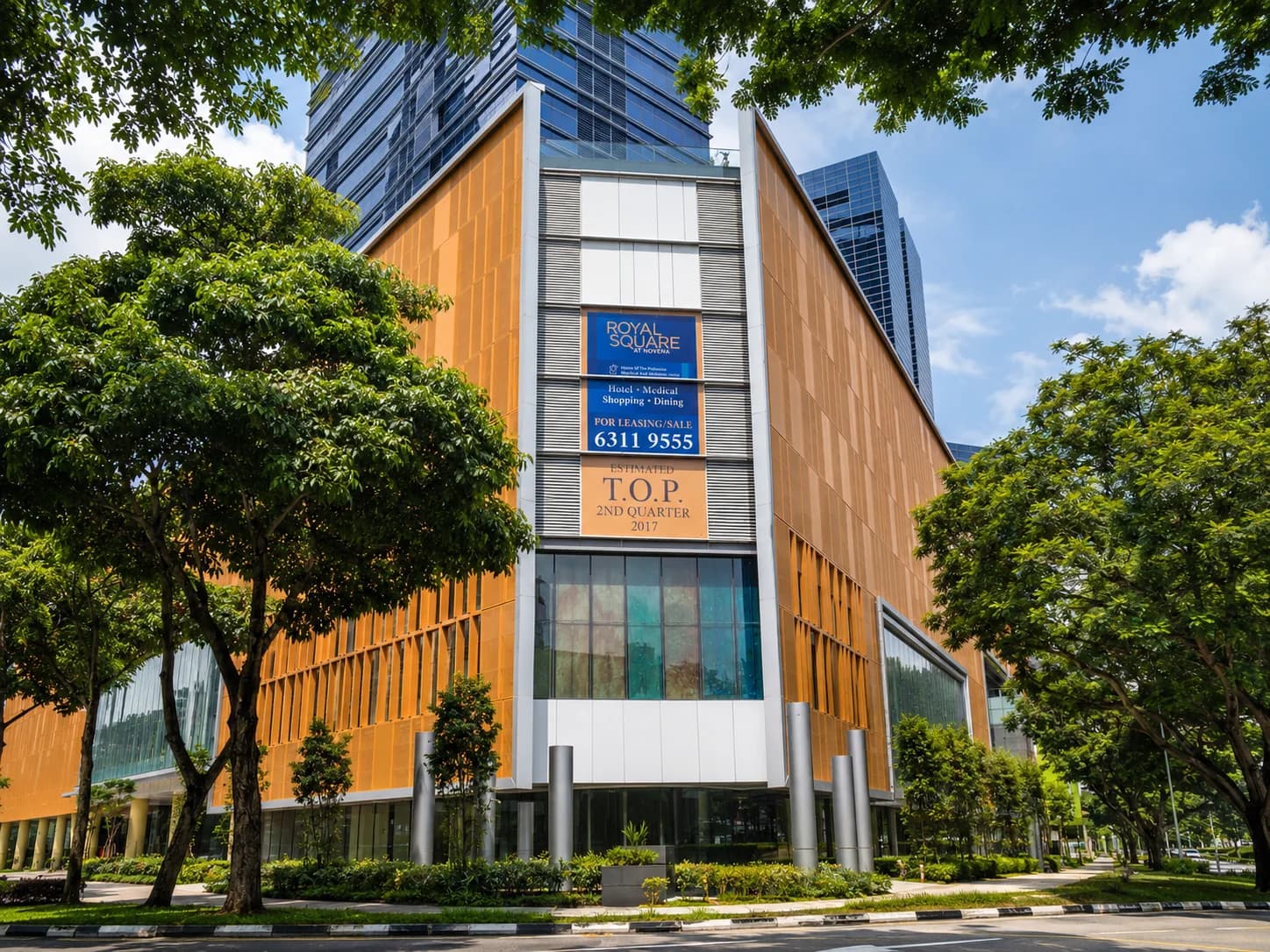
Royal Square
High-rise acrylic swimming pool installation at Royal Square.
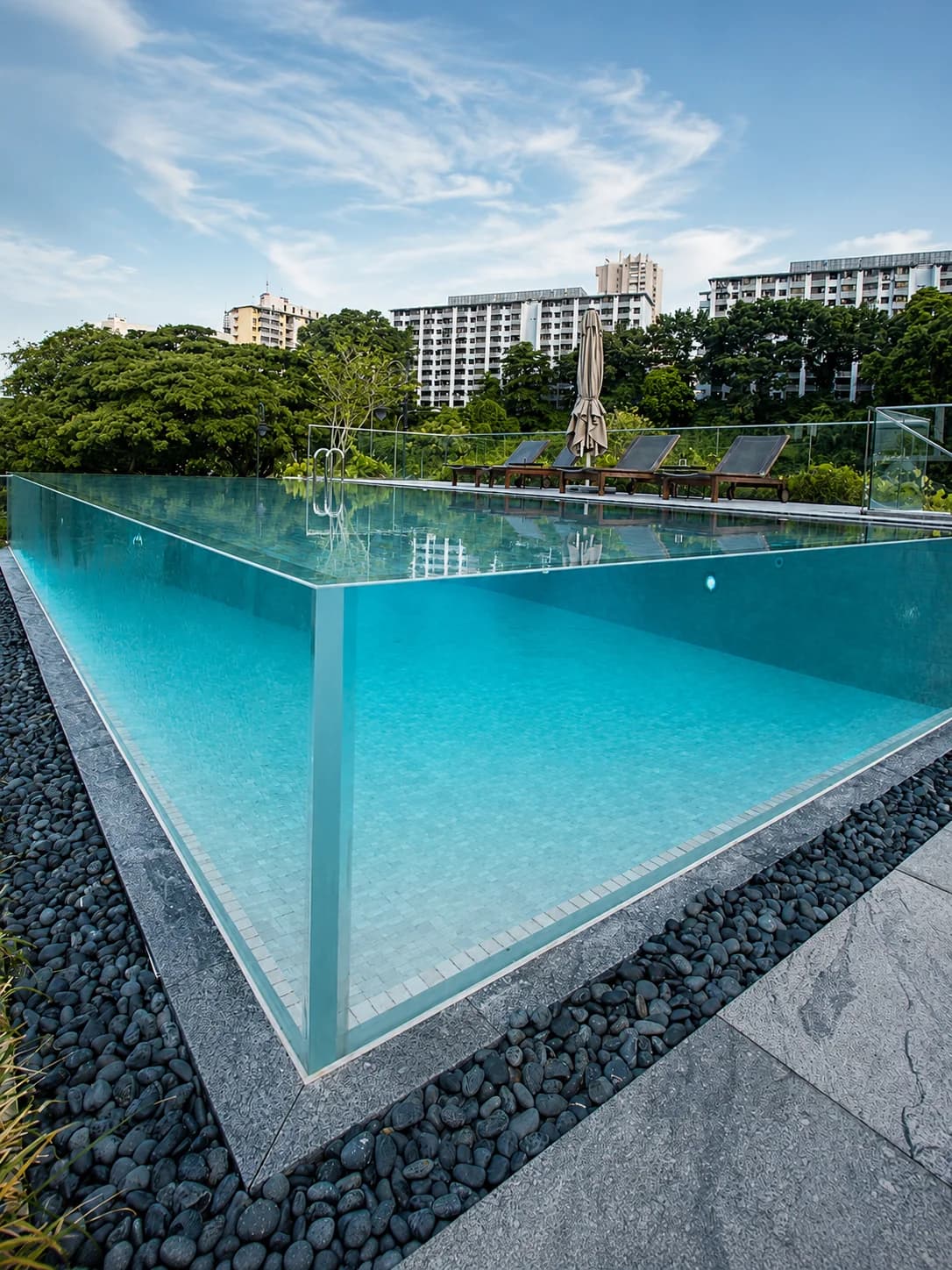
The Warehouse Hotel
Acrylic panel works for The Warehouse Hotel at 320 Havelock Road.
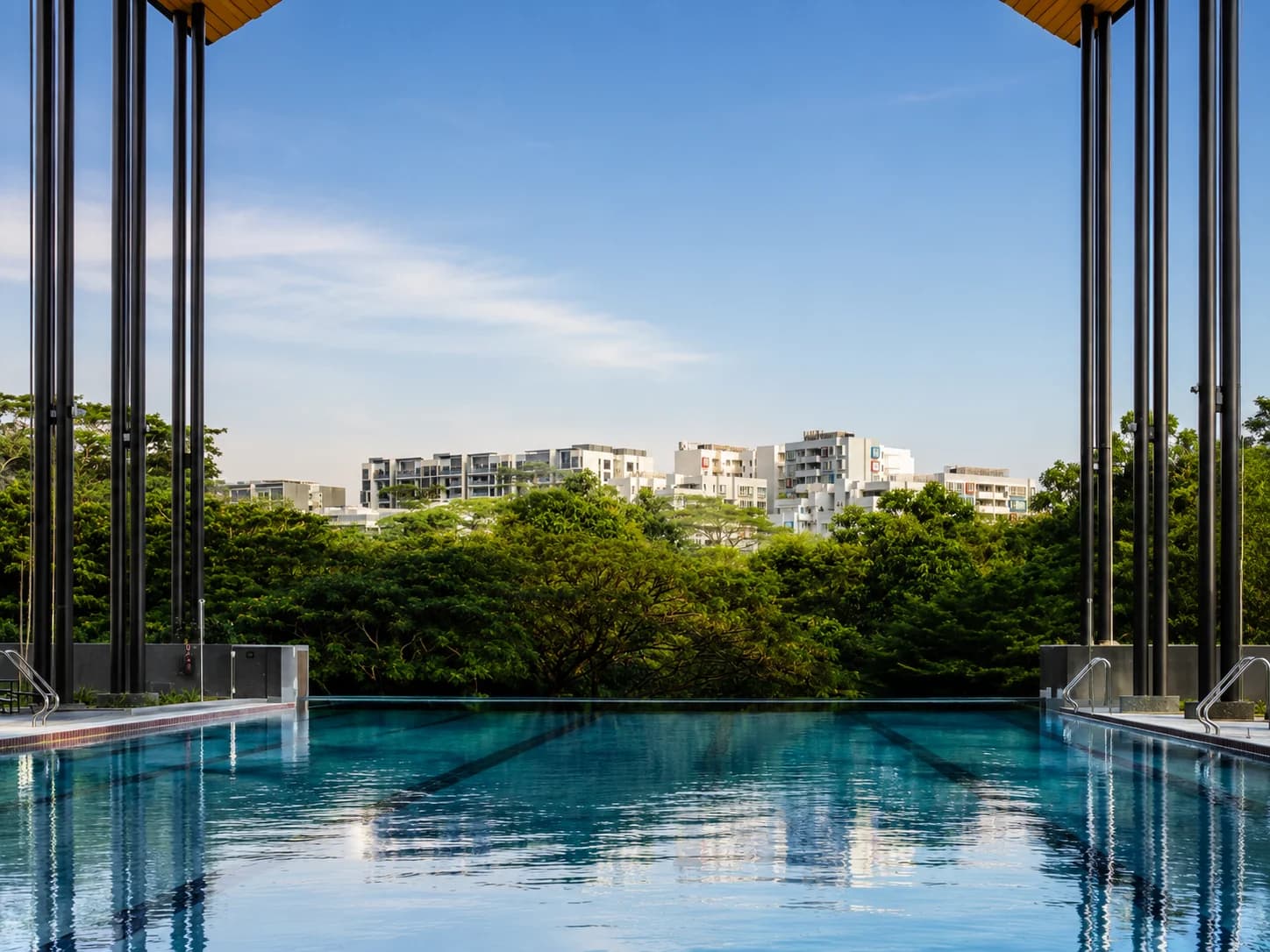
SAFRA @ CCK
Supply and installation of acrylic swimming pool panels for SAFRA Choa Chu Kang.
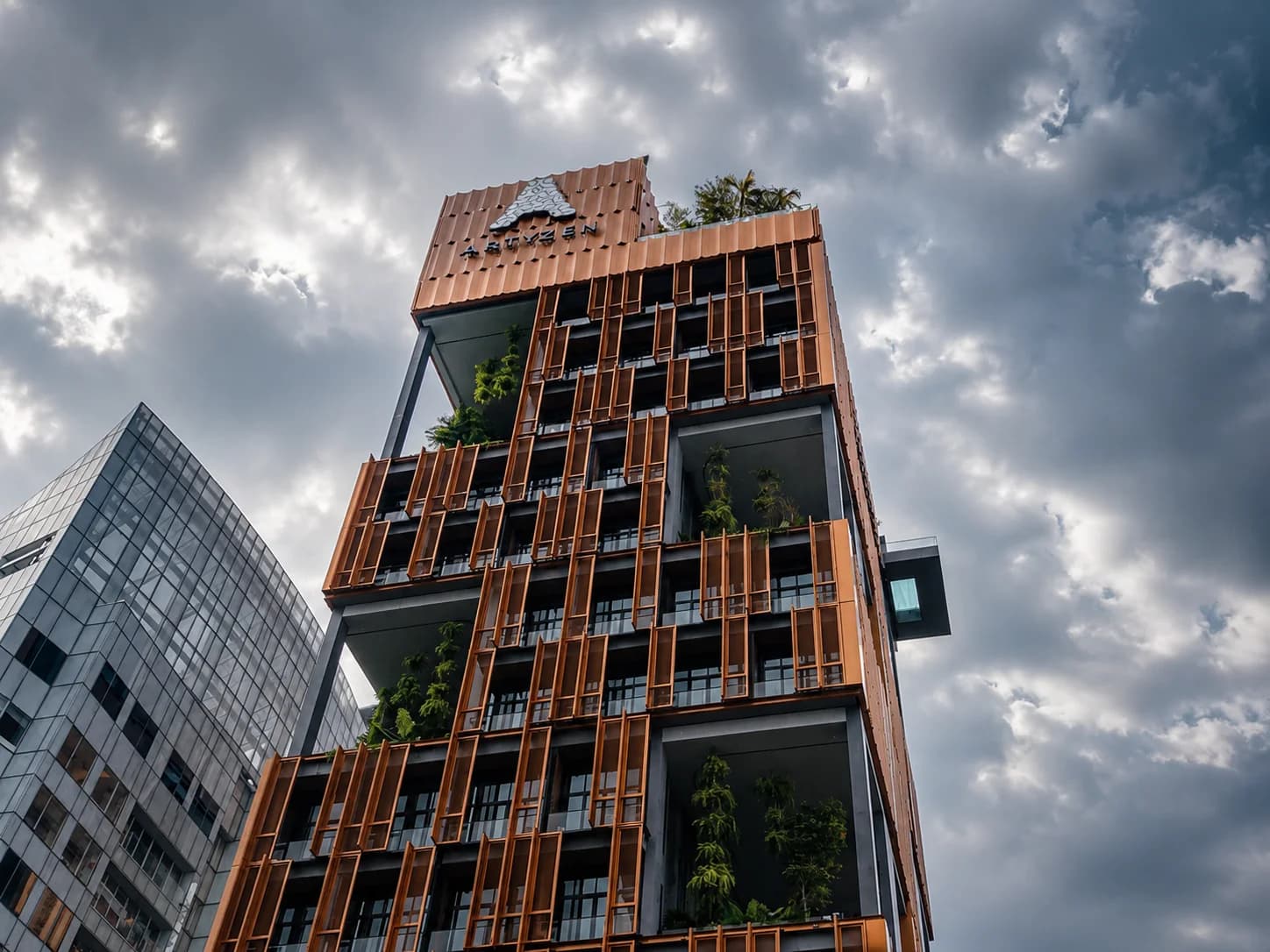
Artyzen Hotel
Worldbizz supplied and installed the PMMA acrylic swimming pool panel for the Artyzen Hotel.
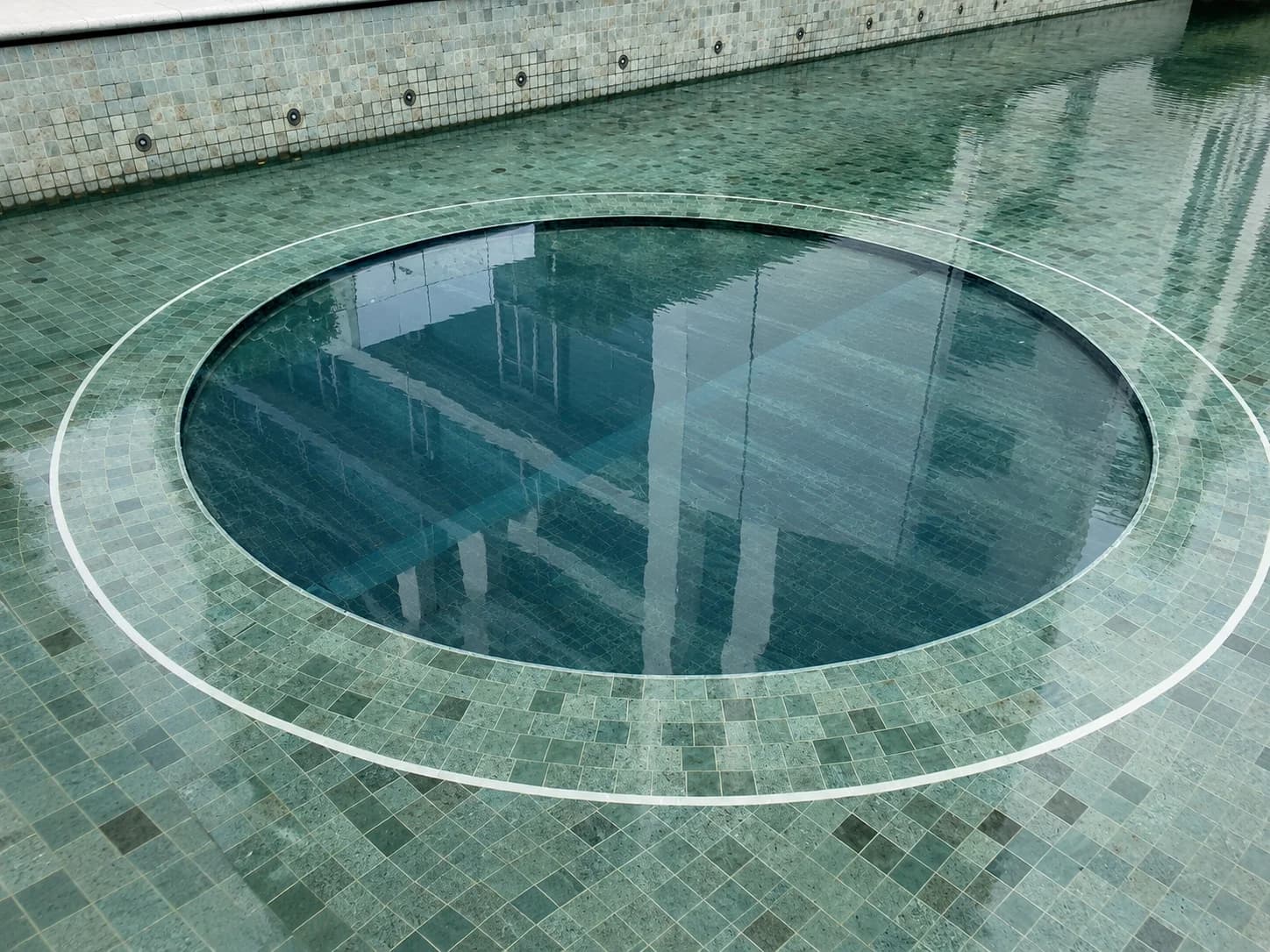
Boulevard 88
Acrylic swimming pool panel works for the prestigious Boulevard 88 development.
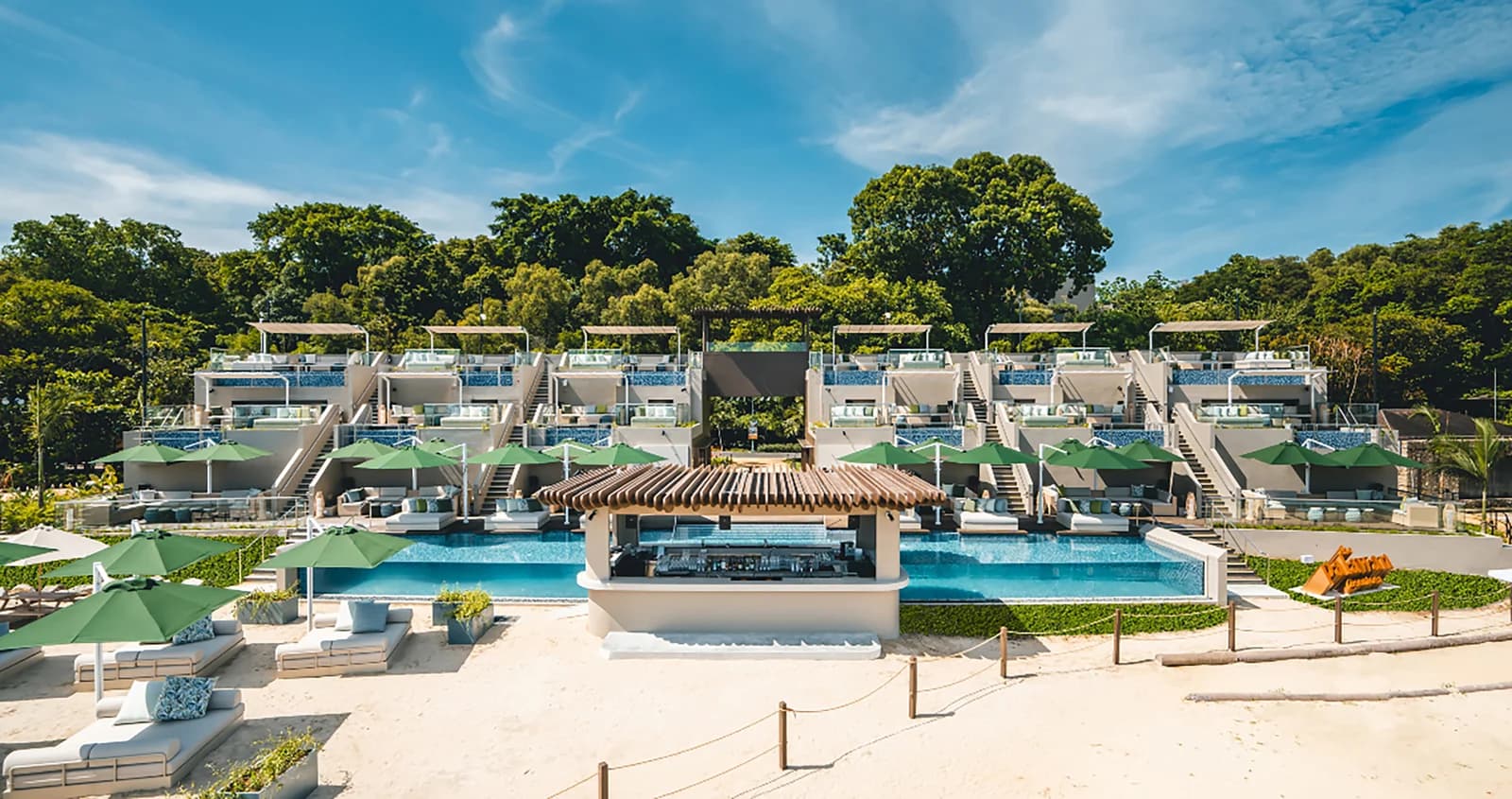
The Palawan@Sentosa
Acrylic pool panel supply and installation for The Palawan@Sentosa water attraction.
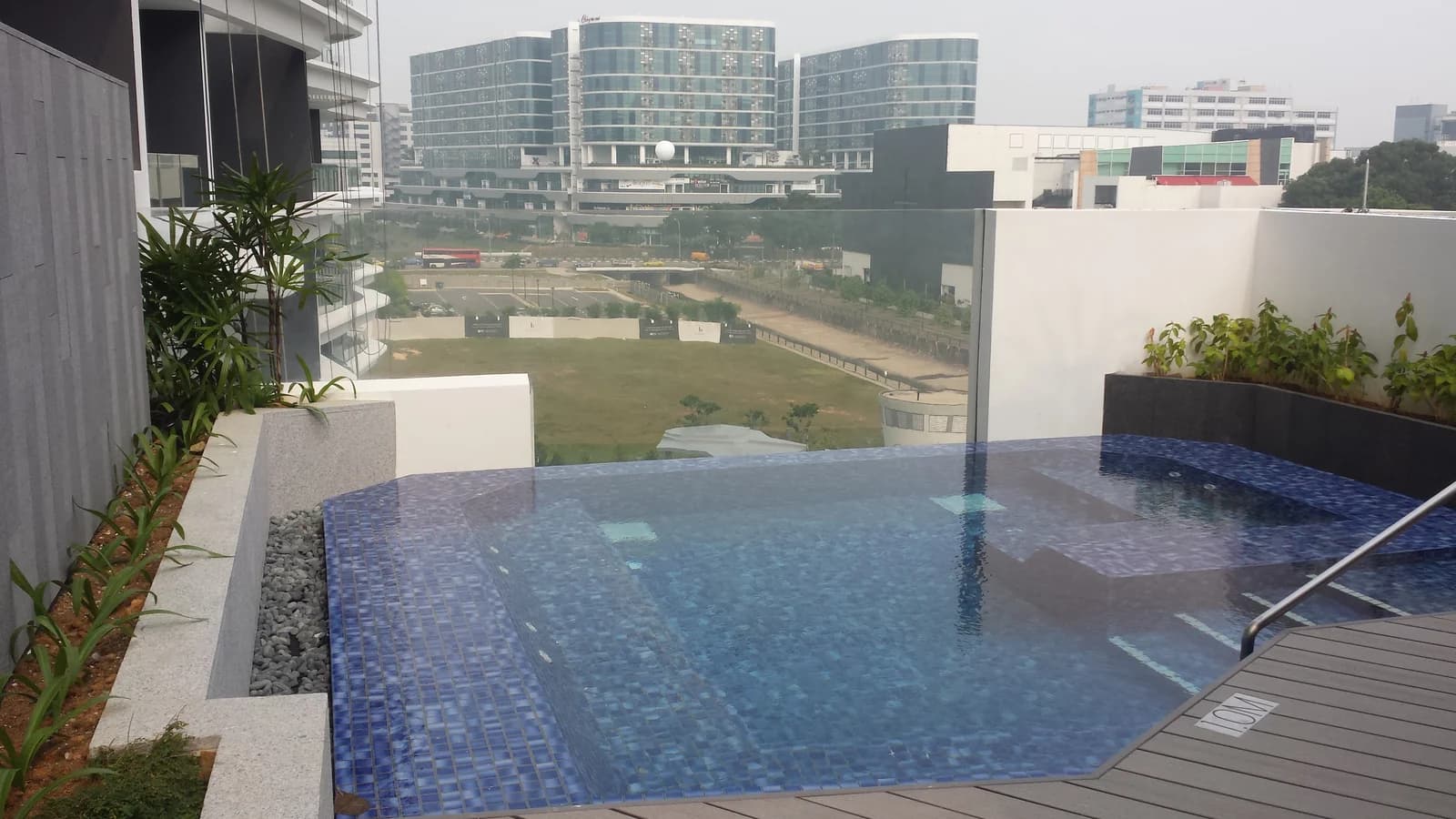
Sky Green
Acrylic swimming pool panel works for Sky Green condominium.
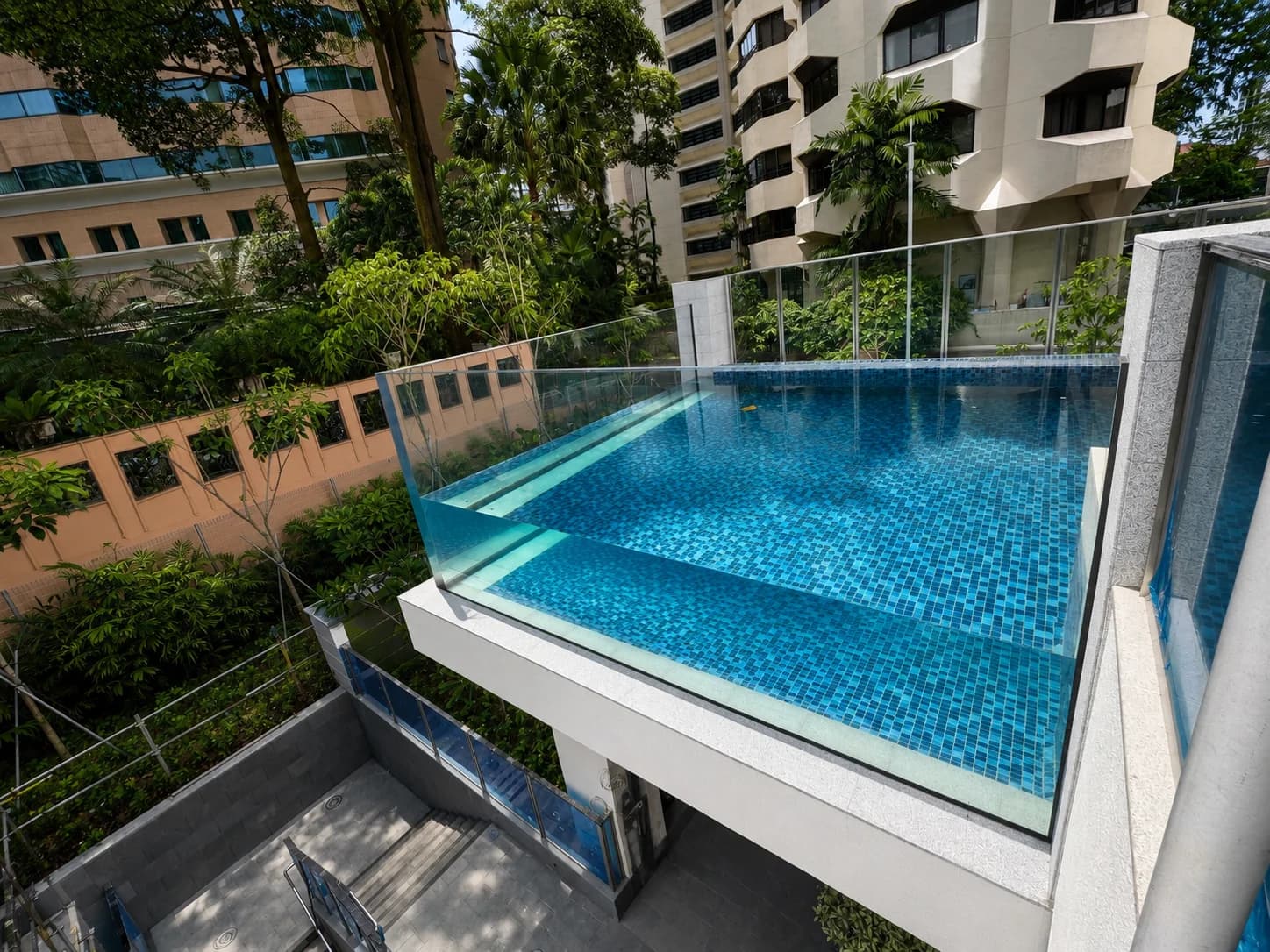
Klimt Cairnhill
Luxury residential pool panels
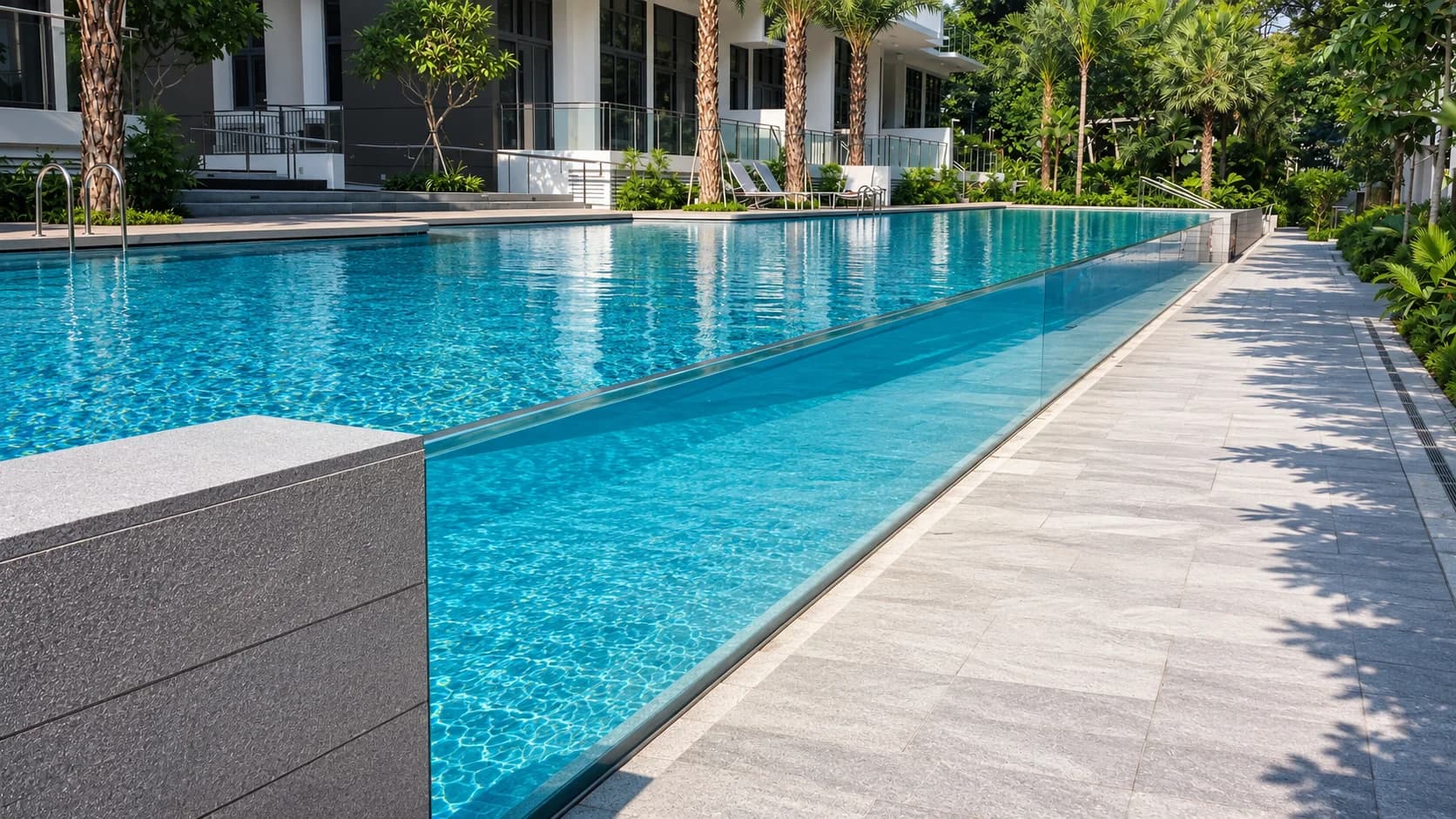
Foresta
PMMA acrylic swimming pool panel supply and installation for Foresta.
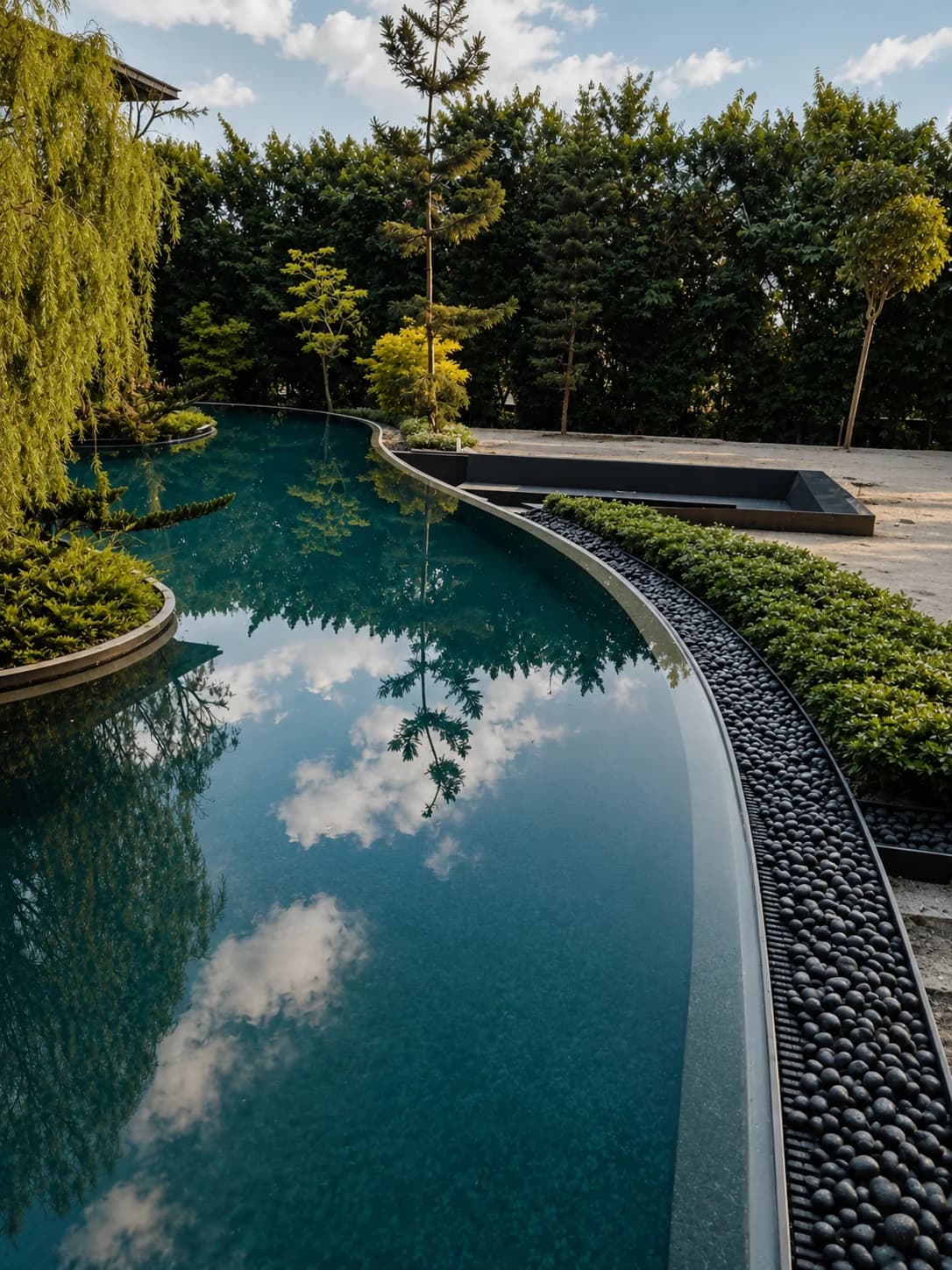
House off Woollerton Park
PMMA acrylic swimming pool panel supply and installation for a private residence.
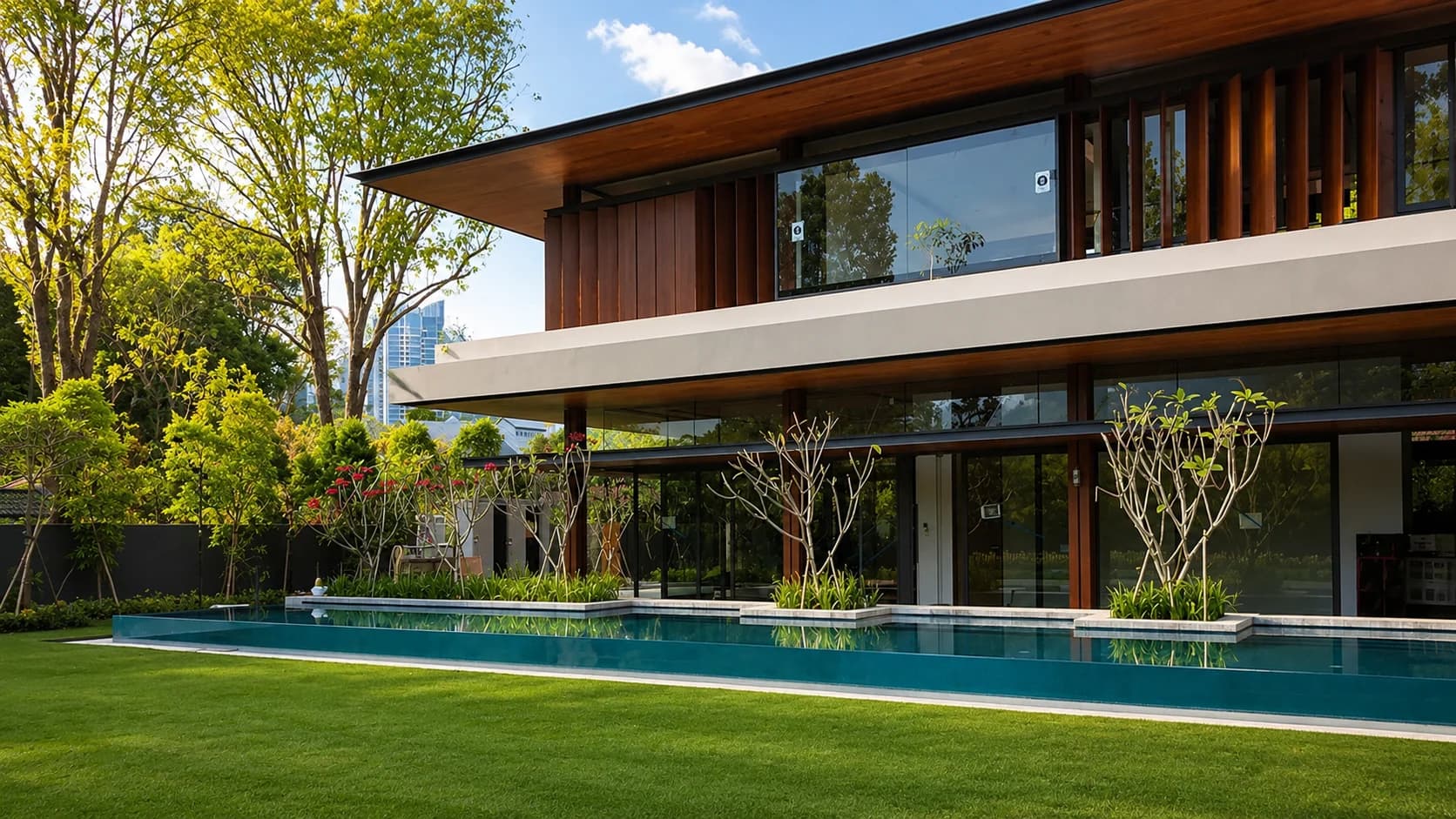
House off Chancery Lane
PMMA acrylic swimming pool panel supply and installation for a private residence.
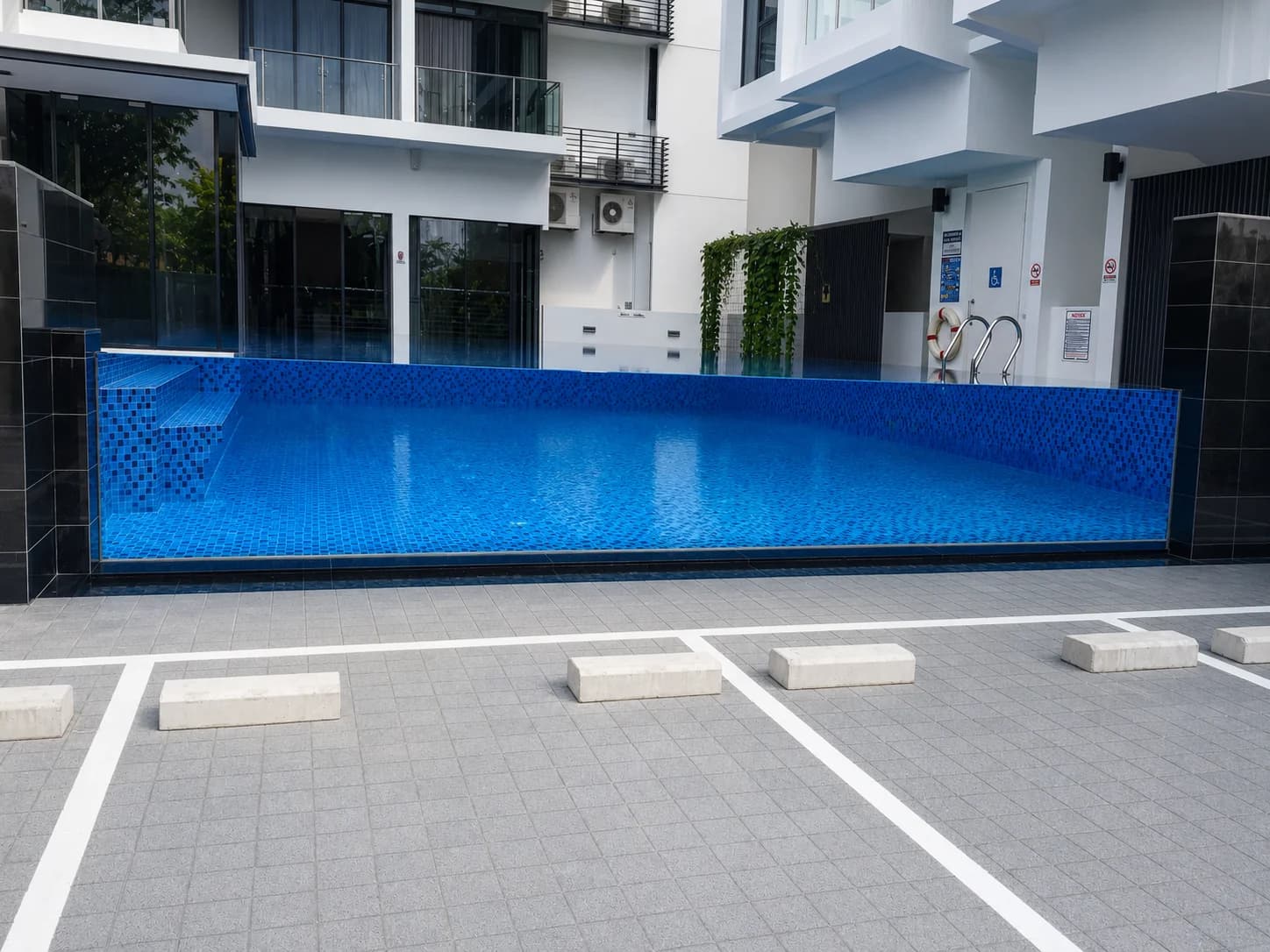
House off Telok Kurau
PMMA acrylic swimming pool panel supply and installation for a private residence.
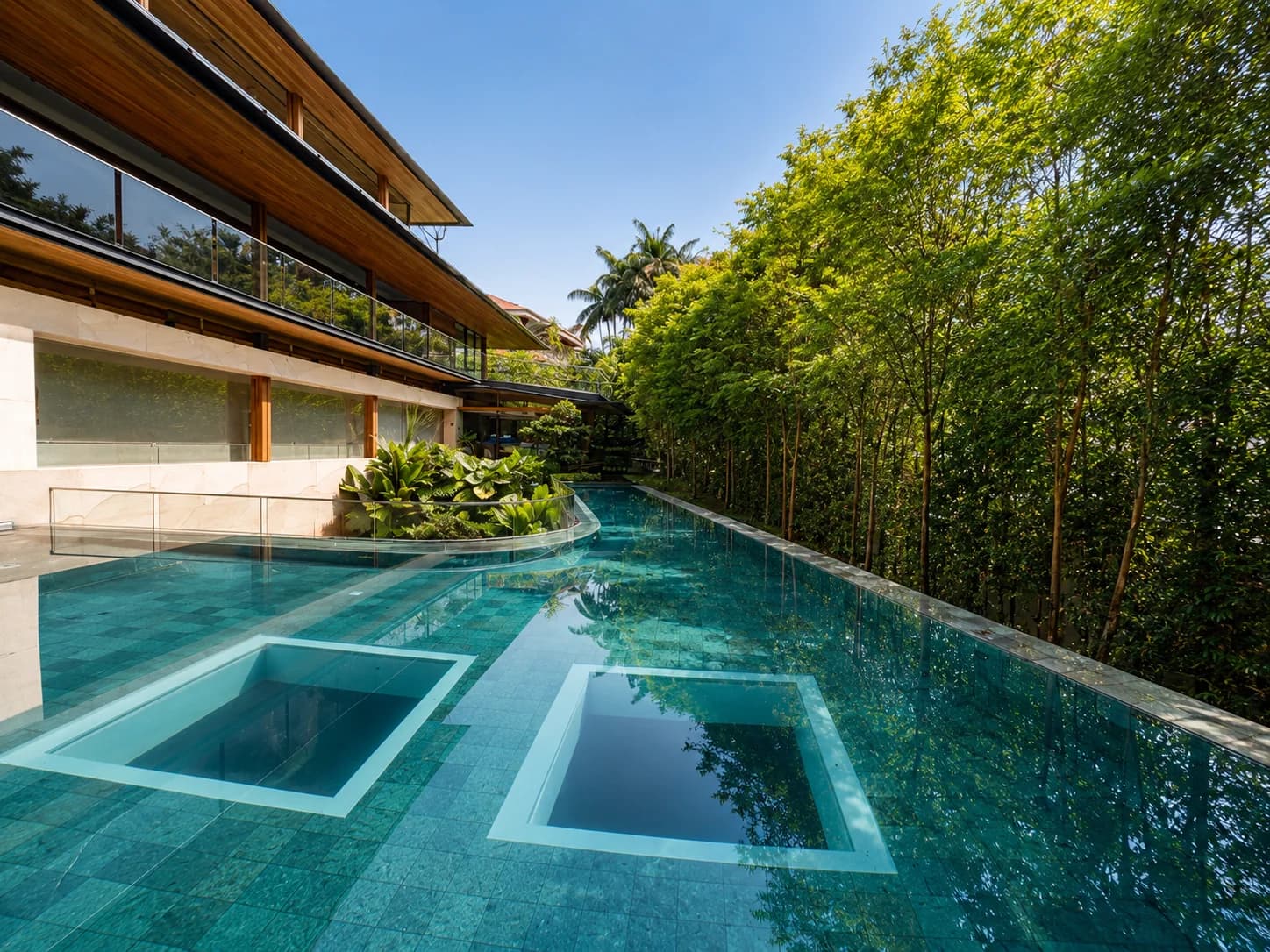
House off Cluny Road
Worldbizz supplied and installed the PMMA acrylic swimming pool panel for this private residence.
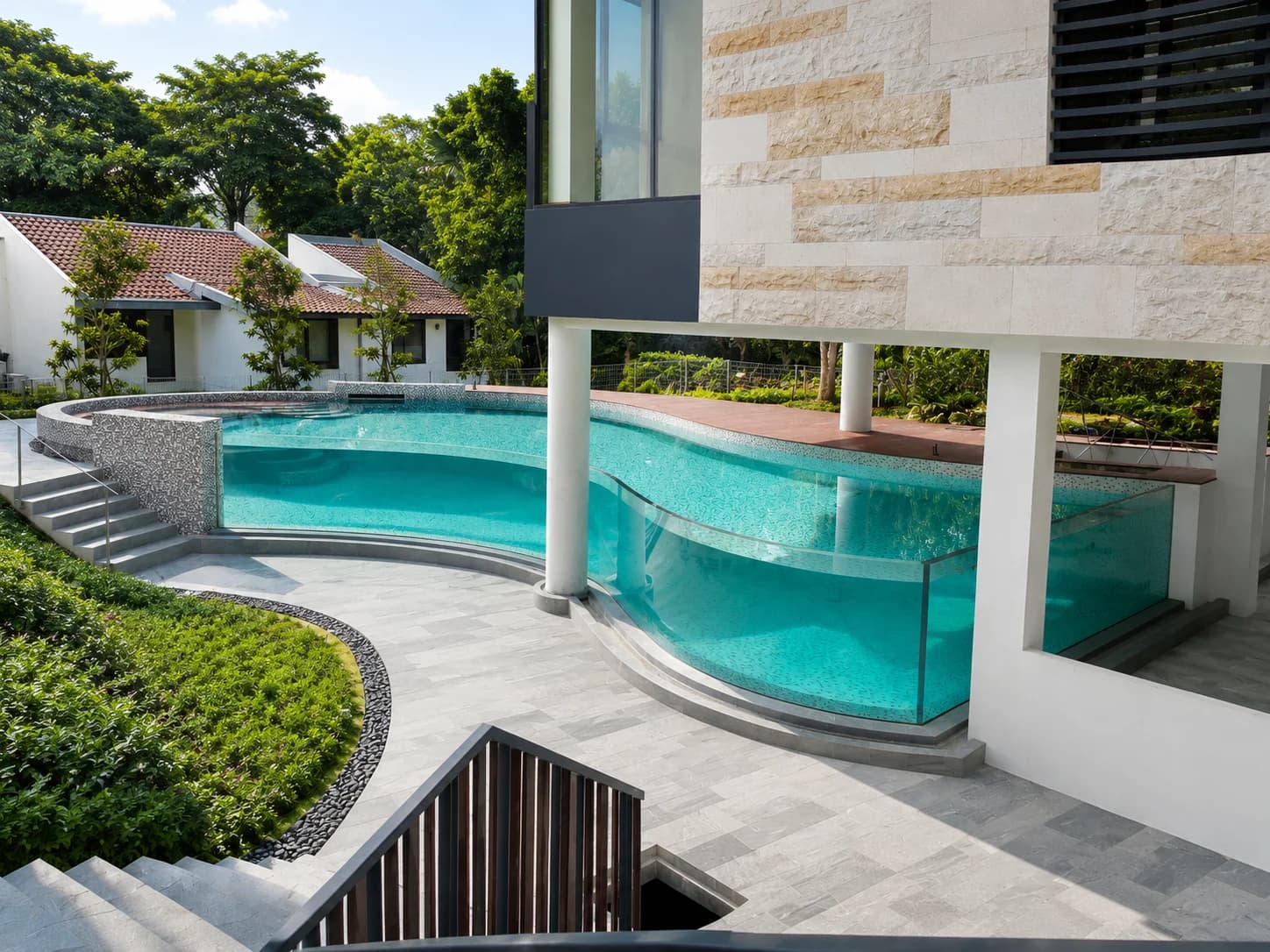
House off Ewart Park
Worldbizz supplied and installed the PMMA acrylic swimming pool panel for this private bungalow.
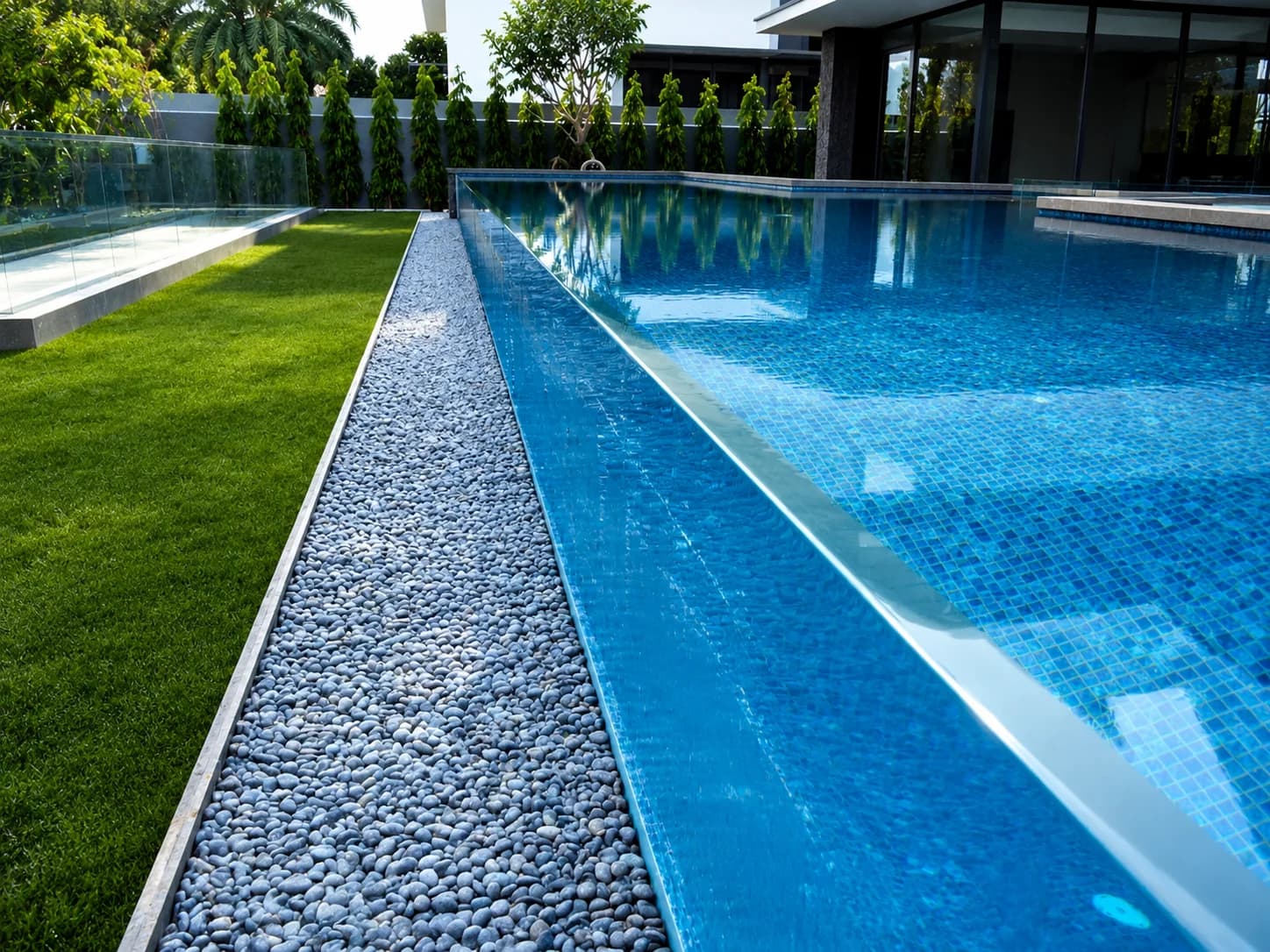
House off Sundridge Park Road
Acrylic swimming pool panel installation for a private bungalow.
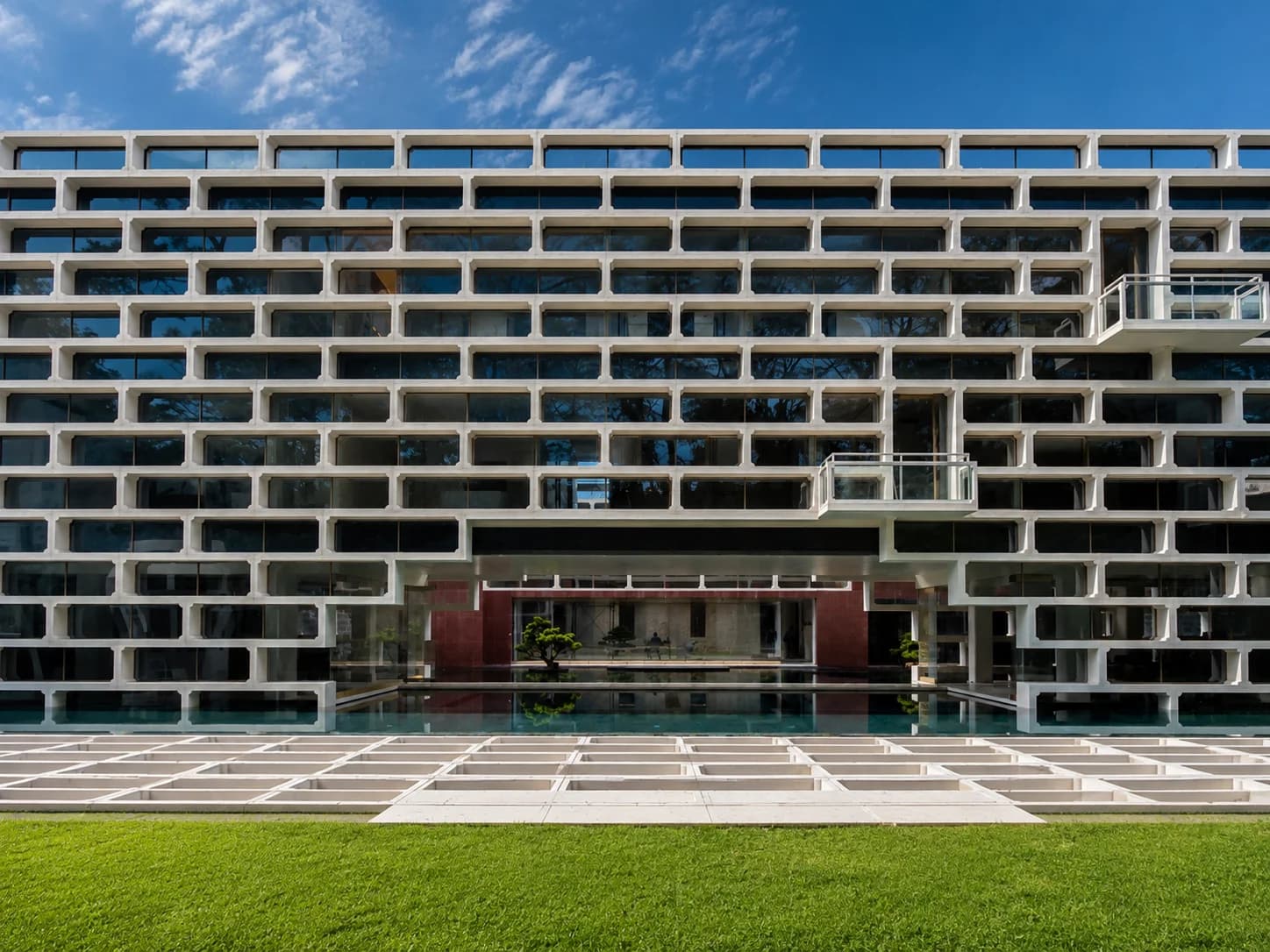
House off King Albert Park
Worldbizz supplied and installed the PMMA acrylic swimming pool panel for this award-winning bungalow.
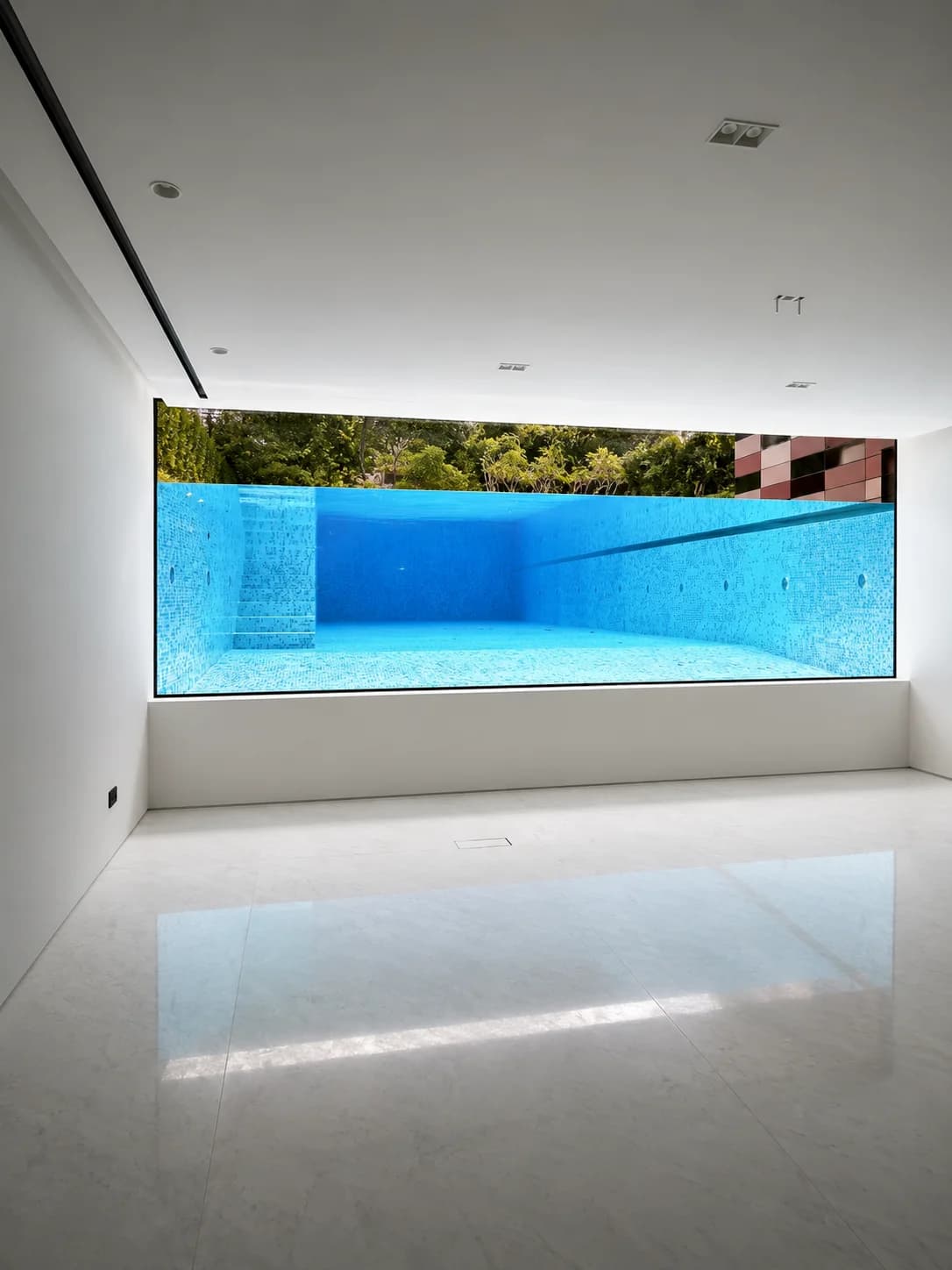
House off Bishopsgate
Acrylic swimming pool panel installation for a private bungalow.
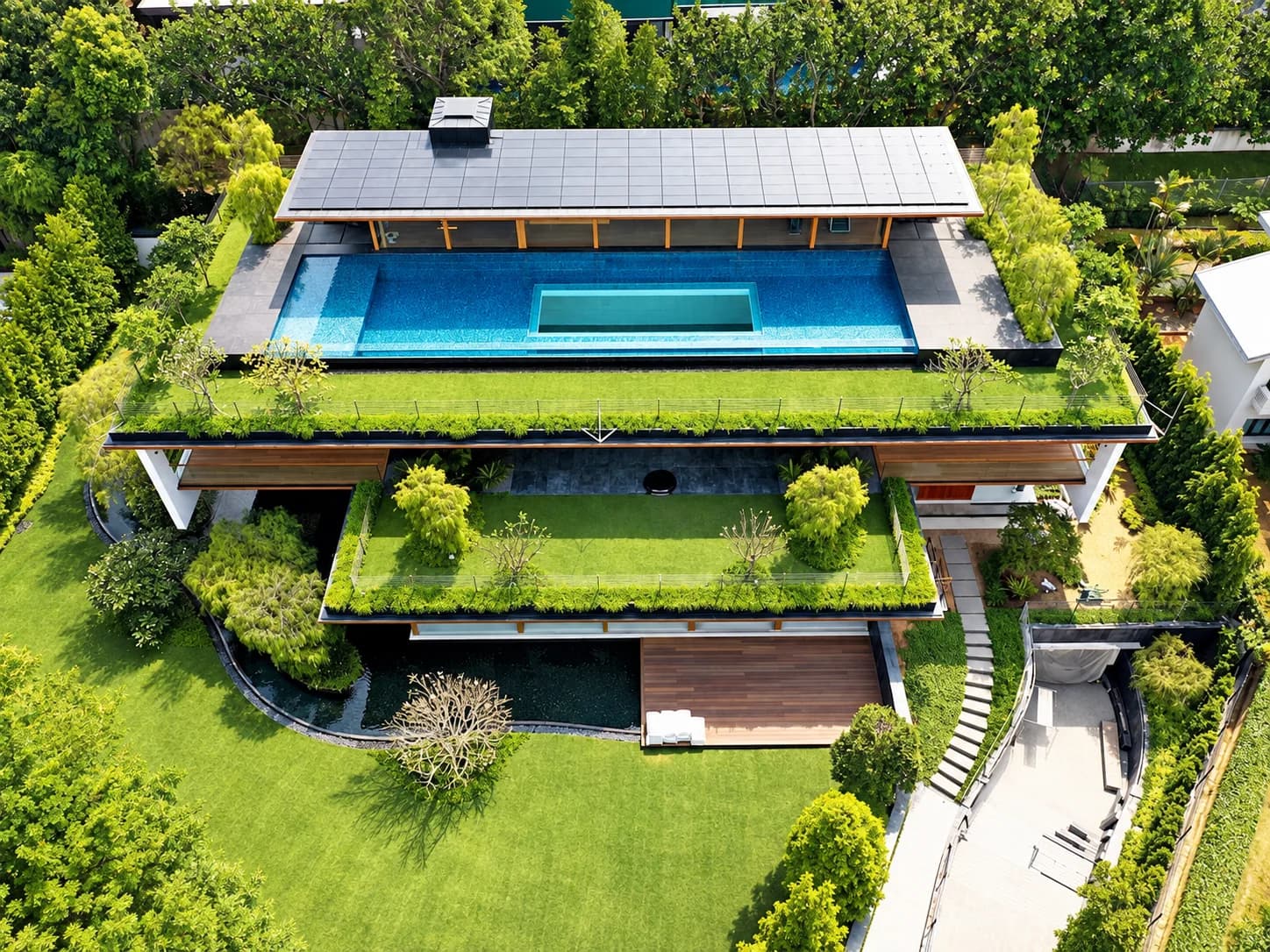
House off Bishopsgate
Worldbizz supplied and installed the acrylic pool feature for this four-storey house, whose layered volumes are broken down into human-scale spaces opening onto gardens and greenery at every level. The house was awarded Gold at the LIAS Awards of Excellence.
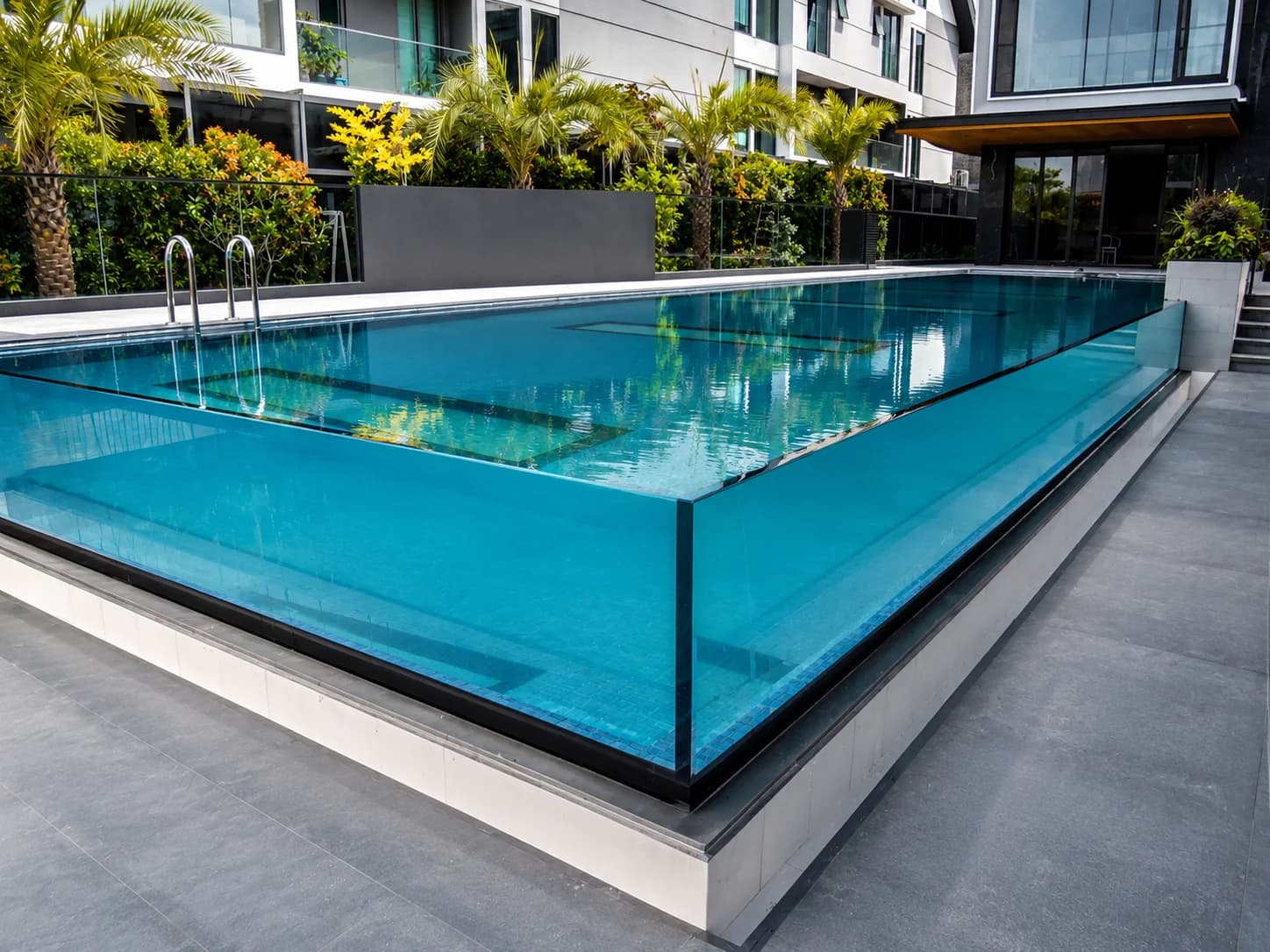
House off Richard Avenue
PMMA acrylic swimming pool panel supply and installation for a private residence.
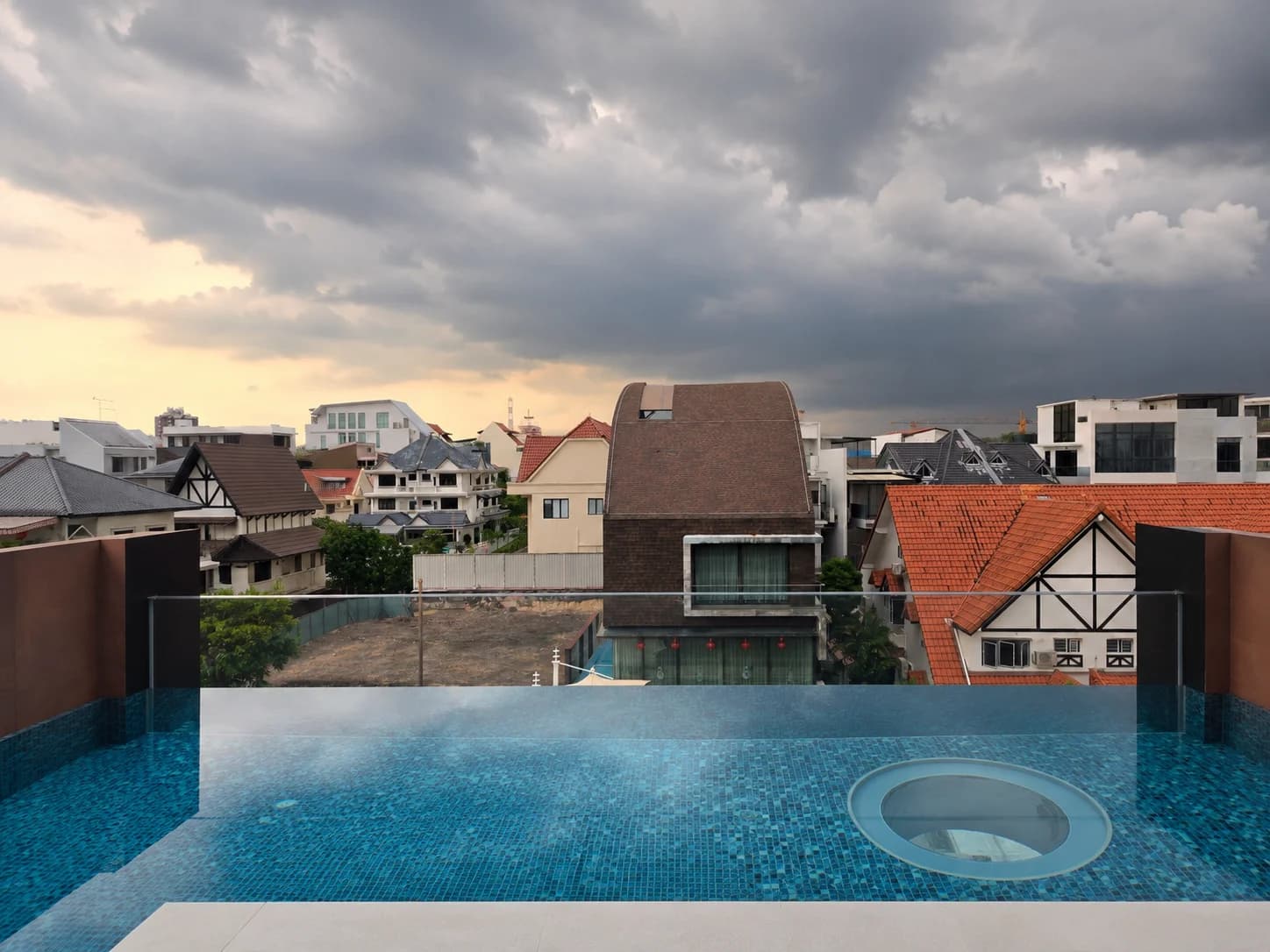
House off Sennett Road
Custom PMMA acrylic swimming pool panel installation for a private bungalow.
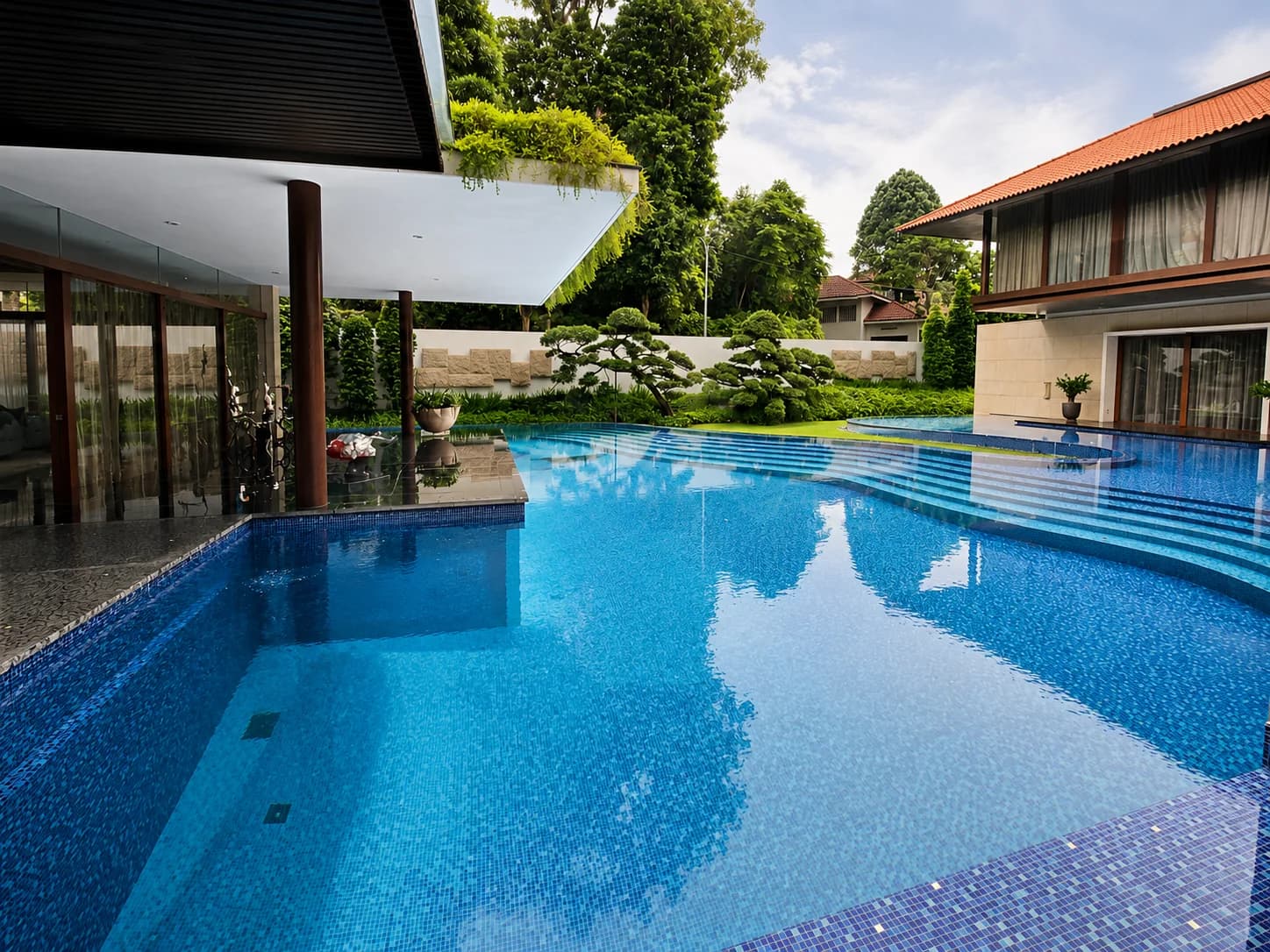
House off Cornwall Gardens
Worldbizz supplied and installed acrylic roofing panels for this private bungalow off Cornwall Gardens.
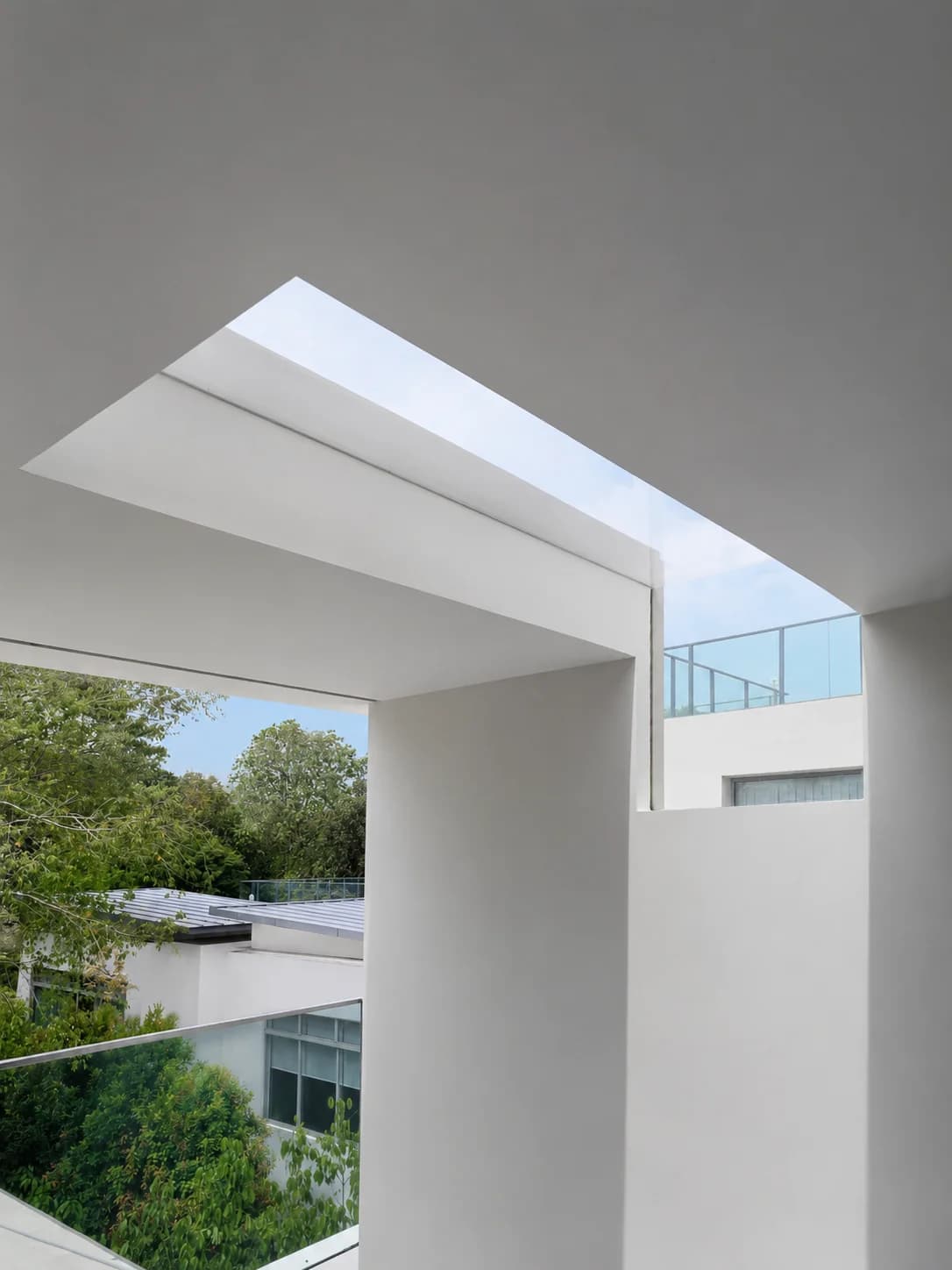
House off Cornwall Gardens
Worldbizz supplied and installed acrylic roofing panels for this private residence off Cornwall Gardens.
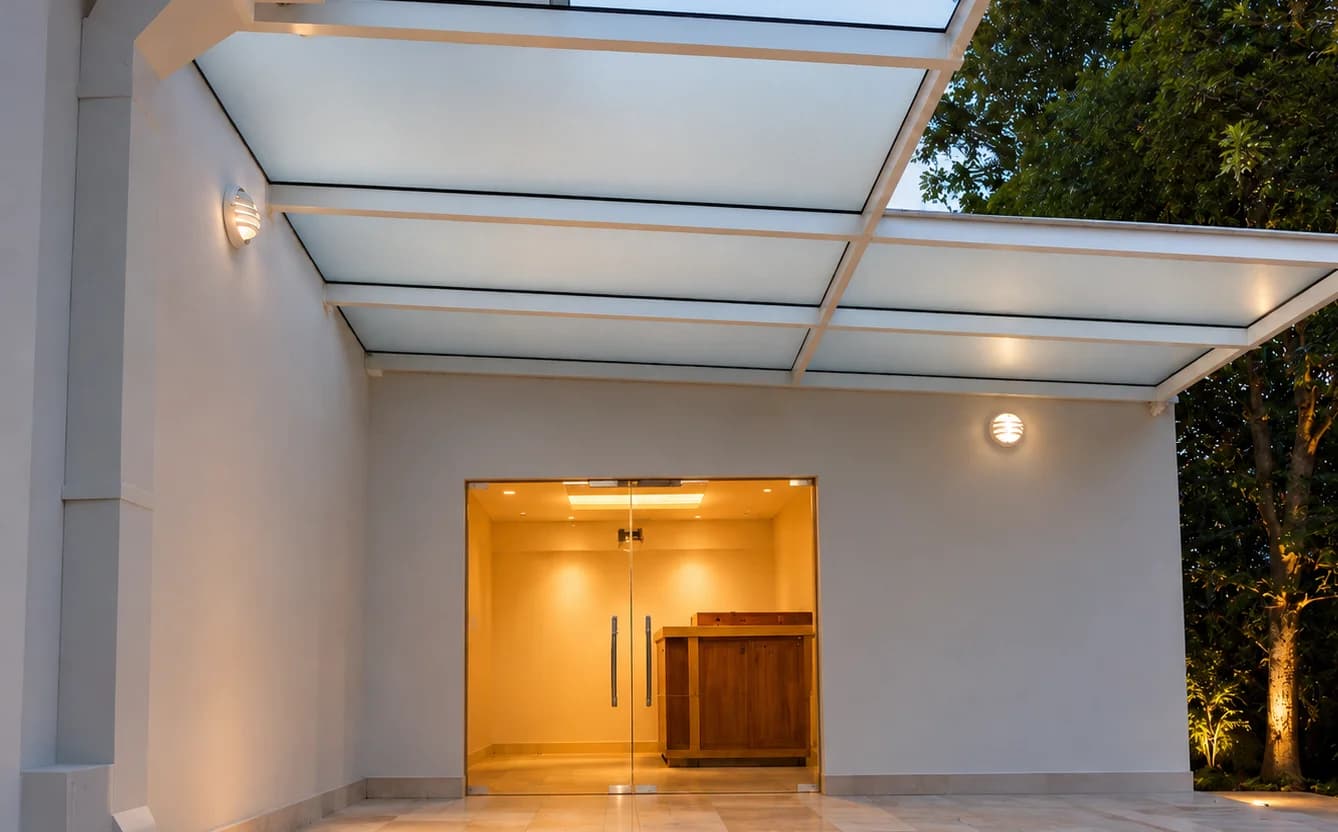
Building off Rifle Range Road
Worldbizz supplied and installed frosted acrylic roofing panels for this building.
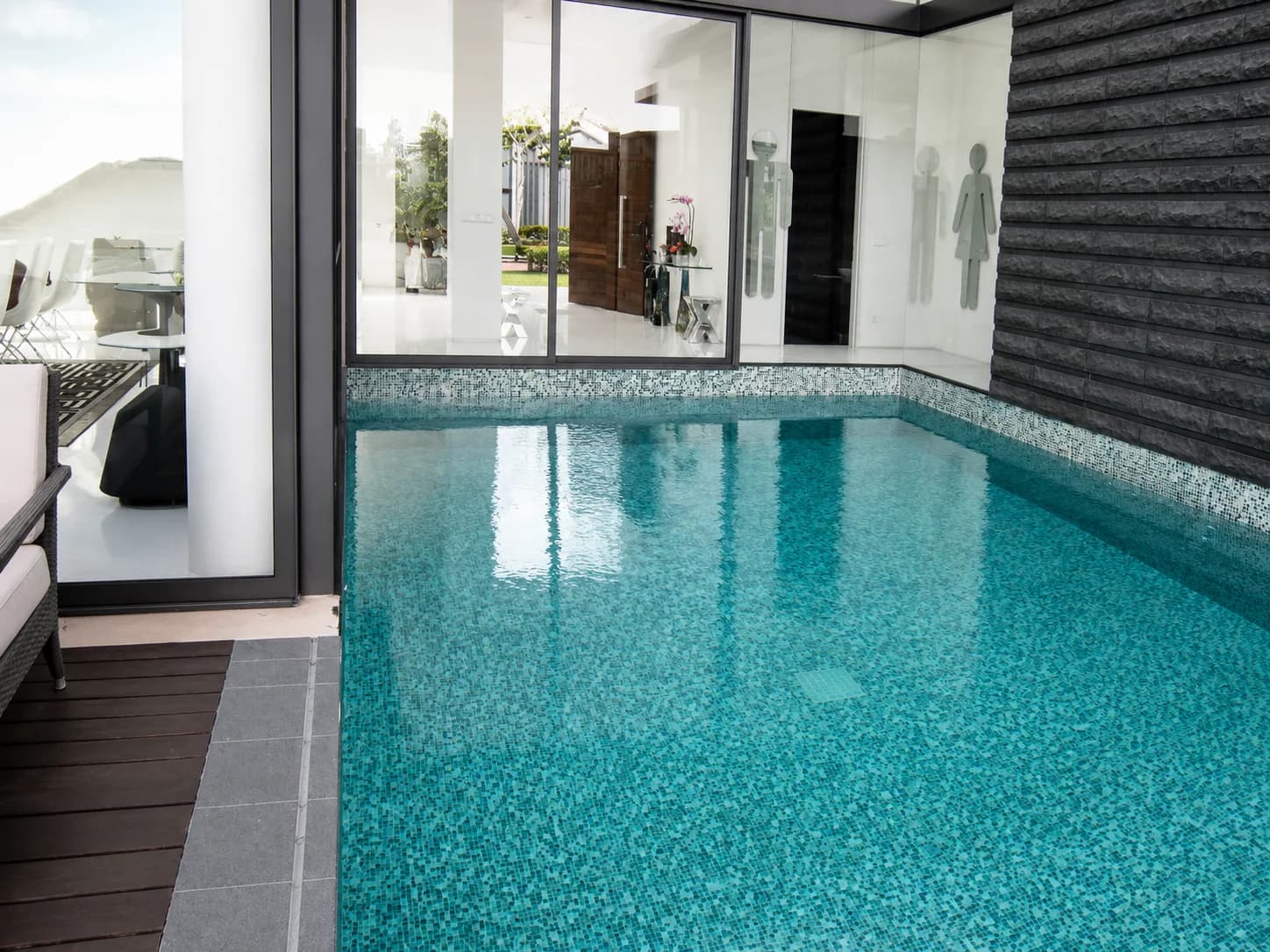
House off Treasure Island, Sentosa
Worldbizz supplied and installed acrylic pool panels for a private residence at Treasure Island, Sentosa.
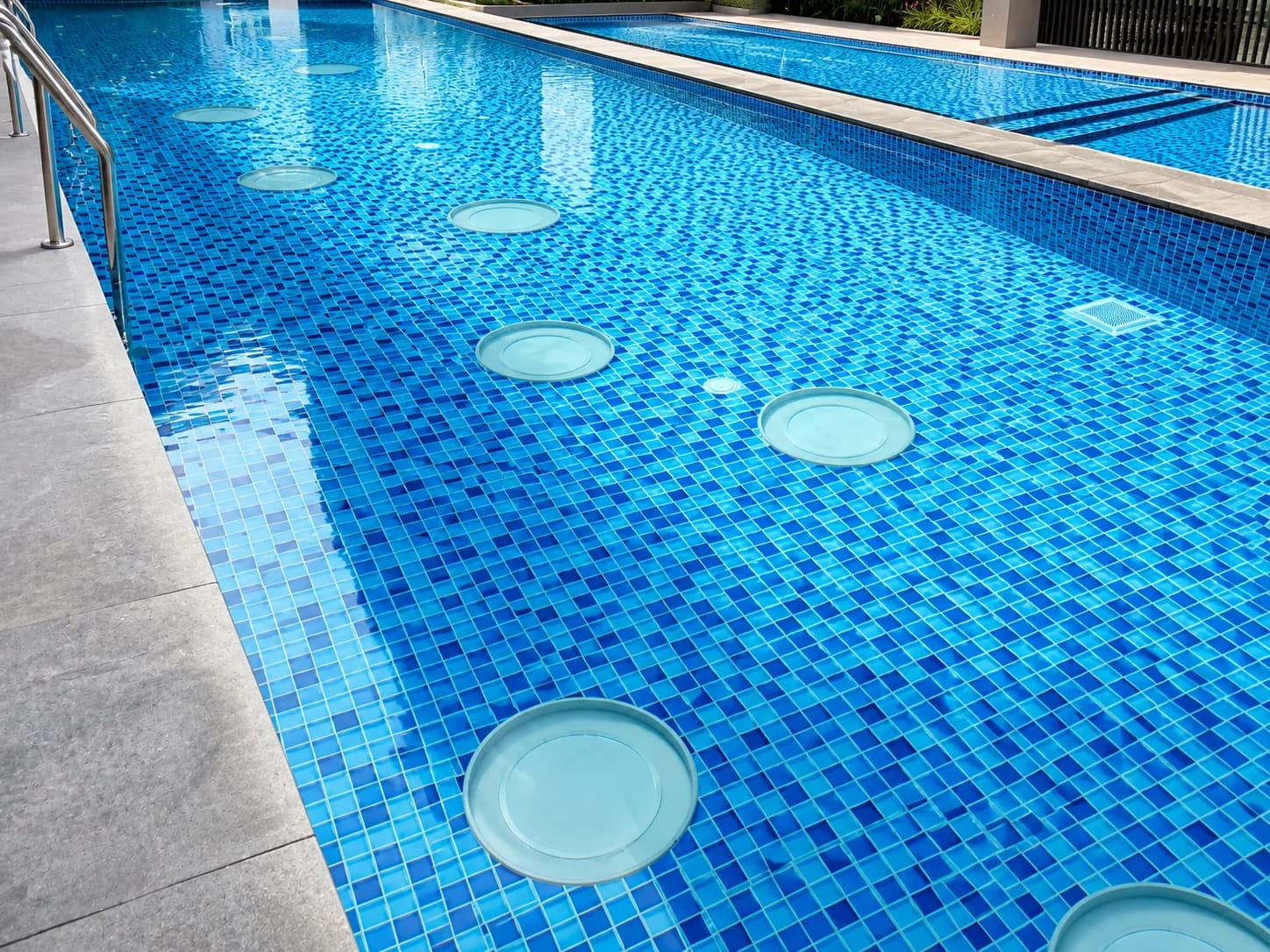
Holland Collection
Worldbizz supplied and installed acrylic pool panels for the Holland Collection residential development.
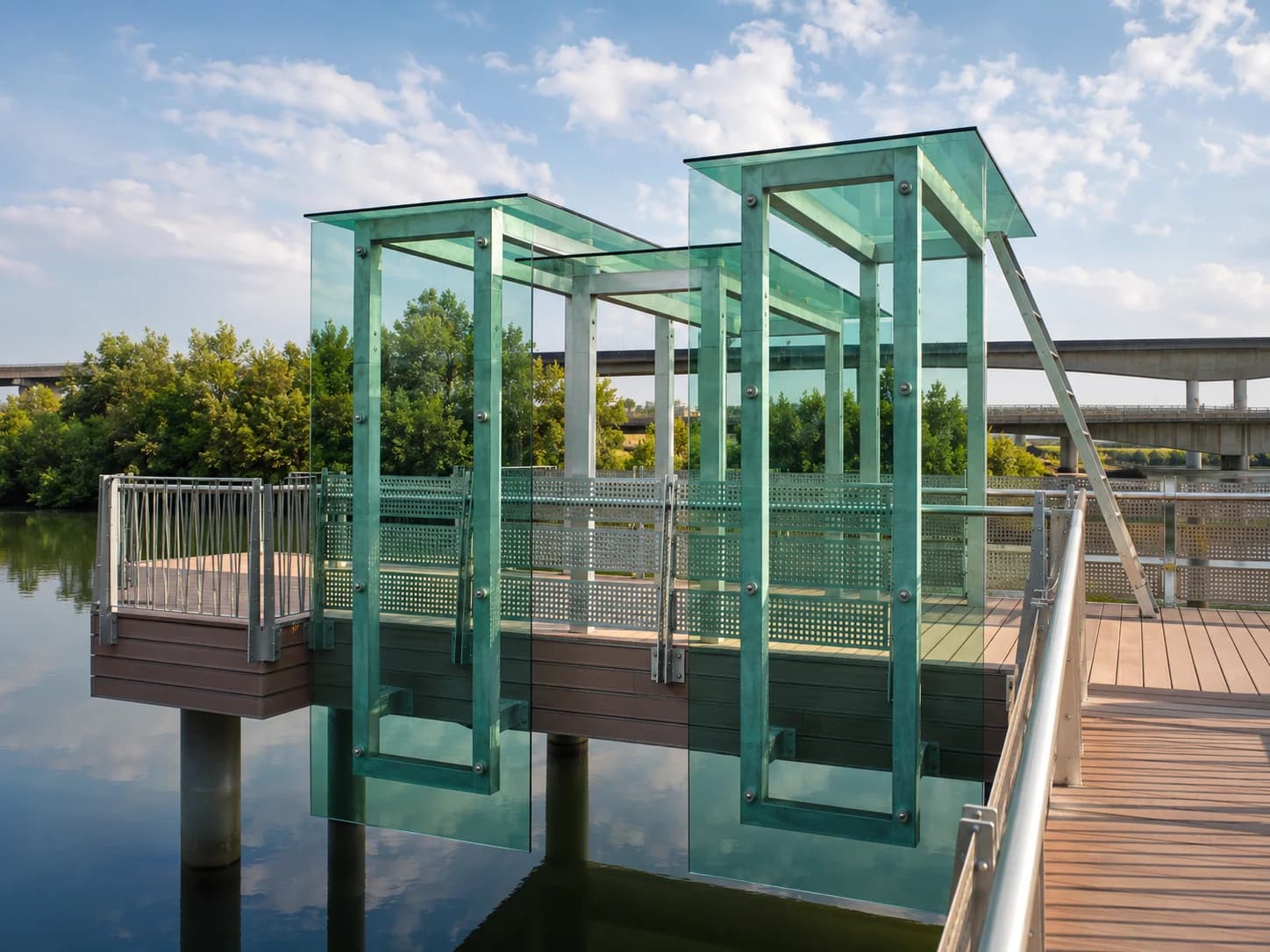
Punggol East
Worldbizz supplied and installed acrylic roofing panels for Punggol East.
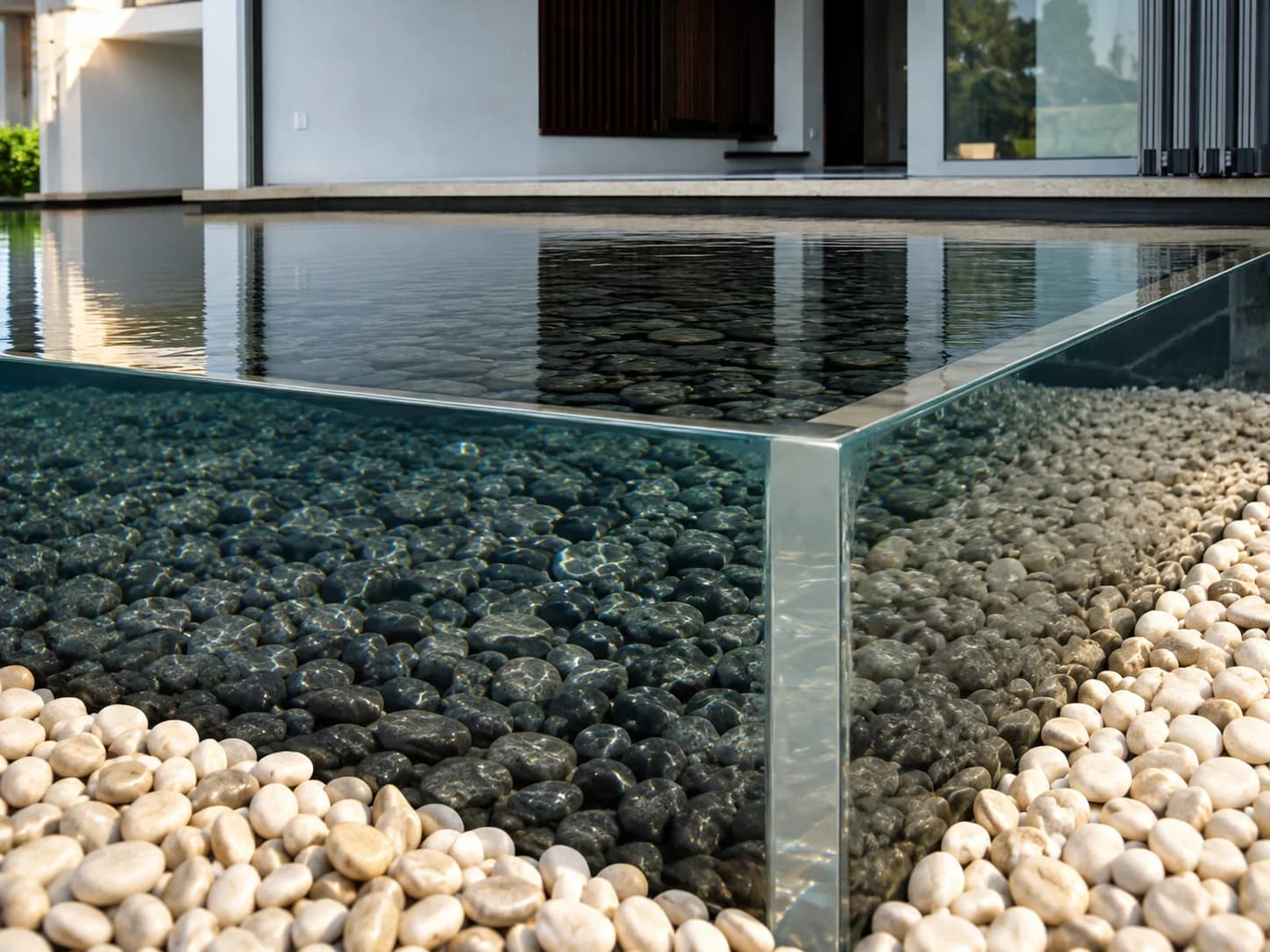
House off Sentosa
Worldbizz supplied and installed acrylic swimming pool panels for a private residence off Sentosa.
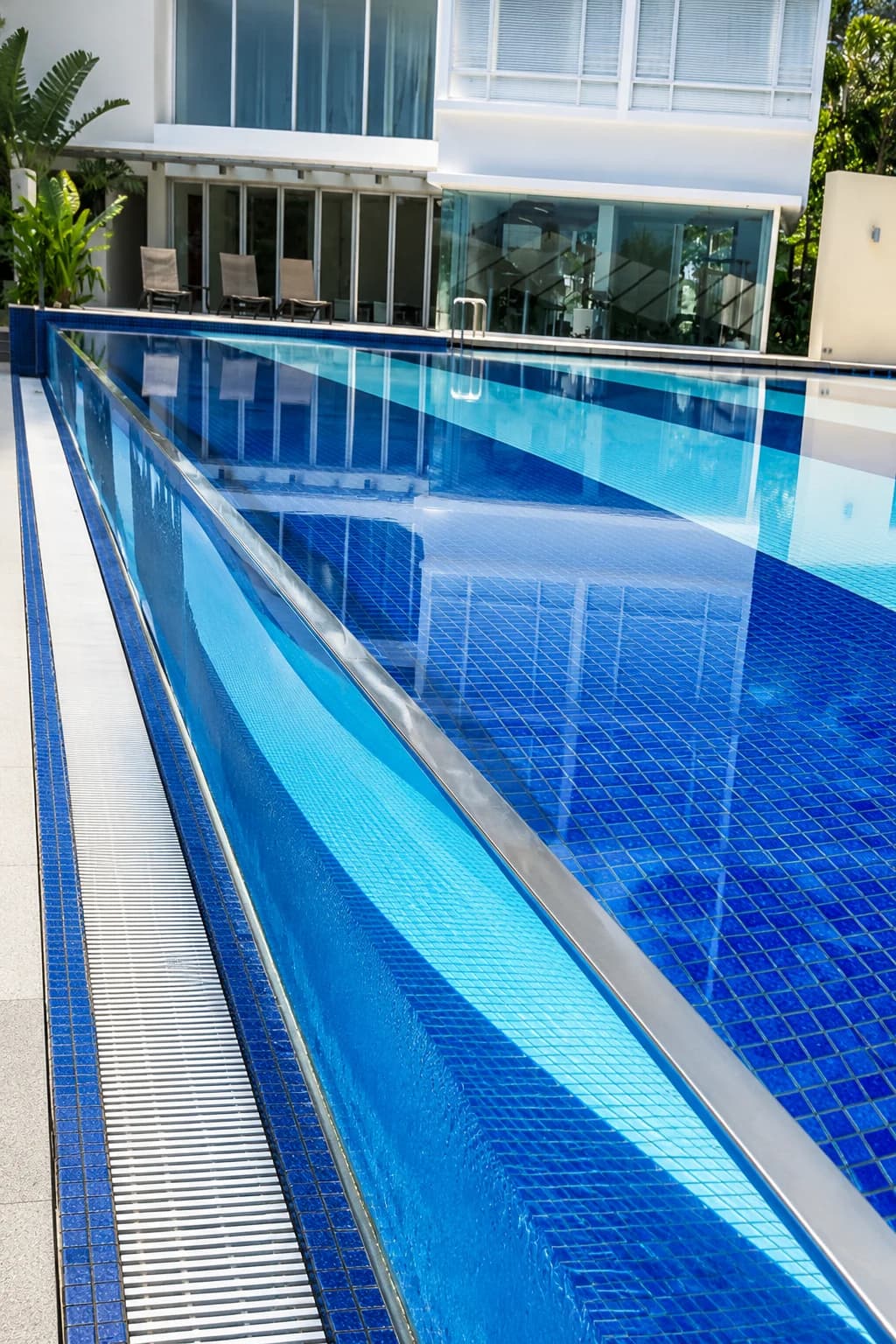
Cairnhill Residences
Worldbizz supplied and installed acrylic swimming pool panels for Cairnhill Residences.
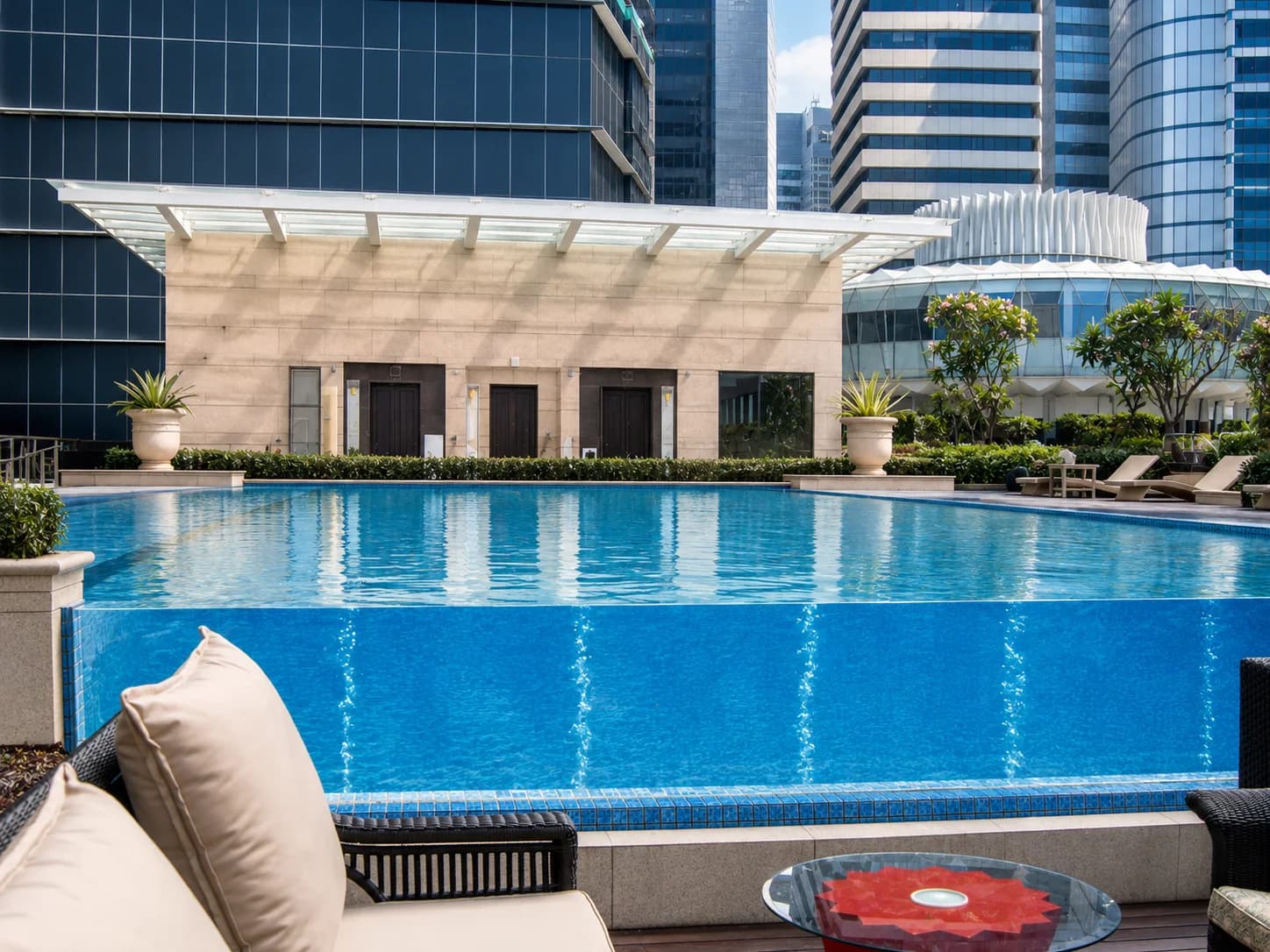
The Fullerton Bay Hotel
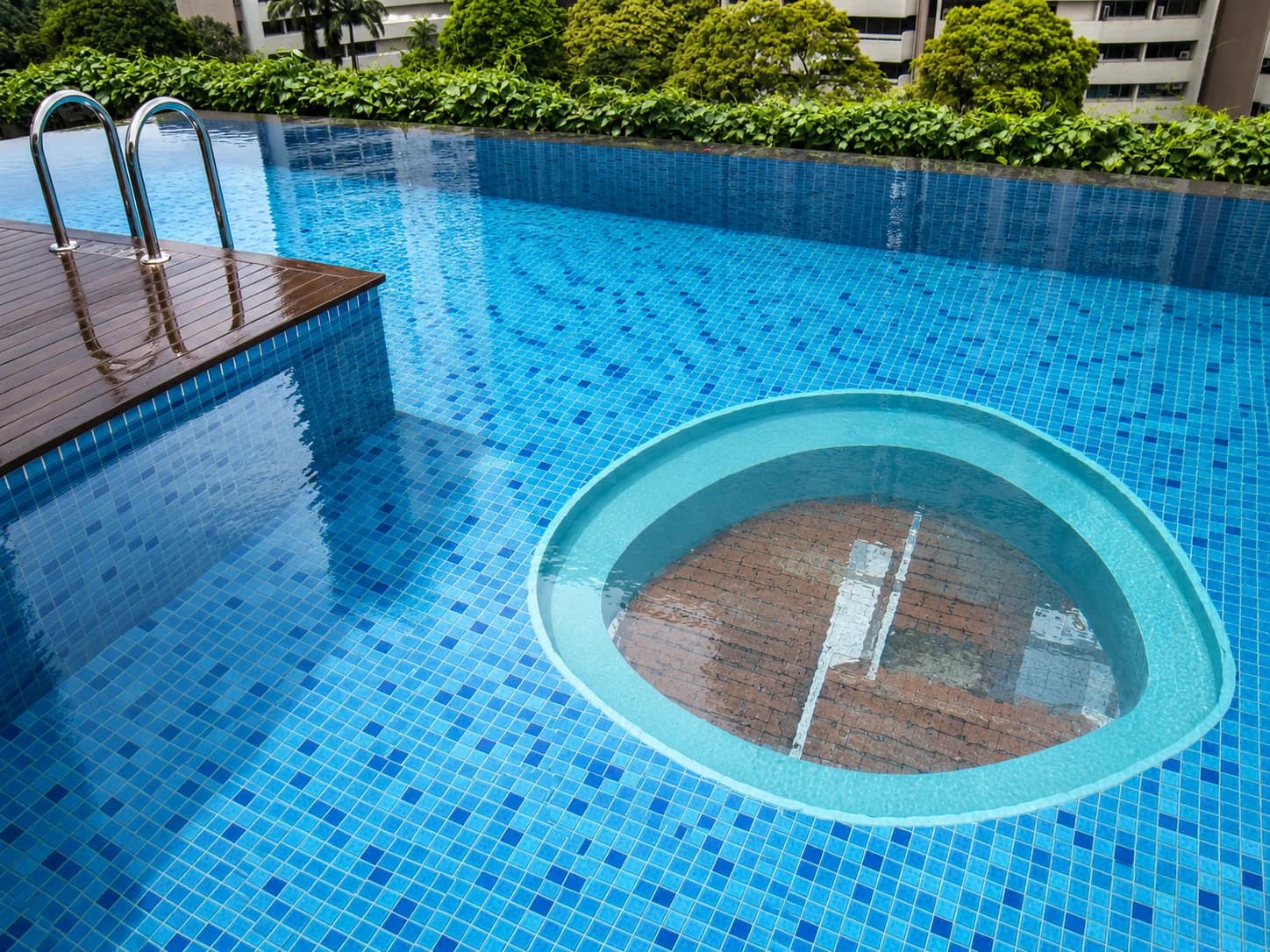
Helios
Worldbizz supplied and installed an acrylic skylight for Helios.
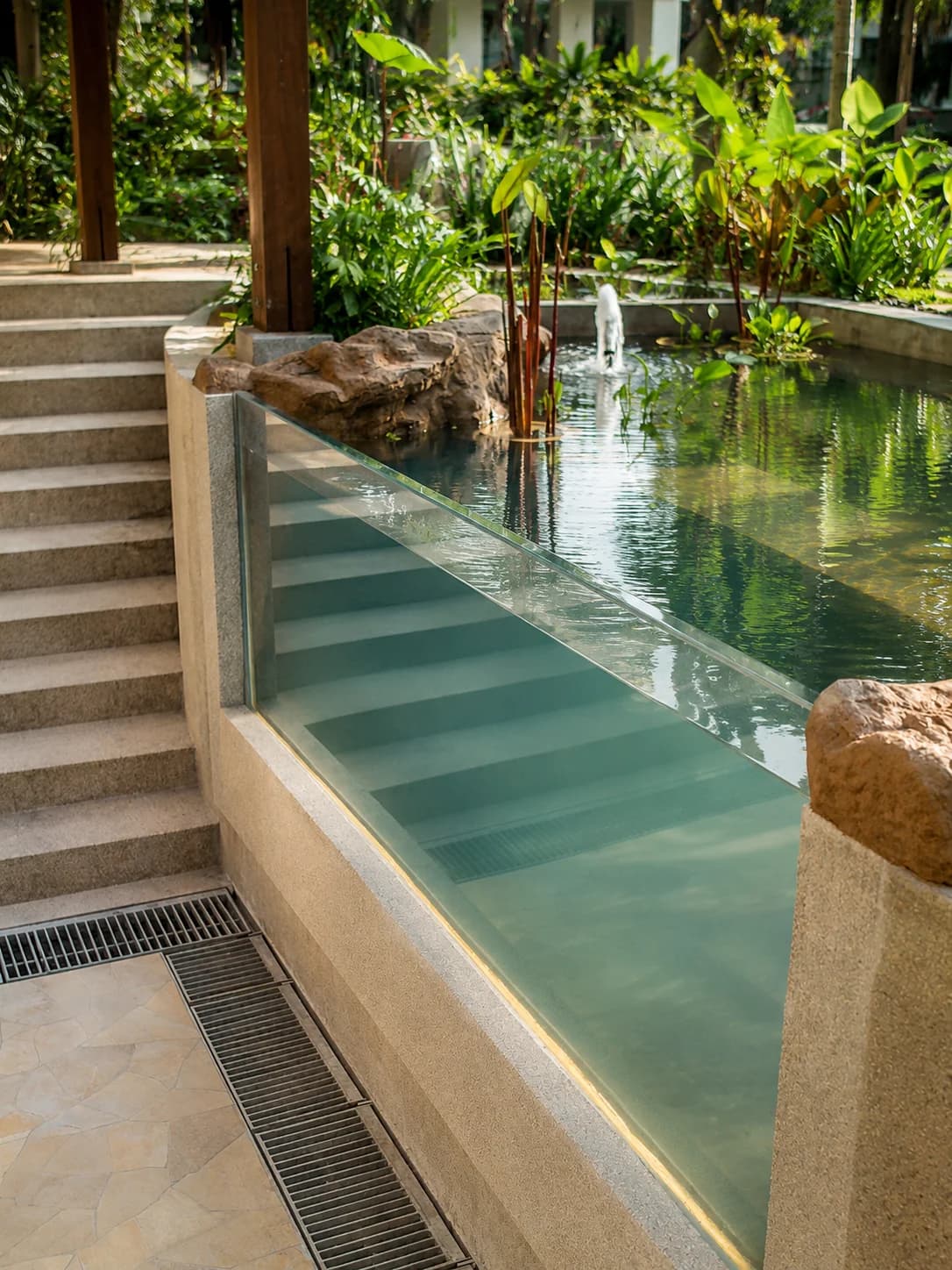
Maha Bodhi School
Worldbizz supplied and installed acrylic water feature panels for Maha Bodhi School.
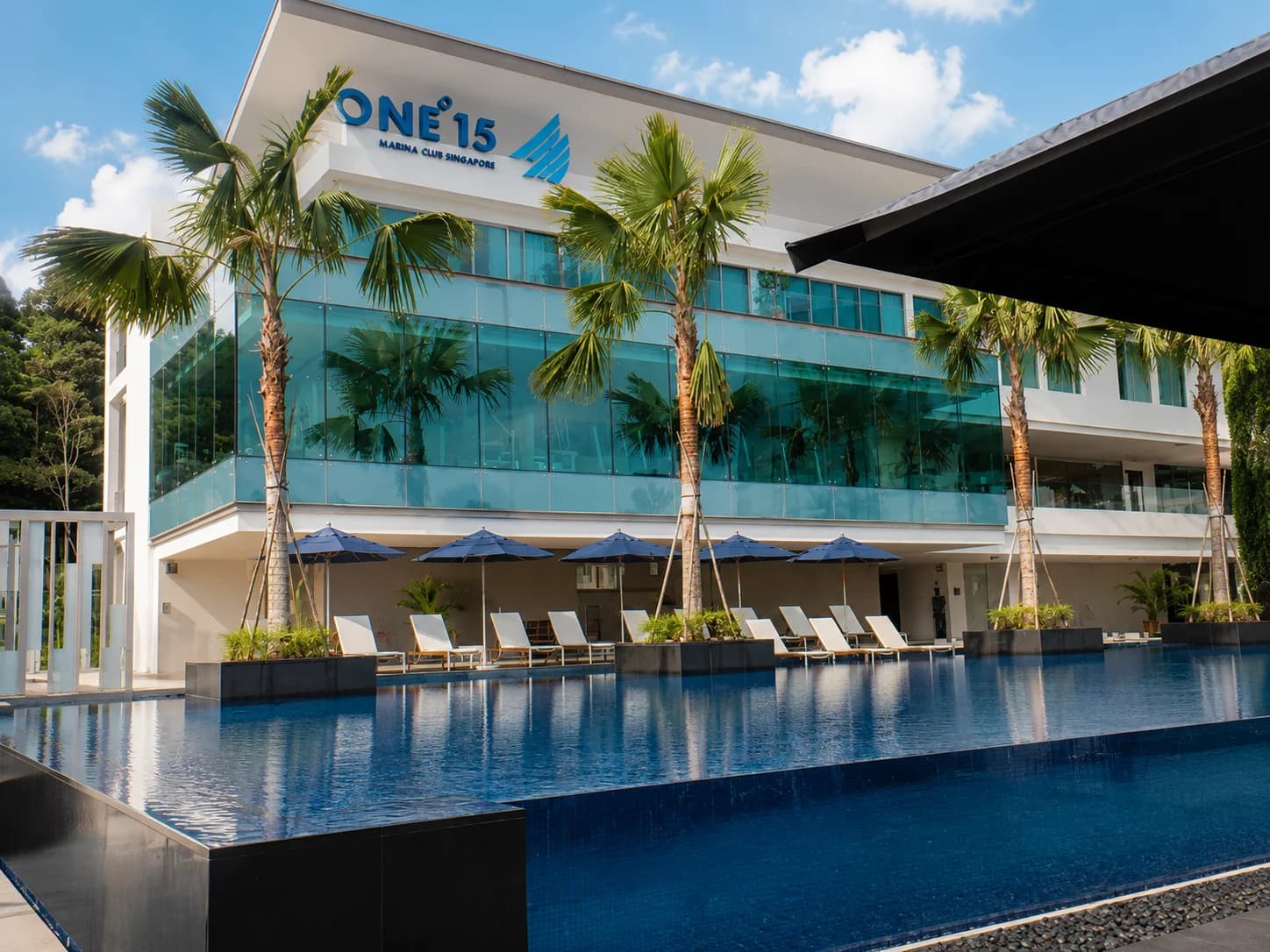
One°15 Marina
Worldbizz supplied and installed acrylic swimming pool panels for One°15 Marina at Sentosa Cove.
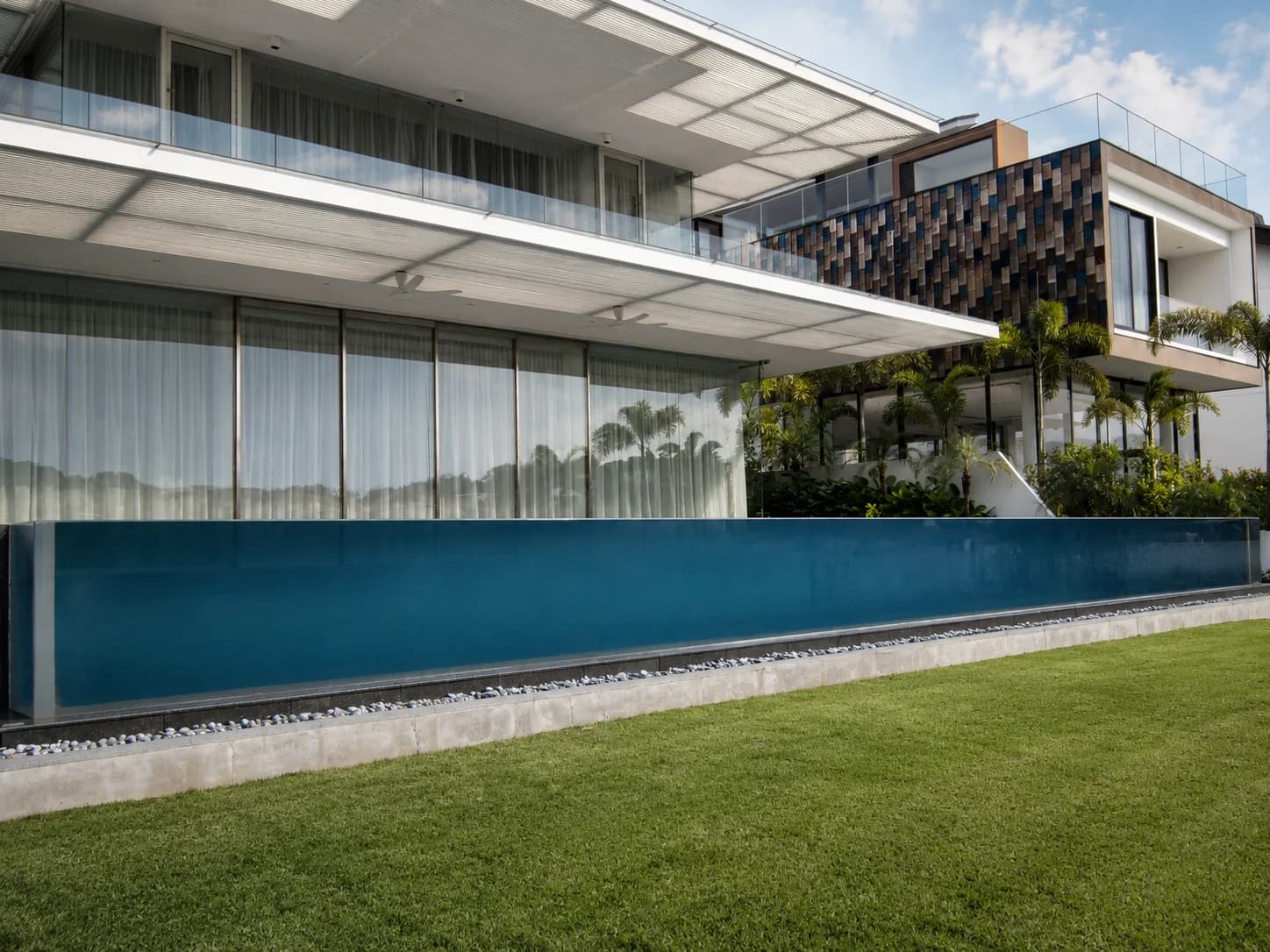
House off Sentosa
Worldbizz supplied and installed acrylic swimming pool panels for a private residence off Sentosa.

House off Sentosa
Worldbizz supplied and installed acrylic swimming pool panels for a private residence off Sentosa.
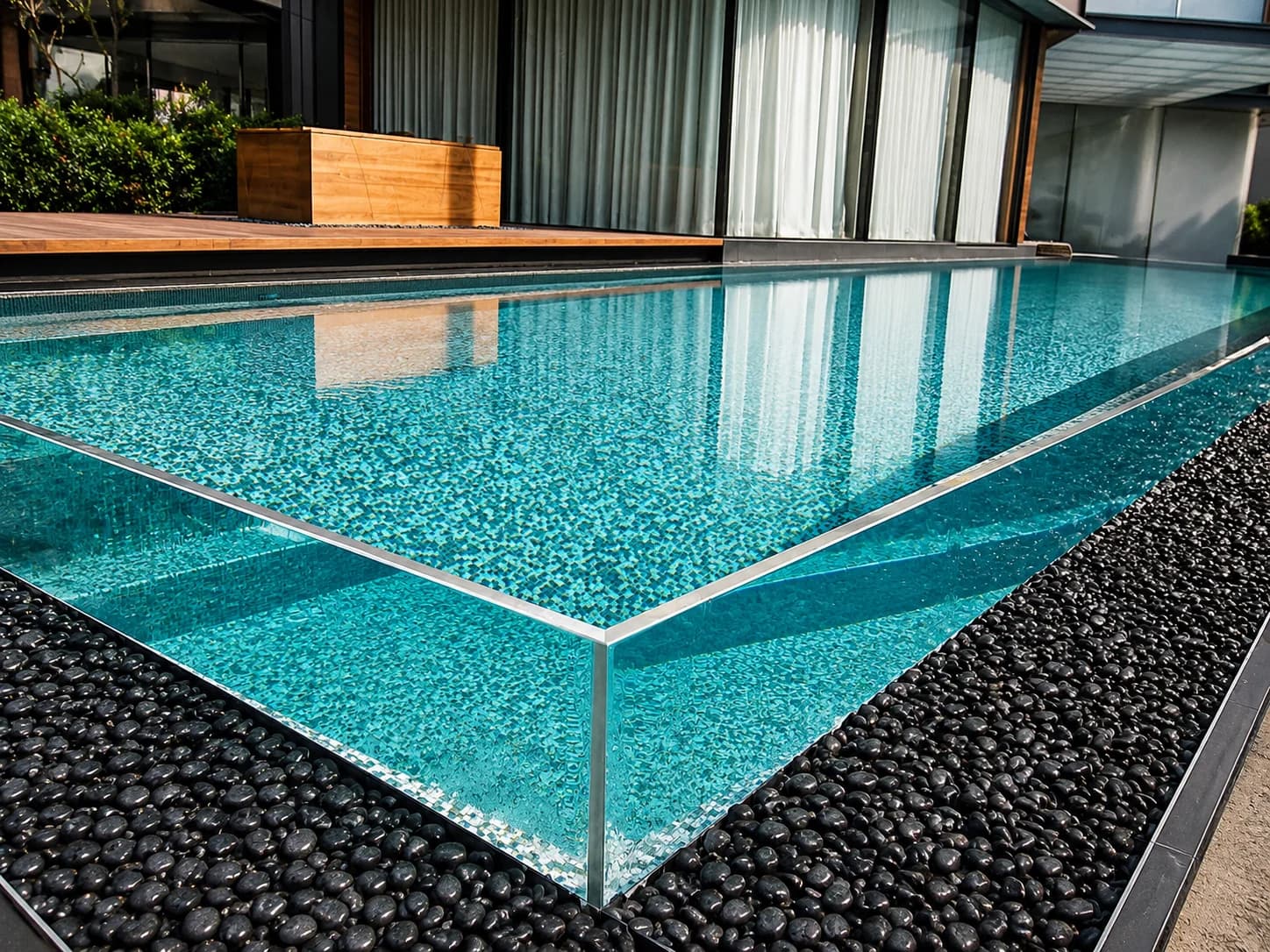
House off Sentosa
Worldbizz supplied and installed acrylic swimming pool panels for a private residence off Sentosa.
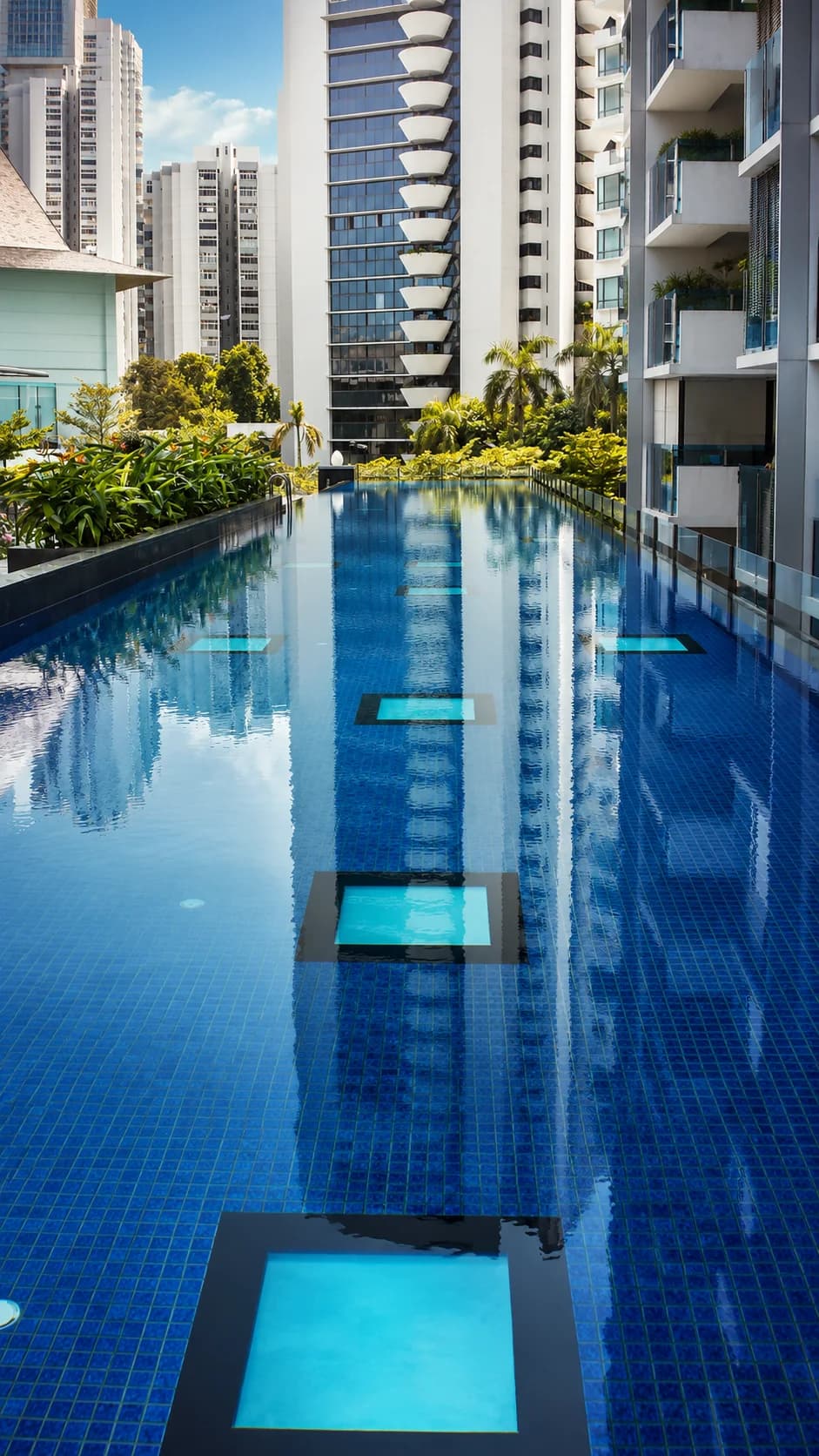
Amber Residences
Worldbizz supplied and installed acrylic swimming pool panels for Amber Residences.
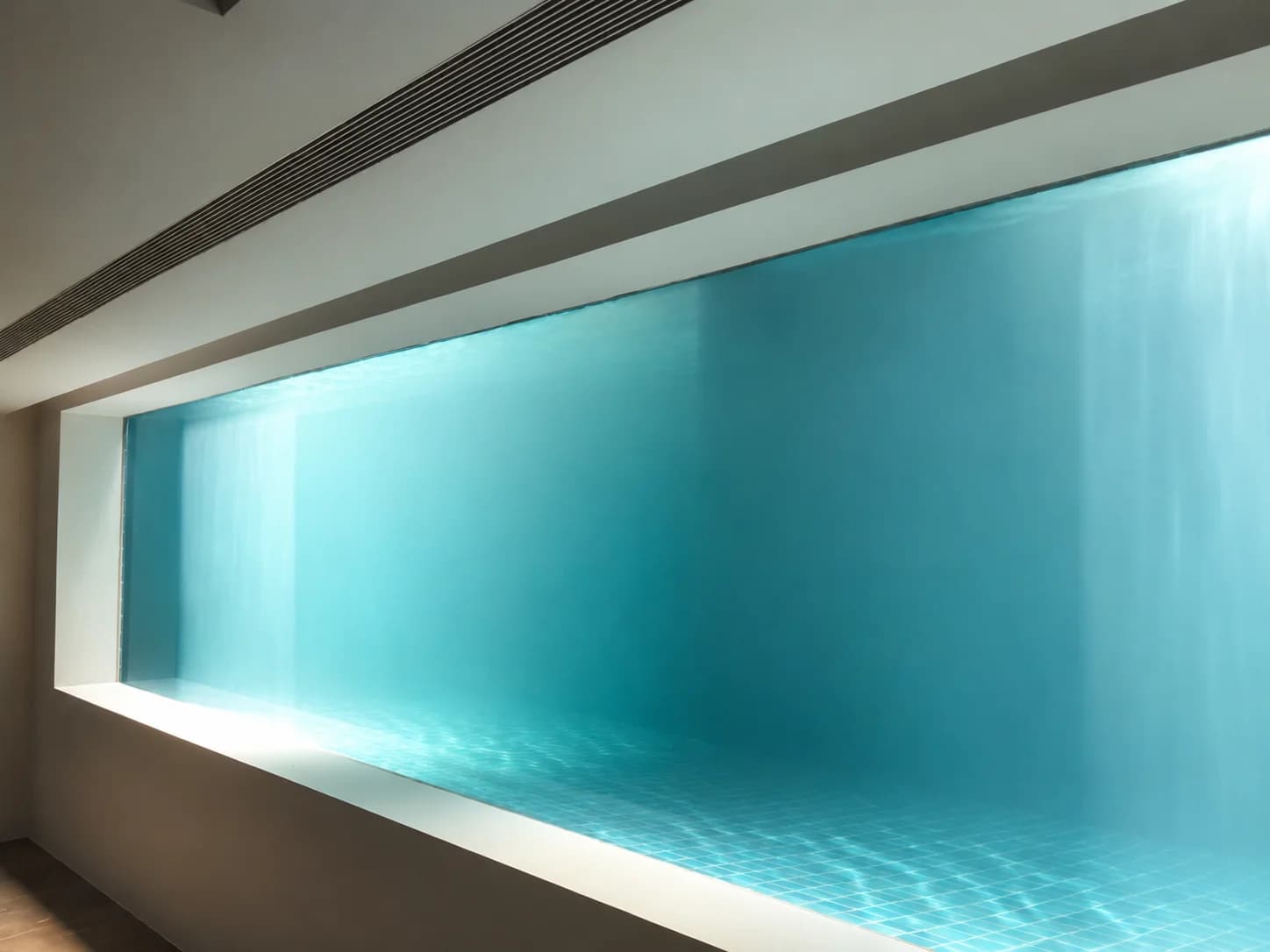
House off Ocean Drive
Worldbizz supplied and installed acrylic swimming pool panels for a private residence off Ocean Drive.
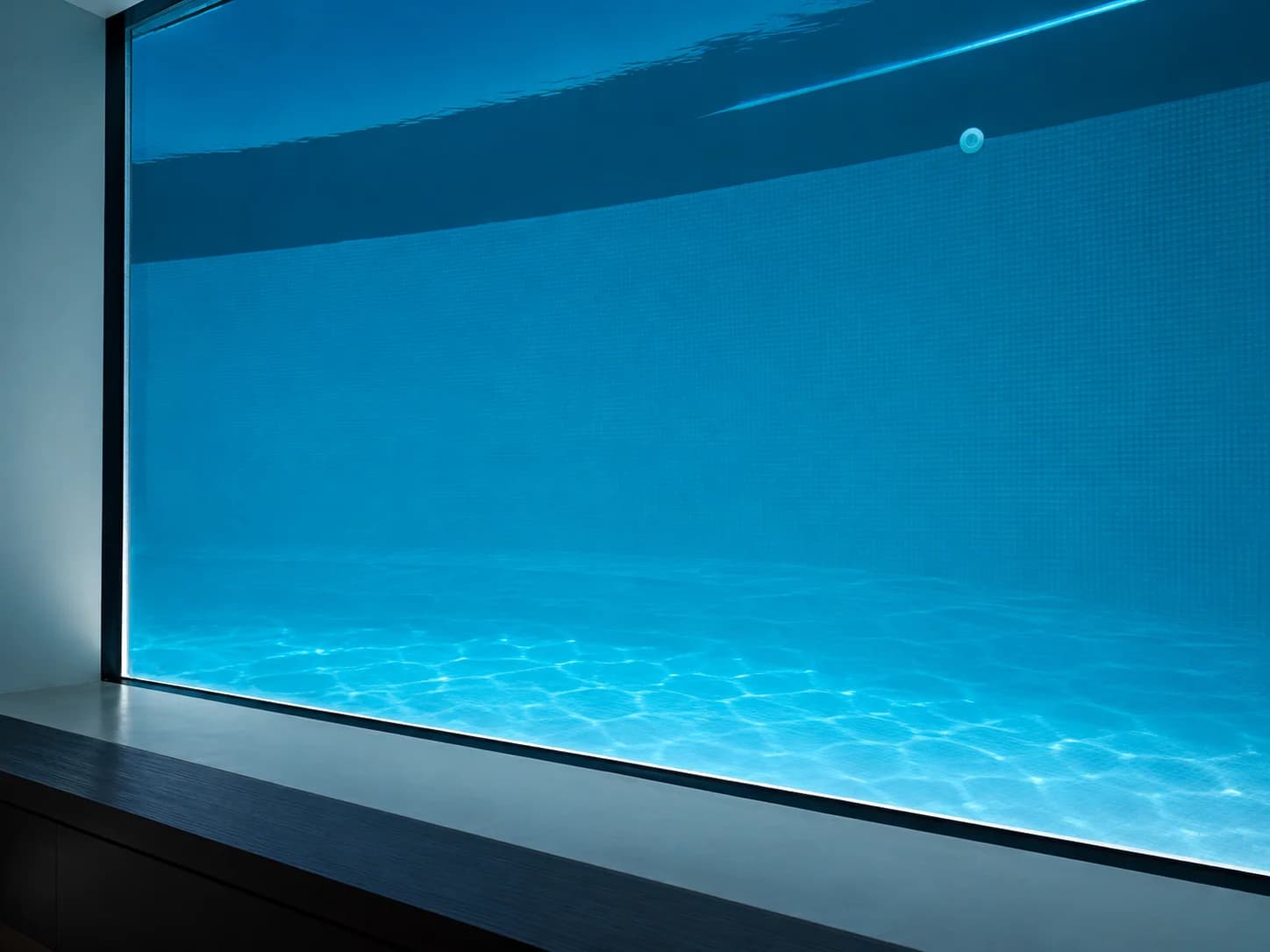
House off Cove Drive
Worldbizz supplied and installed acrylic swimming pool panels for a private residence off Cove Drive.
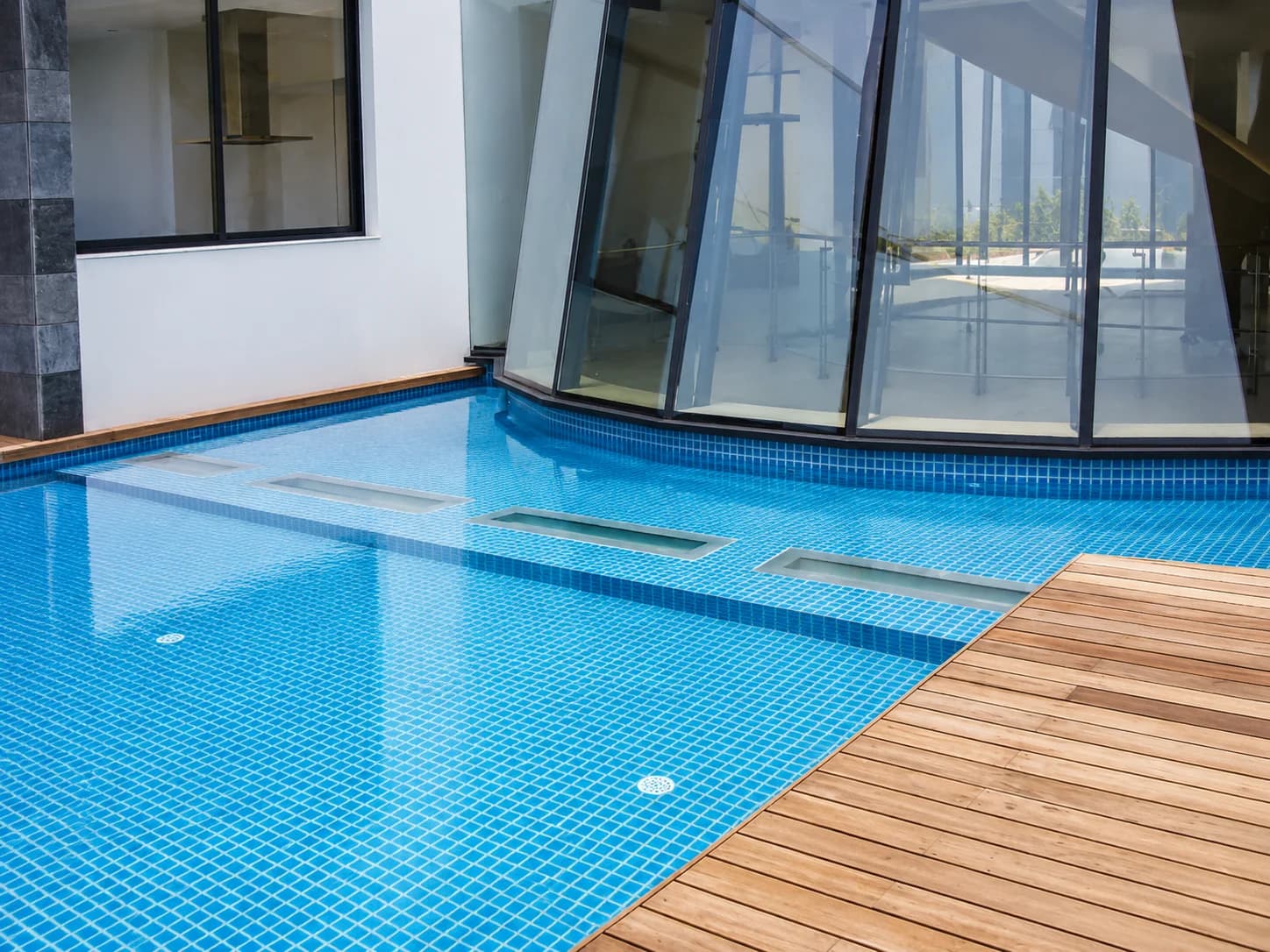
House off Sentosa — Swimming Pool Skylight
Worldbizz supplied and installed an acrylic skylight over the swimming pool for a private residence off Sentosa.
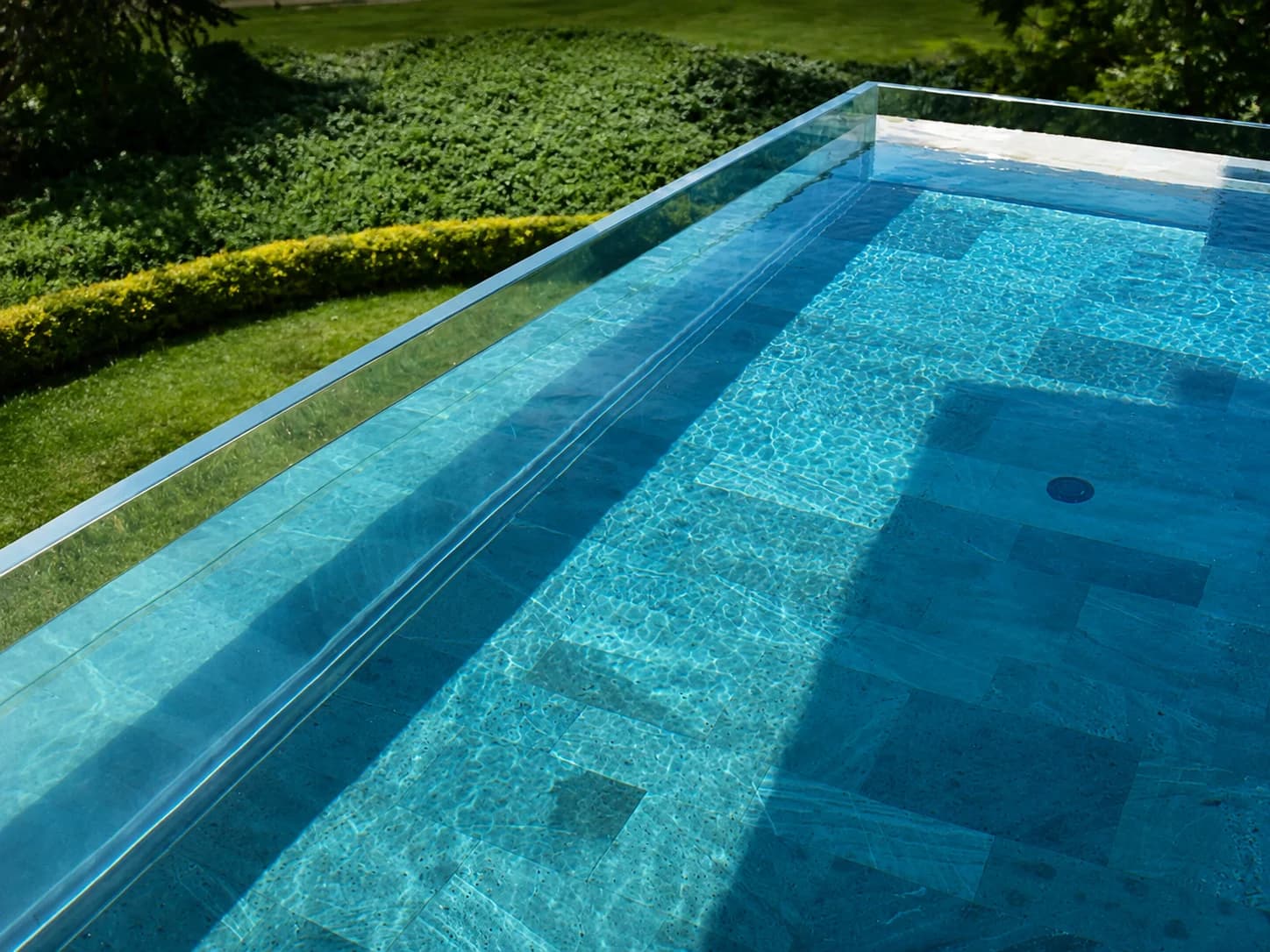
House off Sentosa
Worldbizz supplied and installed acrylic pool panels for a private residence off Sentosa.
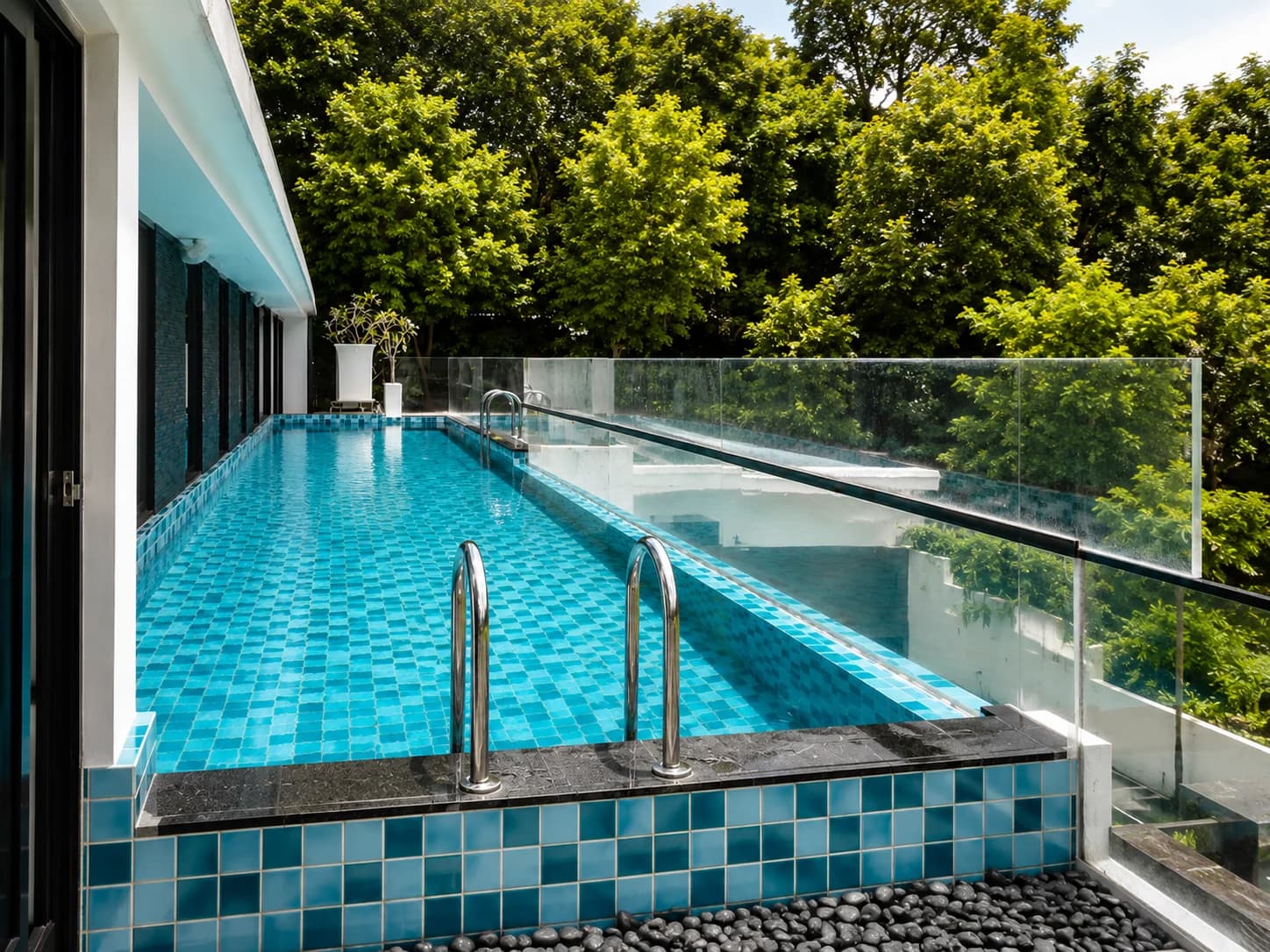
House off King Albert Park
Worldbizz supplied and installed acrylic pool panels for a private residence off King Albert Park.
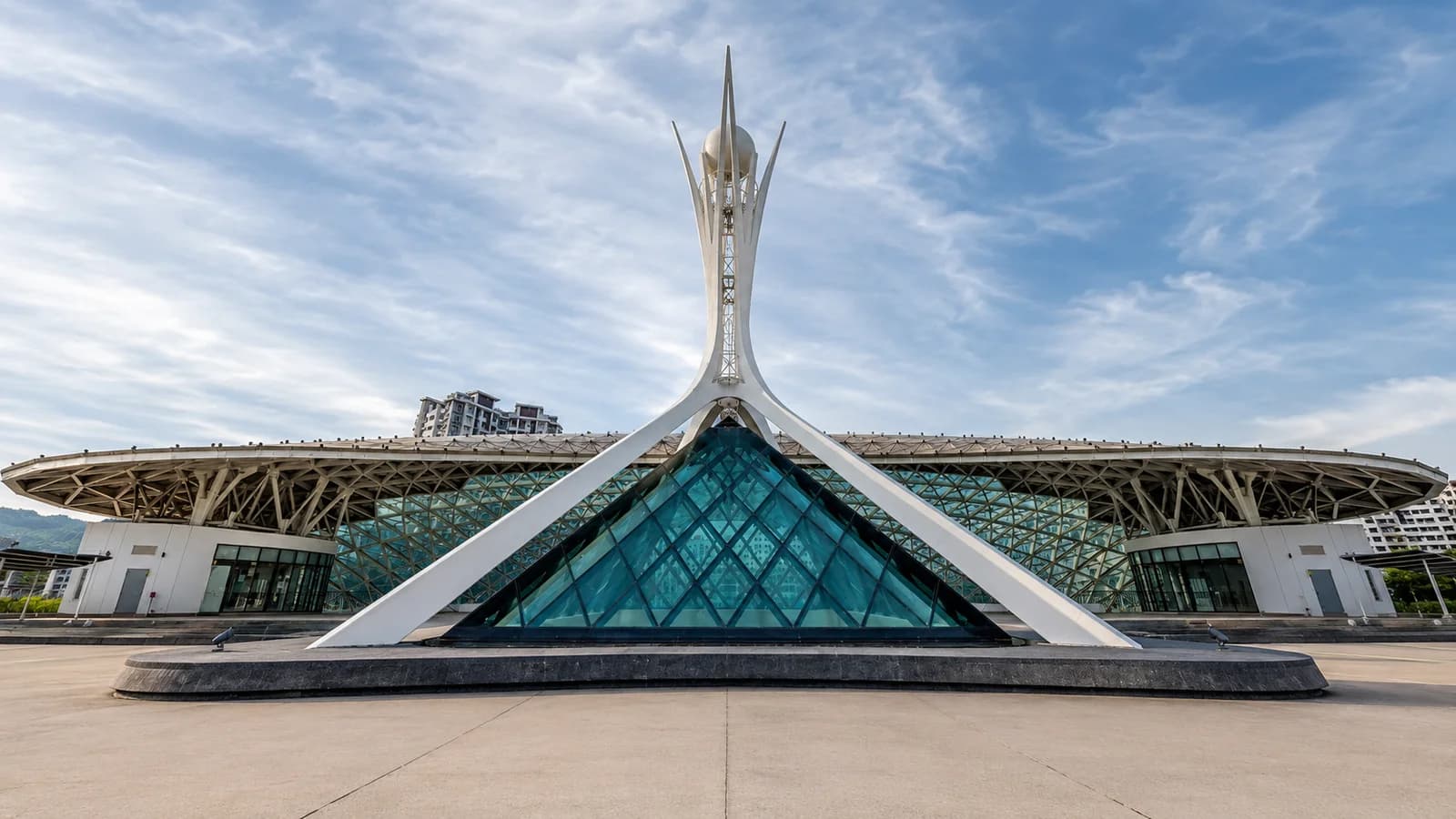
Setia SPICE Penang Pearl Ball
Acrylic panel works for the Setia SPICE Pearl Ball event at the SPICE Arena, Penang.
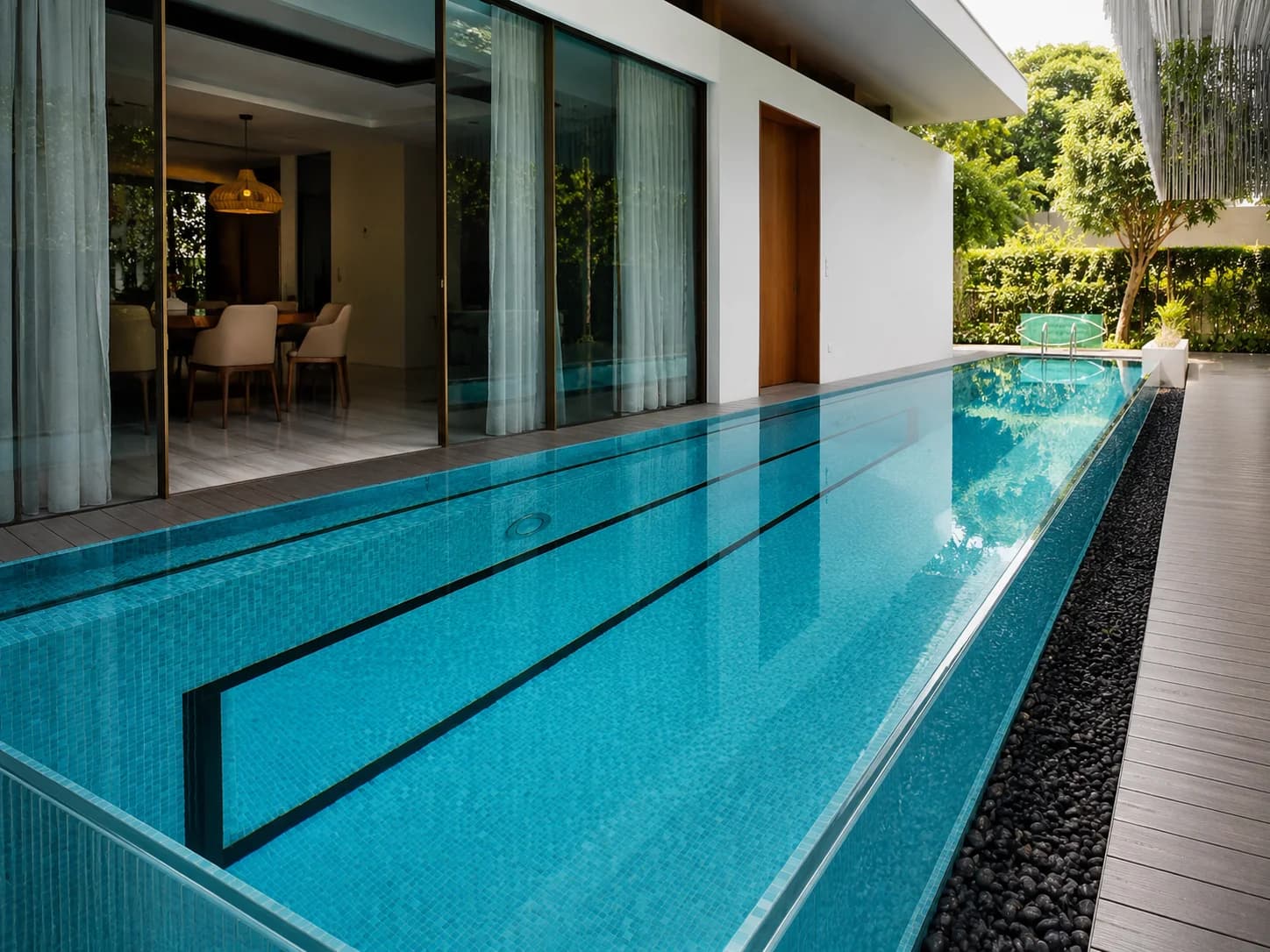
House off Cluny Hill
Worldbizz supplied and installed the acrylic panel works for this private residence.
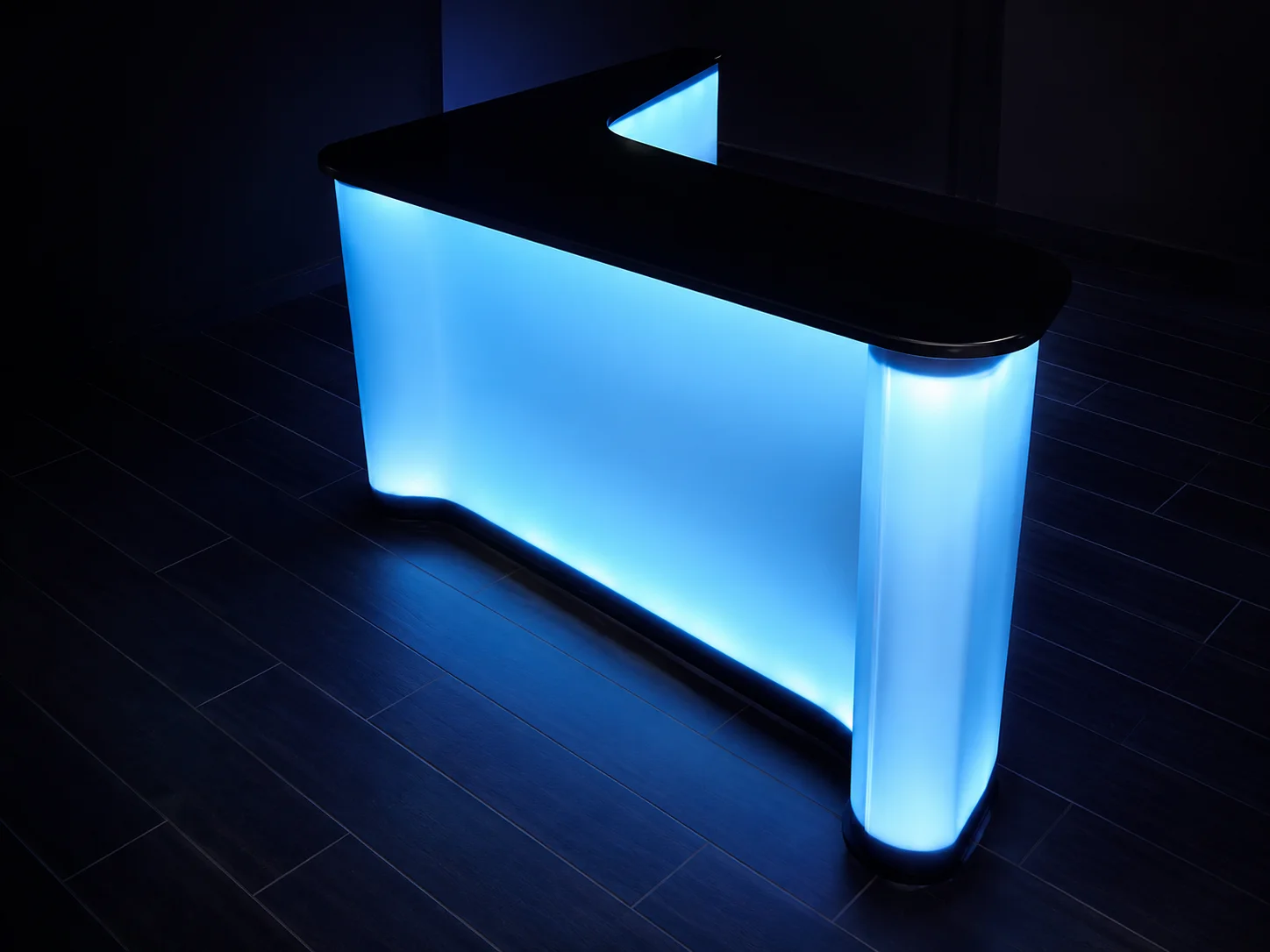
City Gate
Acrylic panel works for Citygate.
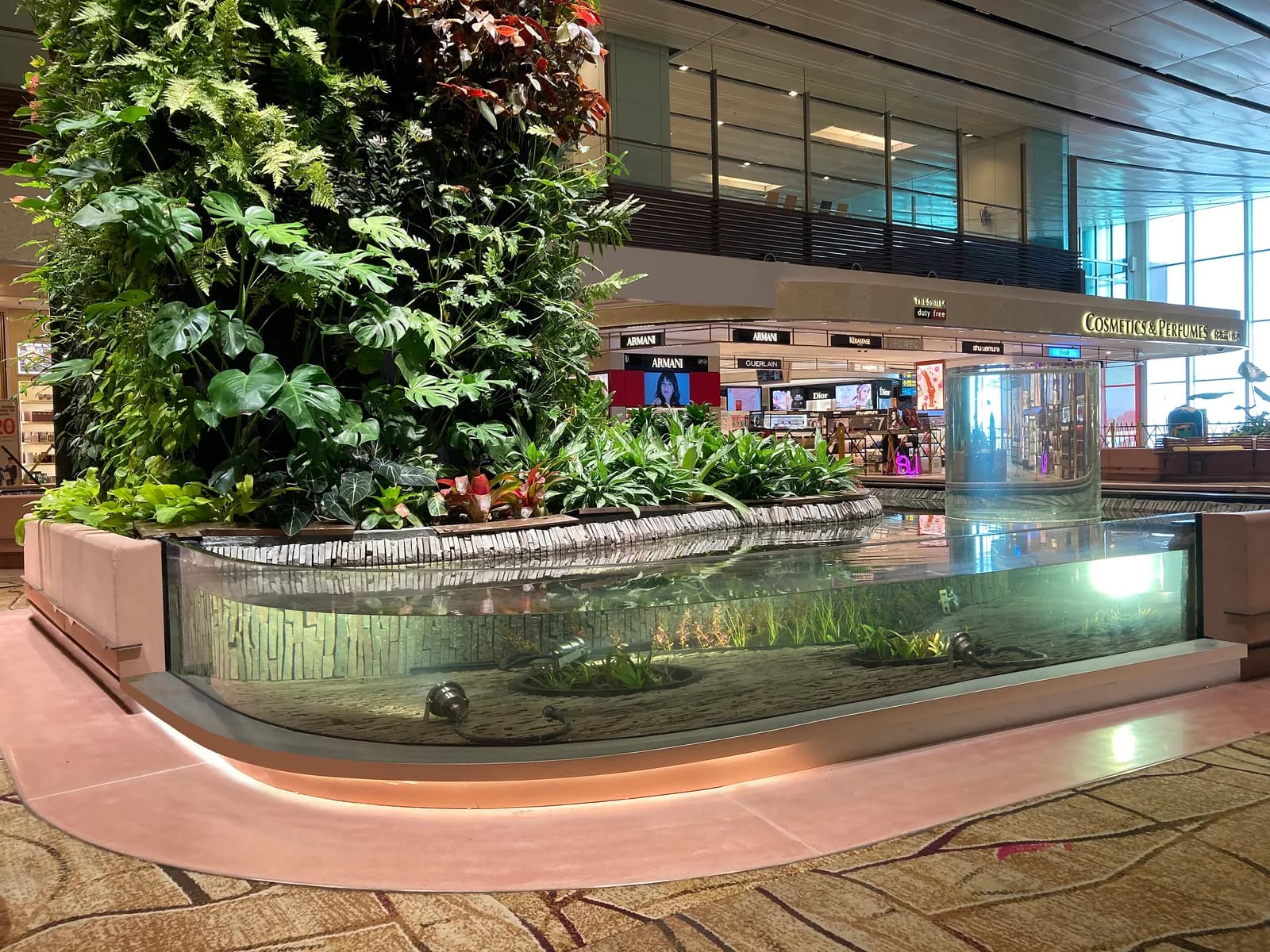
Changi Airport Terminal 1 — Departure Hall Water Feature
Water feature panels, full supply and installation
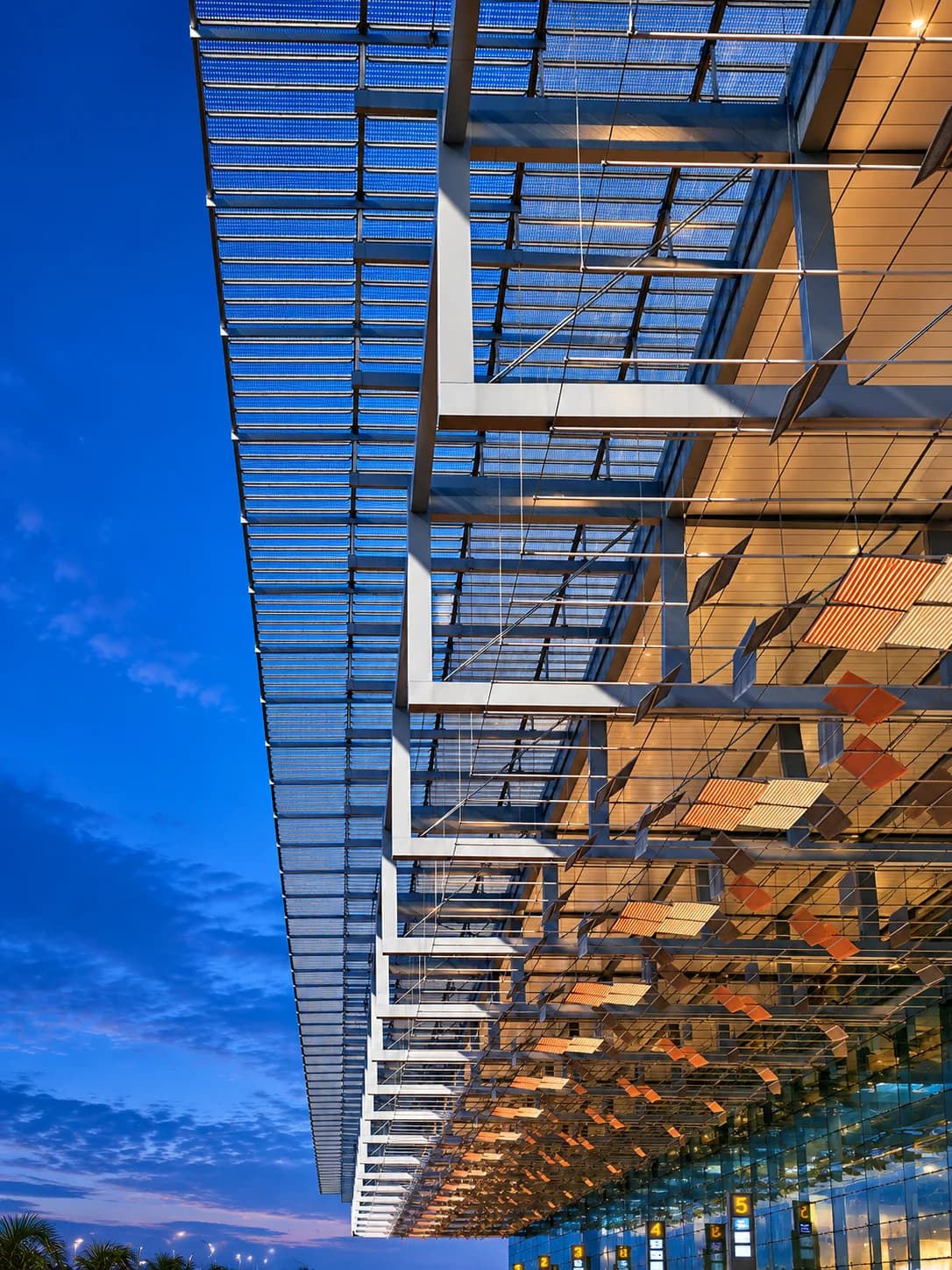
Changi Airport Terminal 3 — Roof Glazing
Worldbizz supplied and installed acrylic glazing panels across the Terminal 3 roof canopy, the daylighting system that filters natural light into the departure hall below.
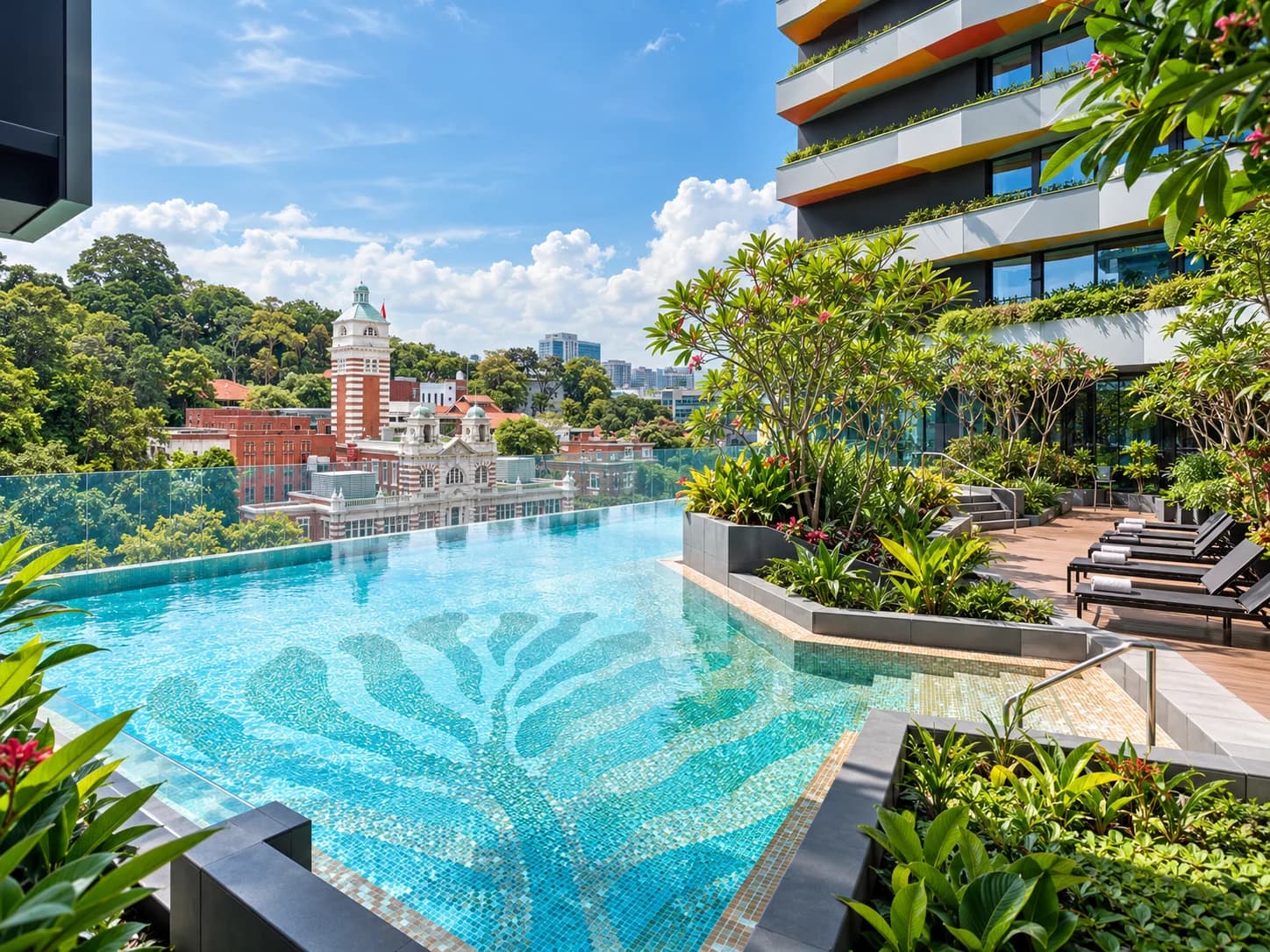
lyf Funan
Worldbizz supplied and installed the acrylic panels for the rooftop infinity pool at lyf Funan, overlooking the civic district.
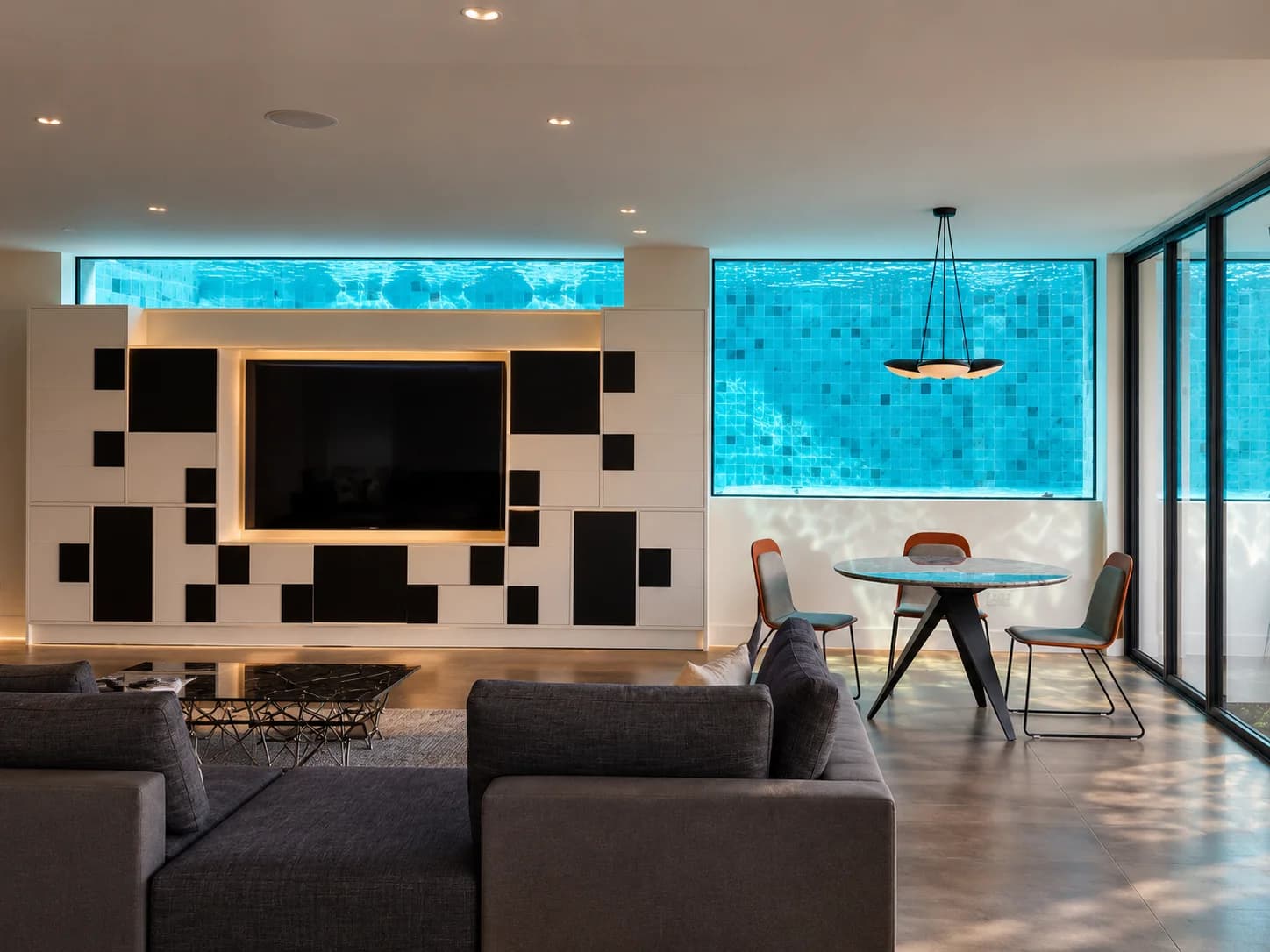
House off Bin Tong Park
Worldbizz supplied and installed acrylic pool windows for a private residence off Bin Tong Park, bringing daylight and a view into the pool from the living areas below.
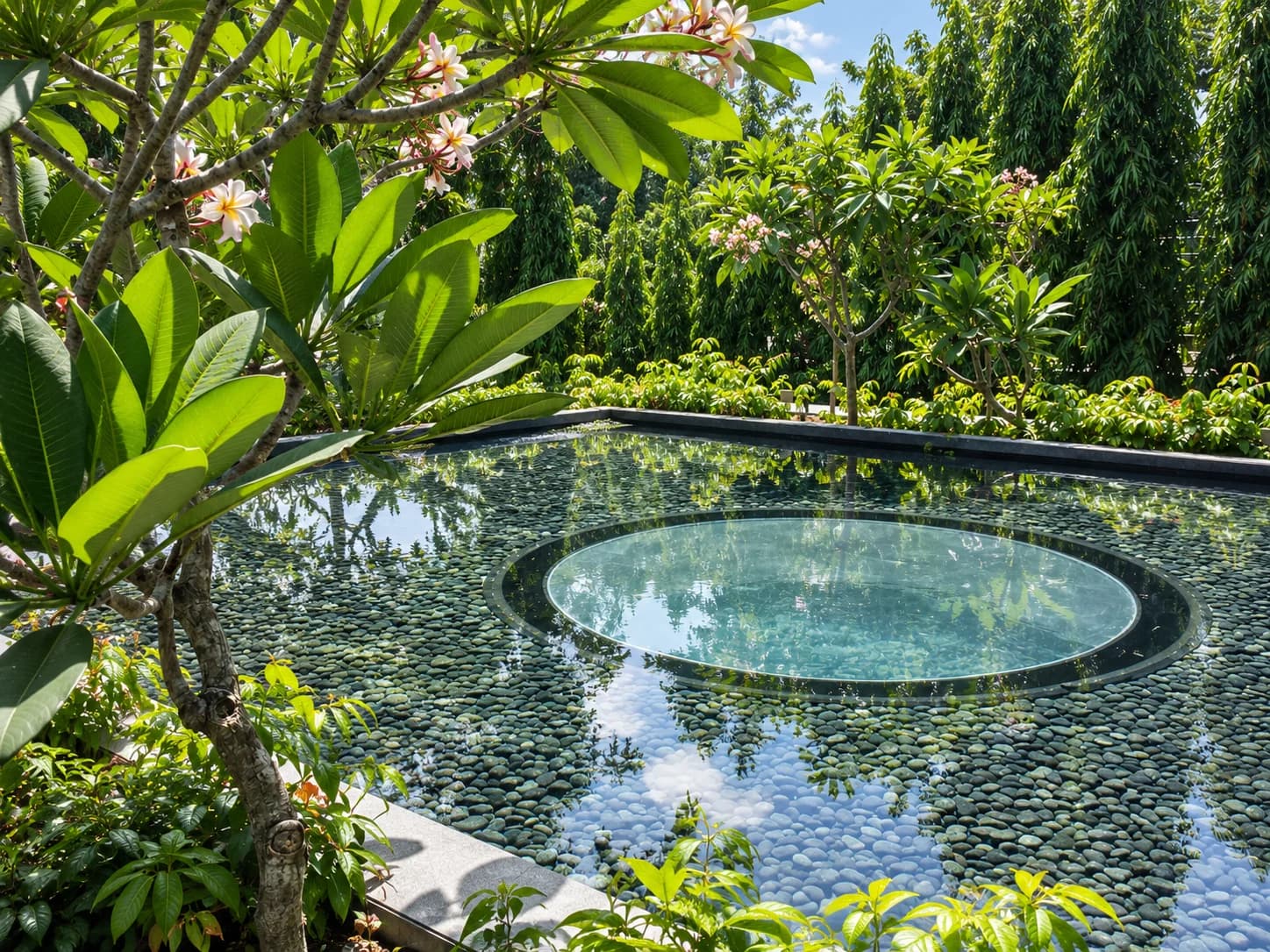
House off Wilby Road — Pond Skylight
Worldbizz supplied and installed a circular acrylic skylight set into the base of a reflecting pond, daylighting the room below through the water above it.
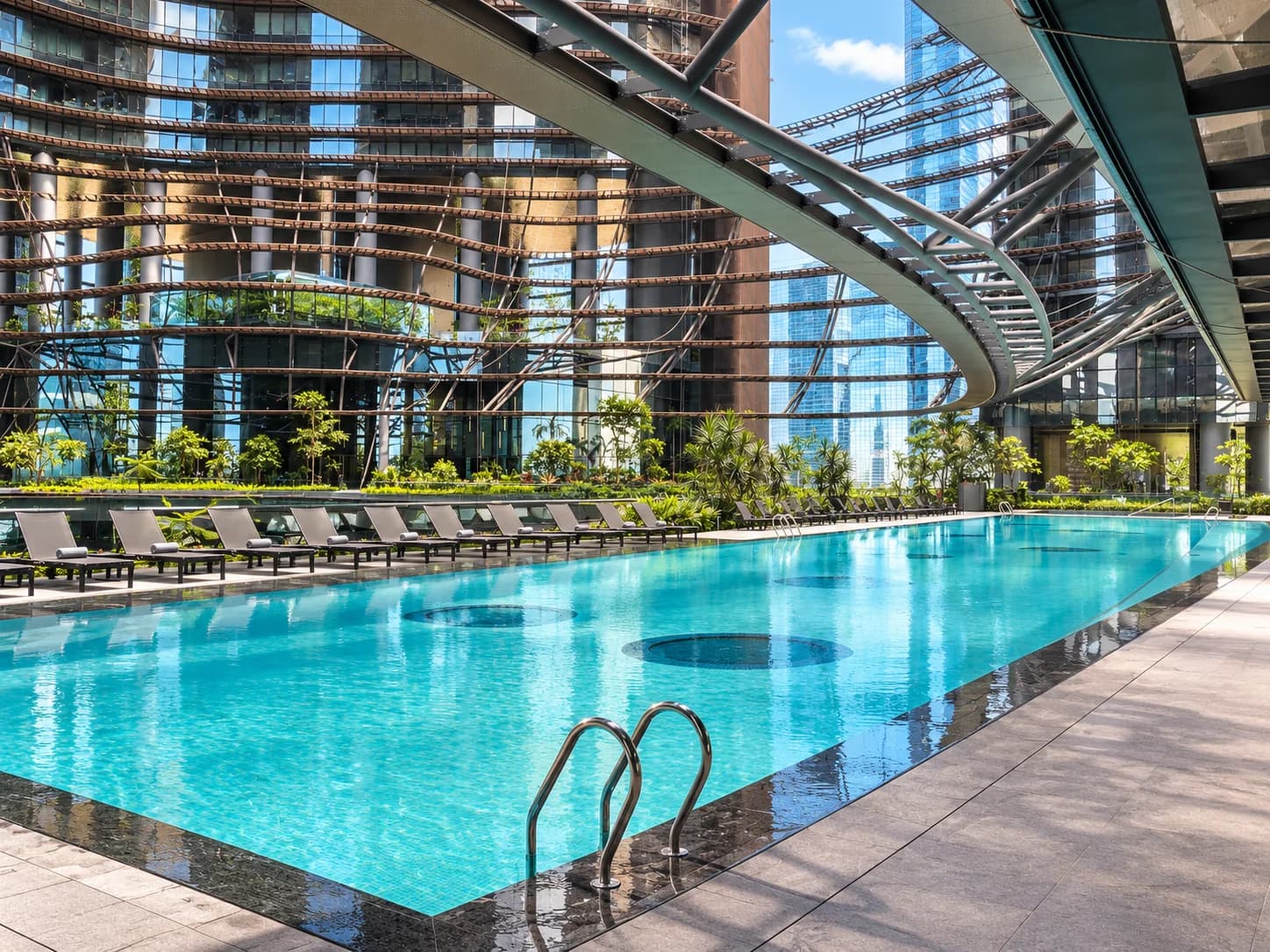
Marina One
Worldbizz supplied and installed acrylic pool panels at Marina One, set within the landscaped Green Heart at the centre of the development.
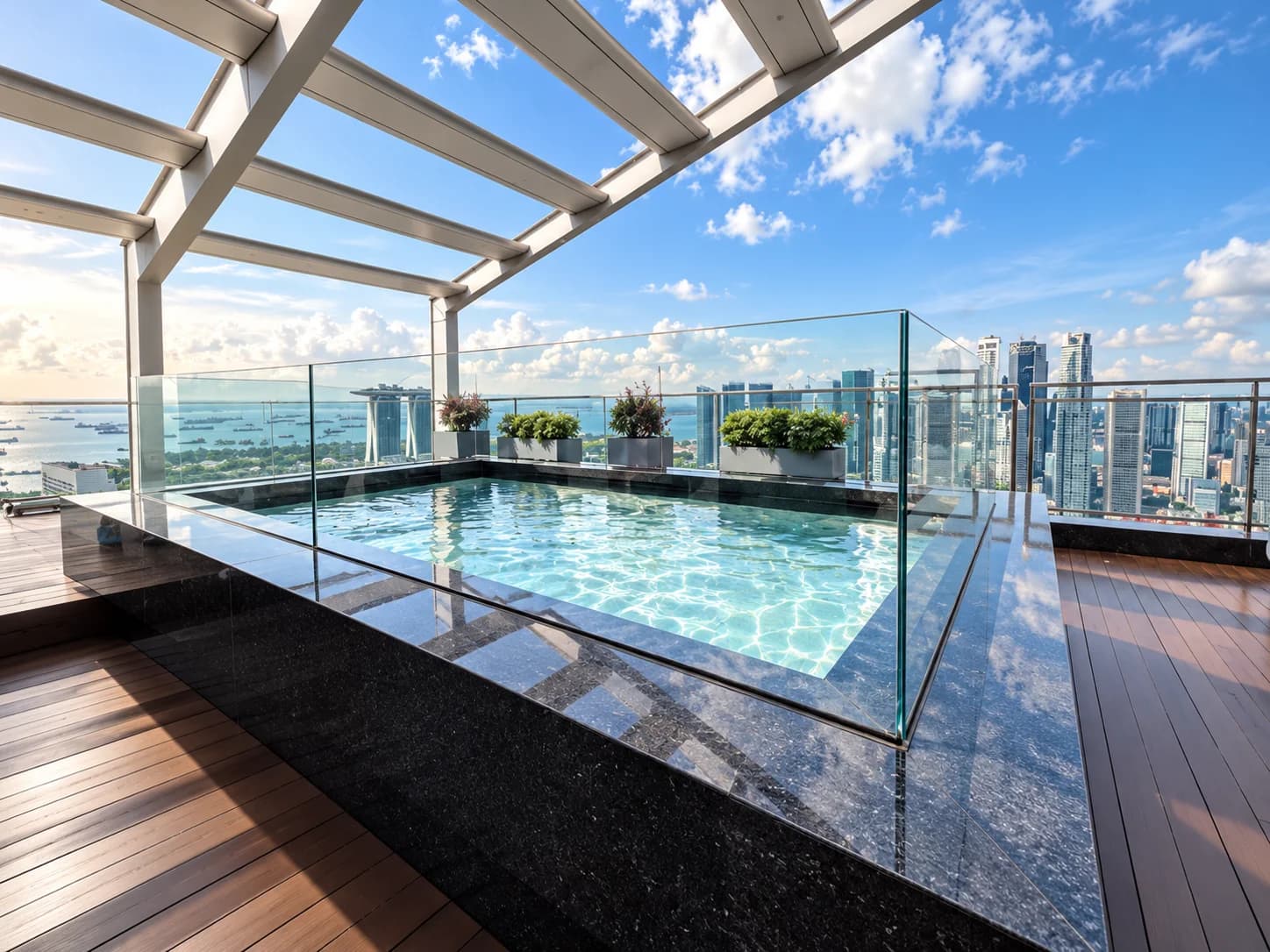
South Beach Residences
Worldbizz supplied and installed the acrylic panels for the rooftop pool at South Beach Residences, overlooking Marina Bay and the city skyline.
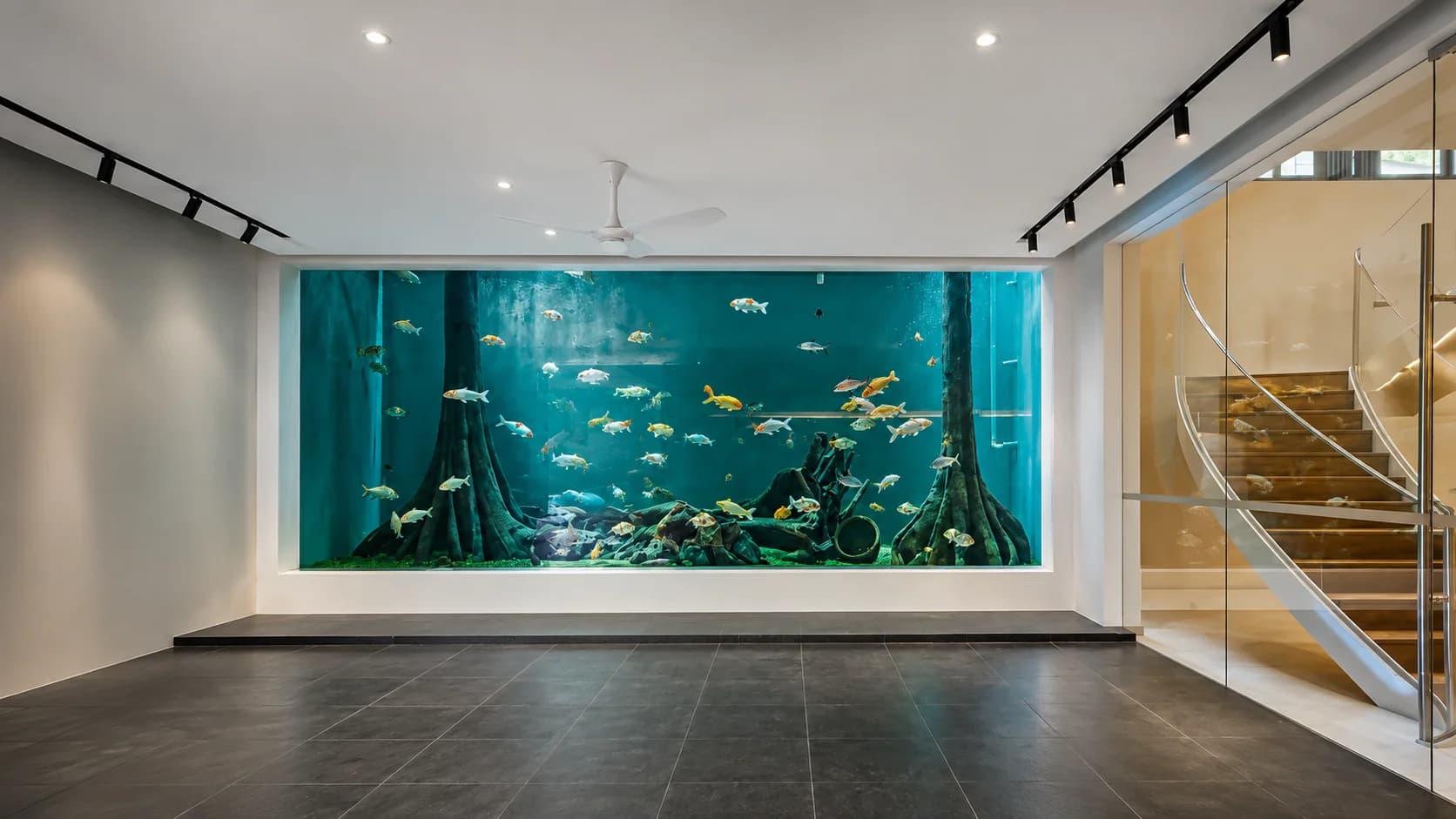
Jervois Hill
Indoor acrylic aquarium panel and acrylic staircase installation for a private residence at Jervois Hill.
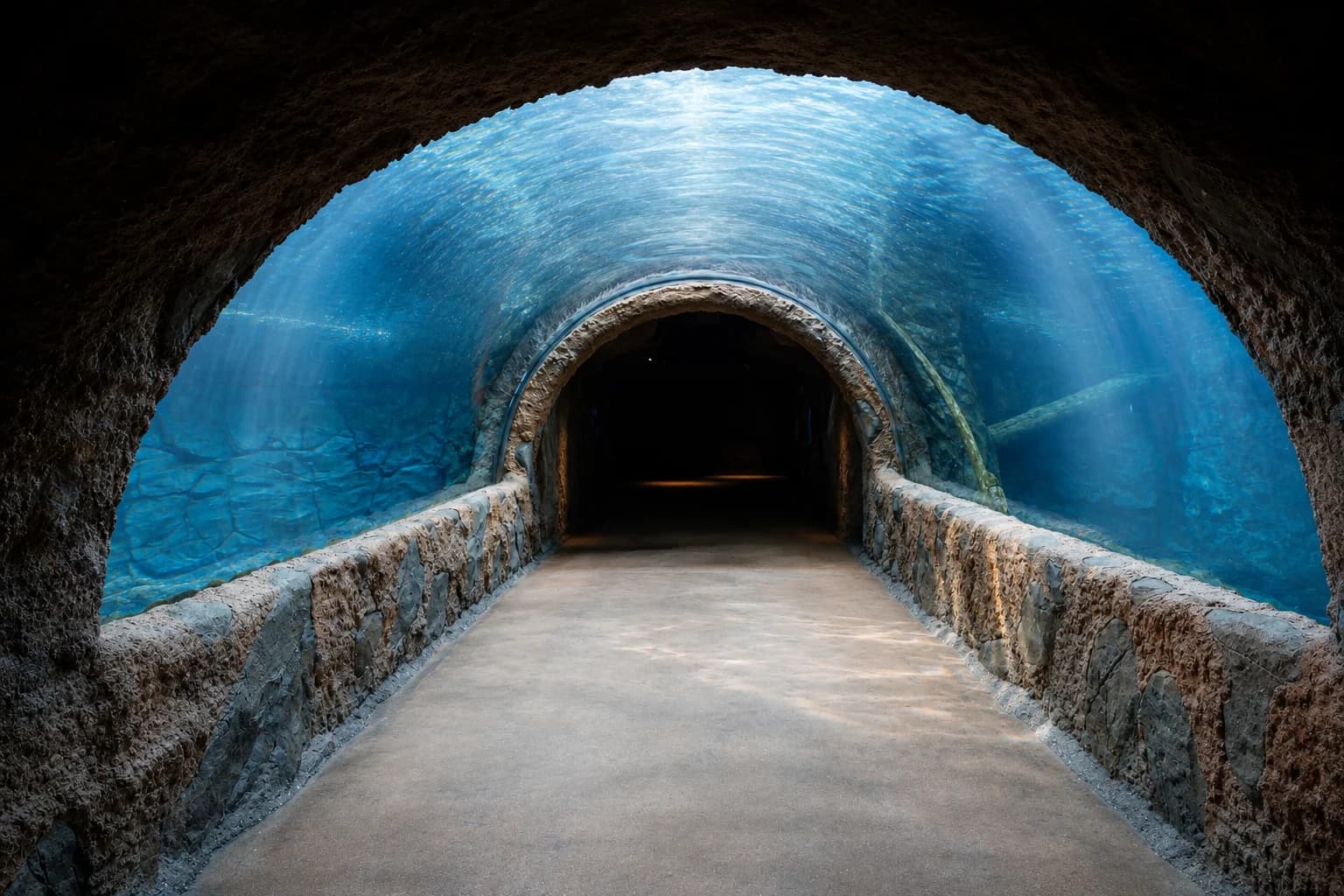
River Safari (River Wonders)
Aquarium viewing panels, structural chemical bonding
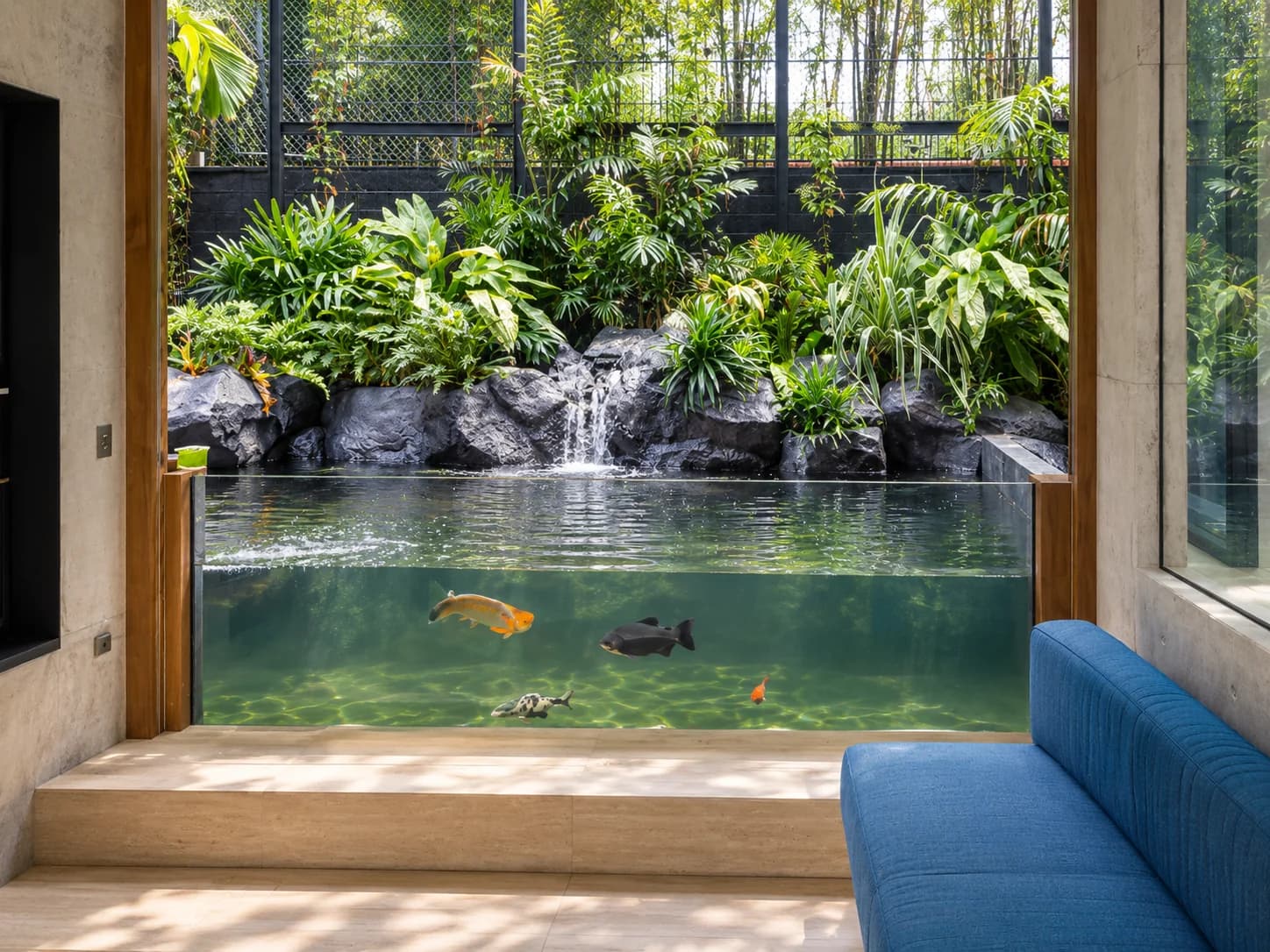
House off Kew Drive
Worldbizz supplied and installed the acrylic viewing panel for a koi pond at a private residence off Kew Drive, giving a full underwater view of the pond from the living room.
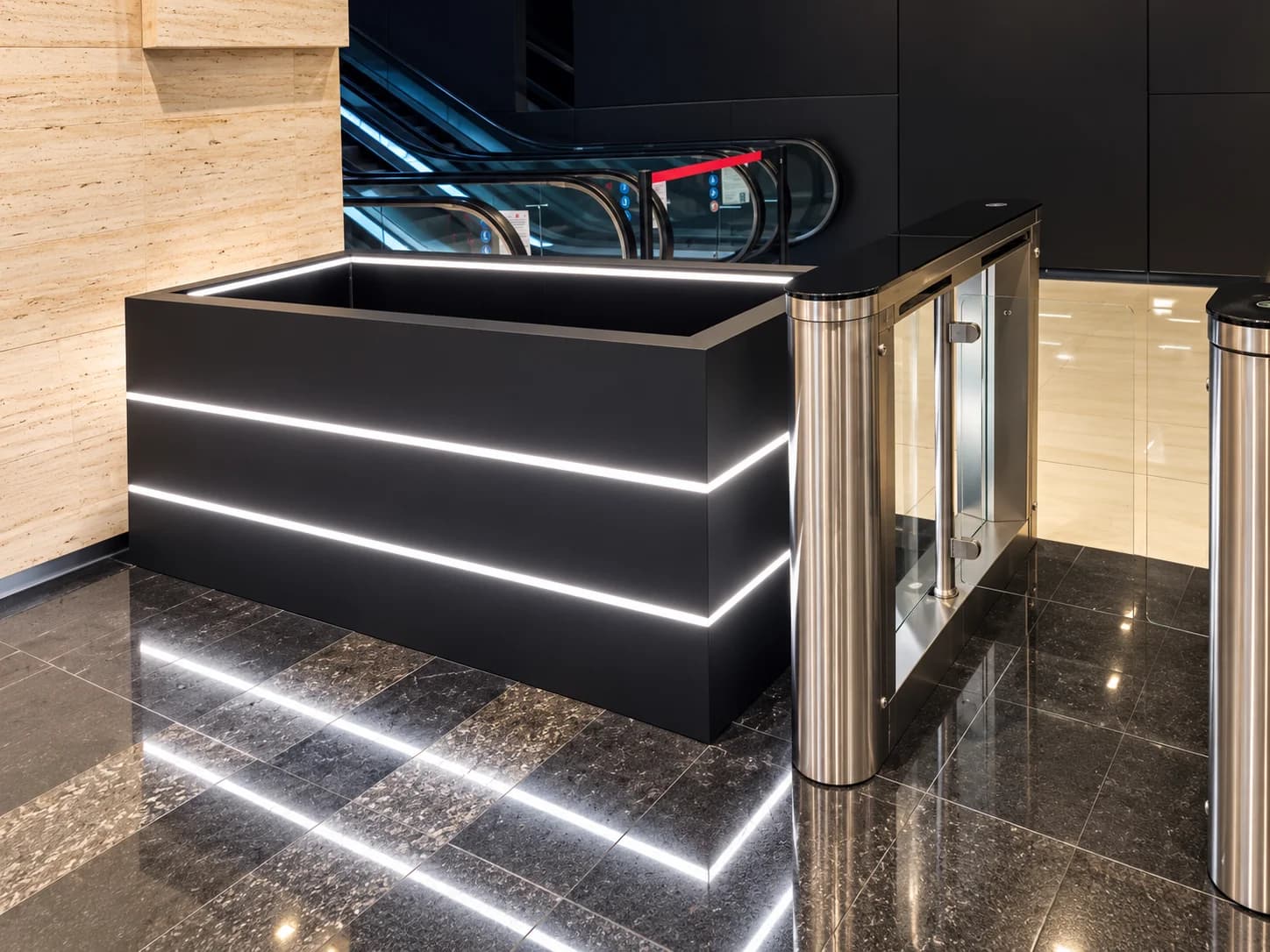
SGX — Lobby Water Feature Tank
Worldbizz fabricated and installed the acrylic tank for a water feature in the SGX lobby, built as a free-standing illuminated vessel beside the entrance gates.
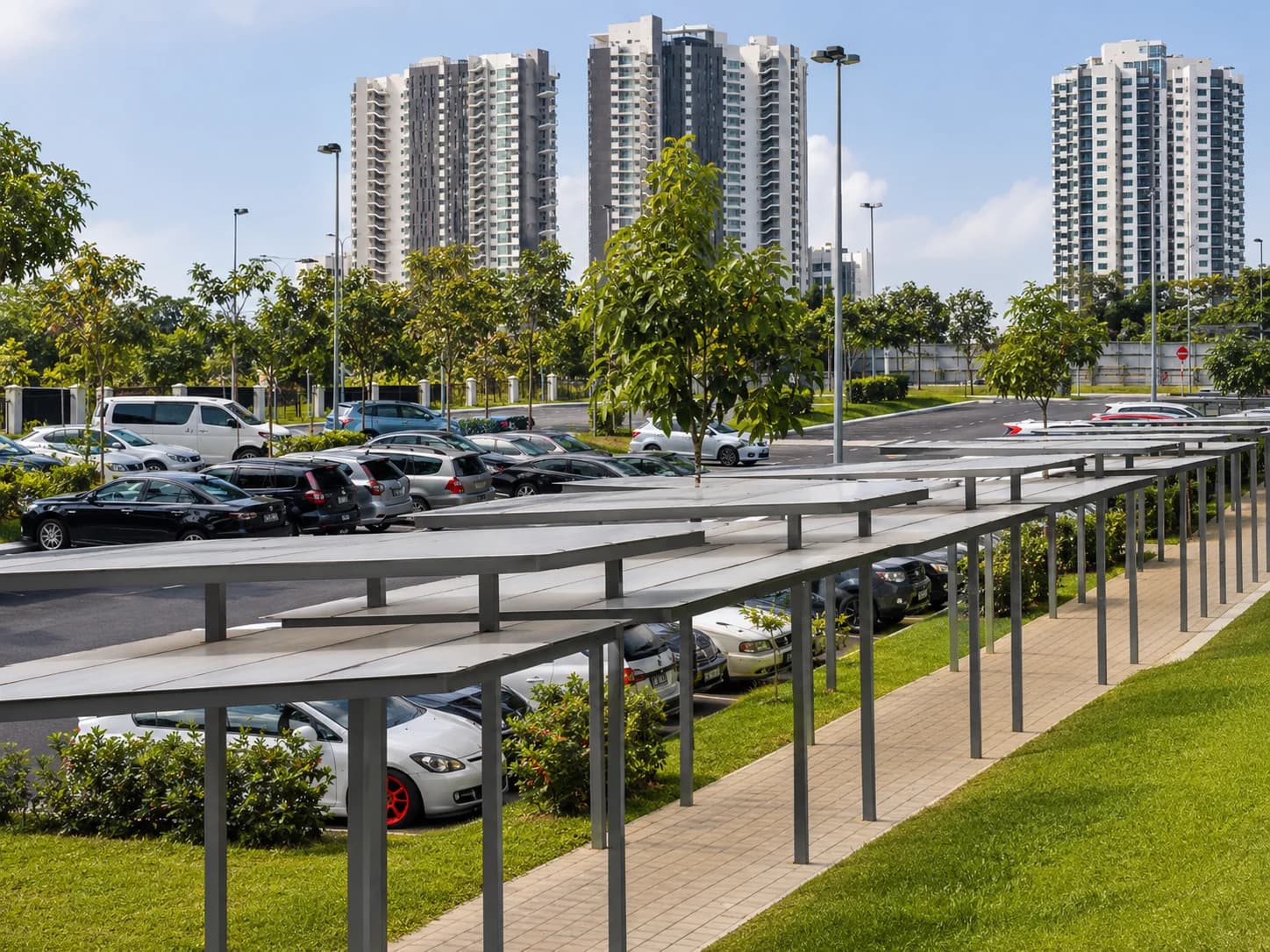
University of Reading Malaysia
Acrylic roofing installation for the University of Reading Malaysia campus.
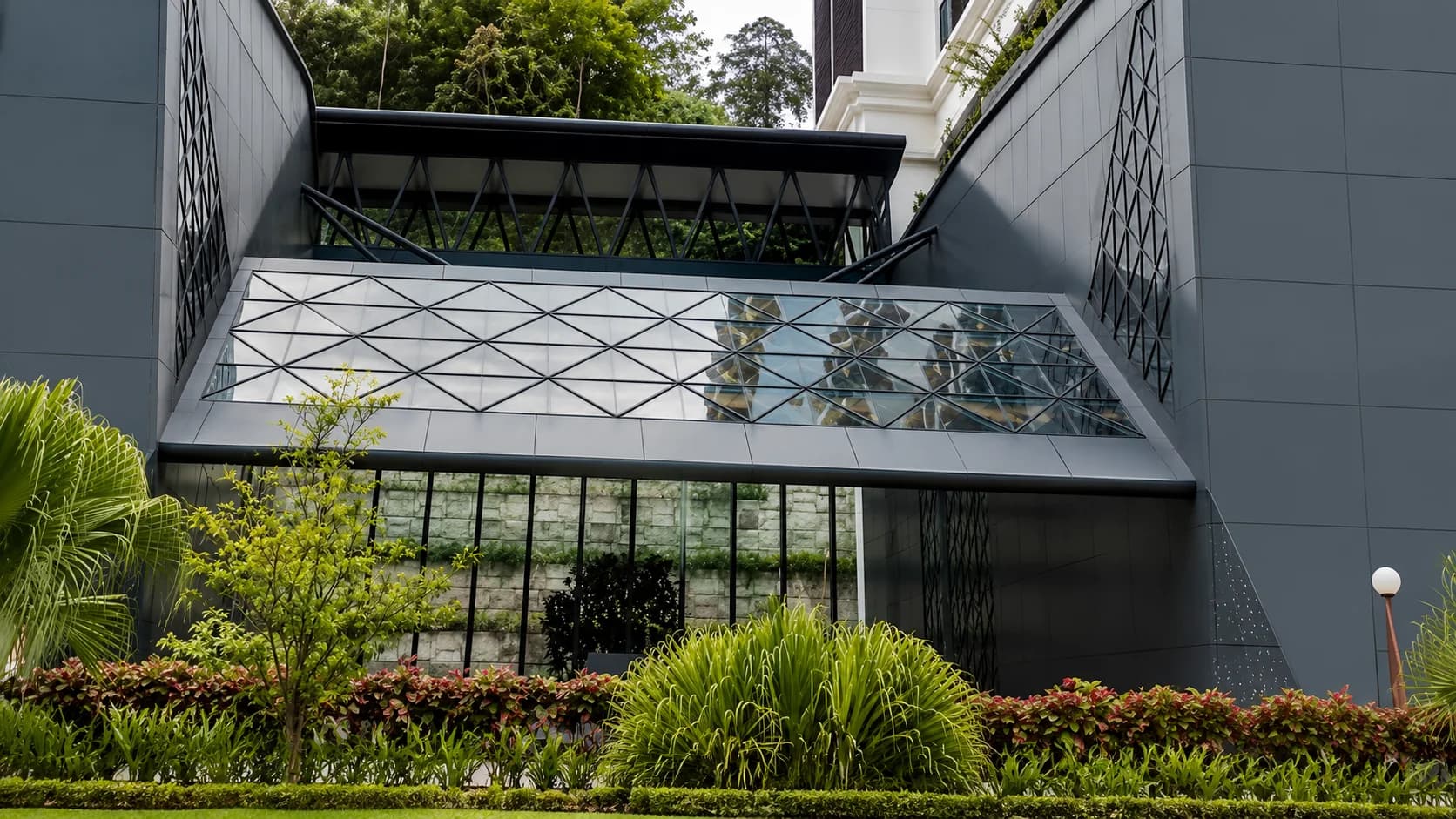
Wangsa 9
Acrylic roofing panels for Wangsa 9.
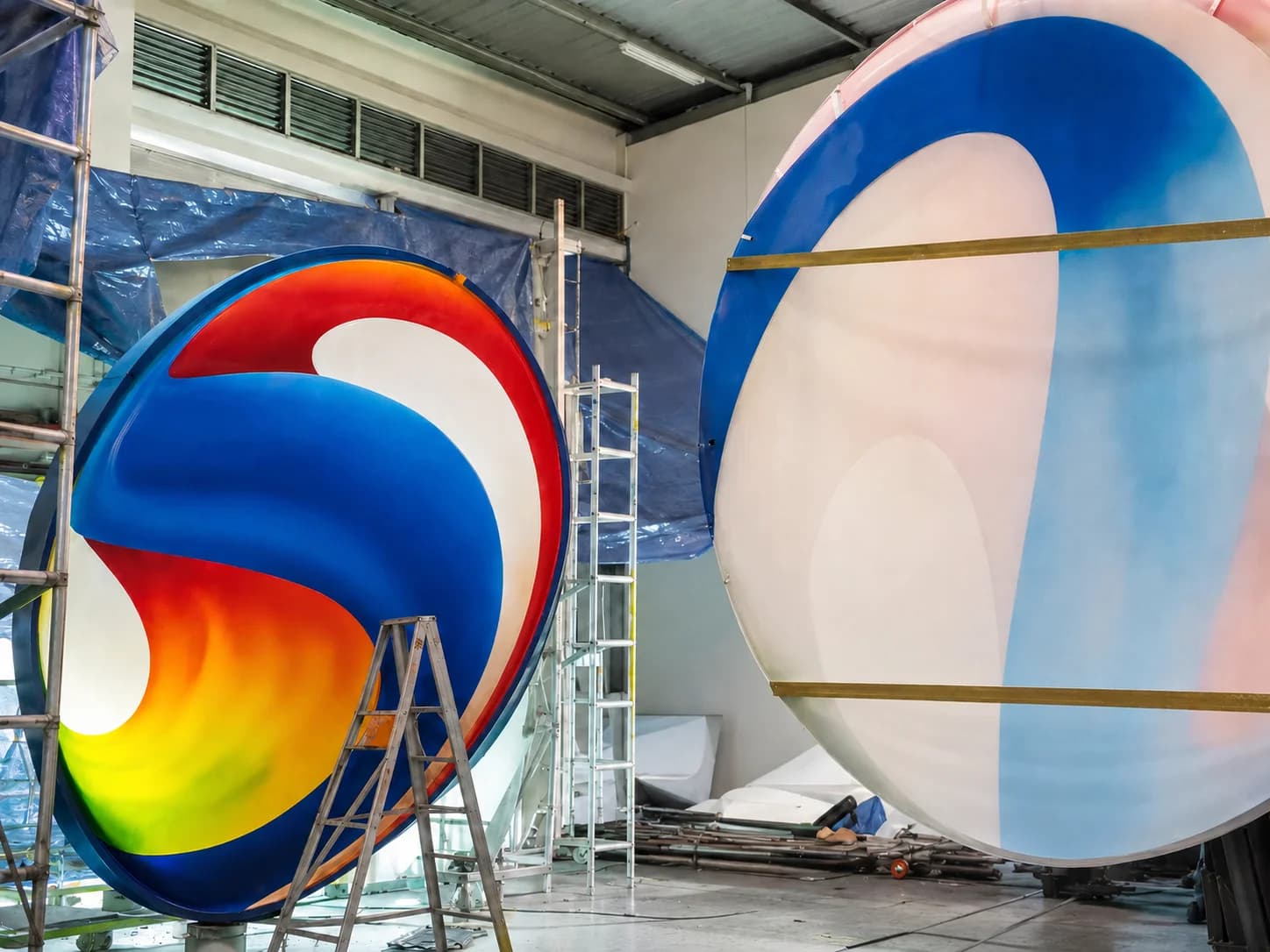
Suntec City Logo
Fabrication and installation of acrylic signage for Suntec City.
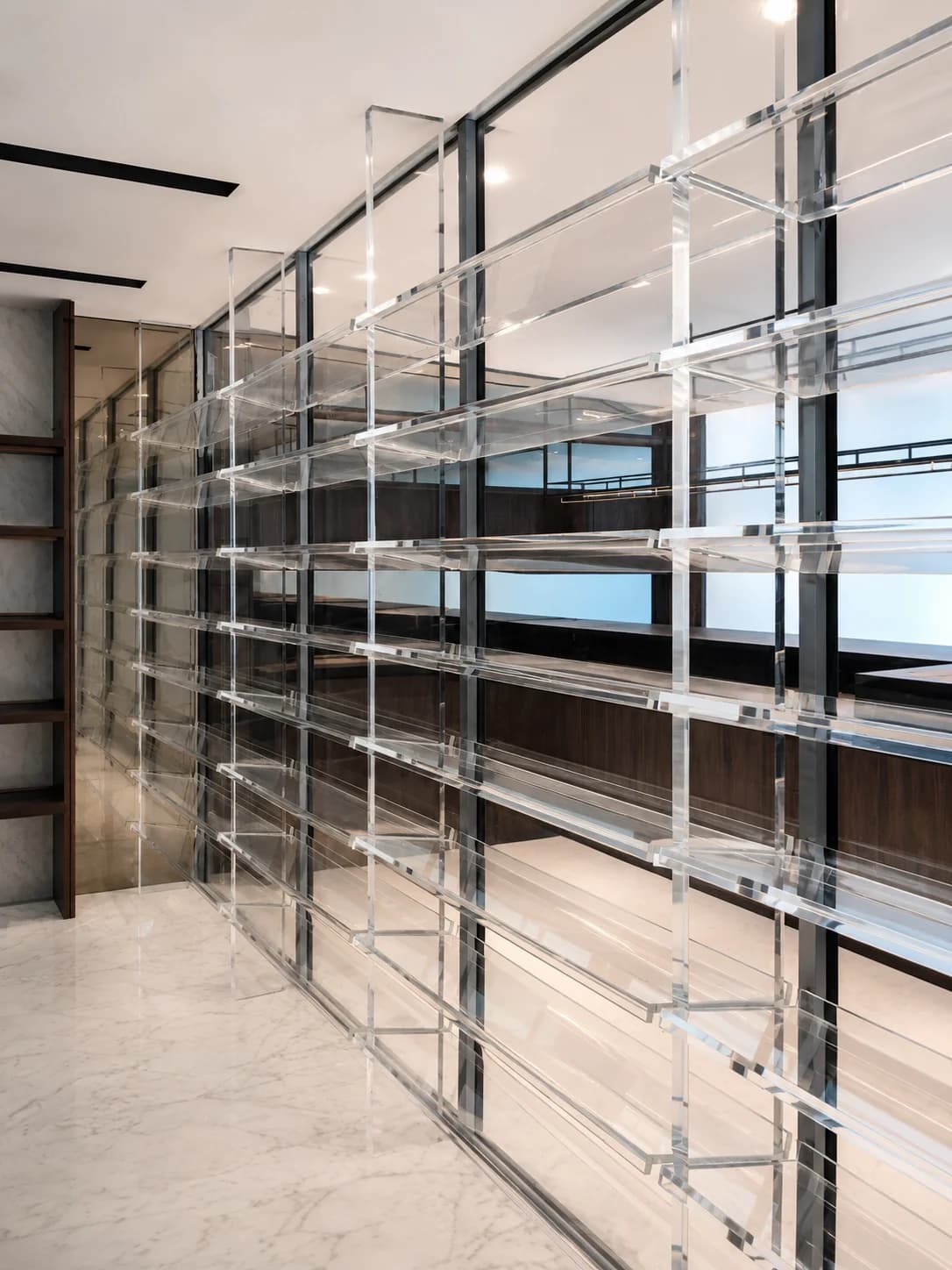
Acrylic Wine Rack, Bishopsgate
Custom acrylic wine rack fabricated and installed for a residential property off Bishopsgate.
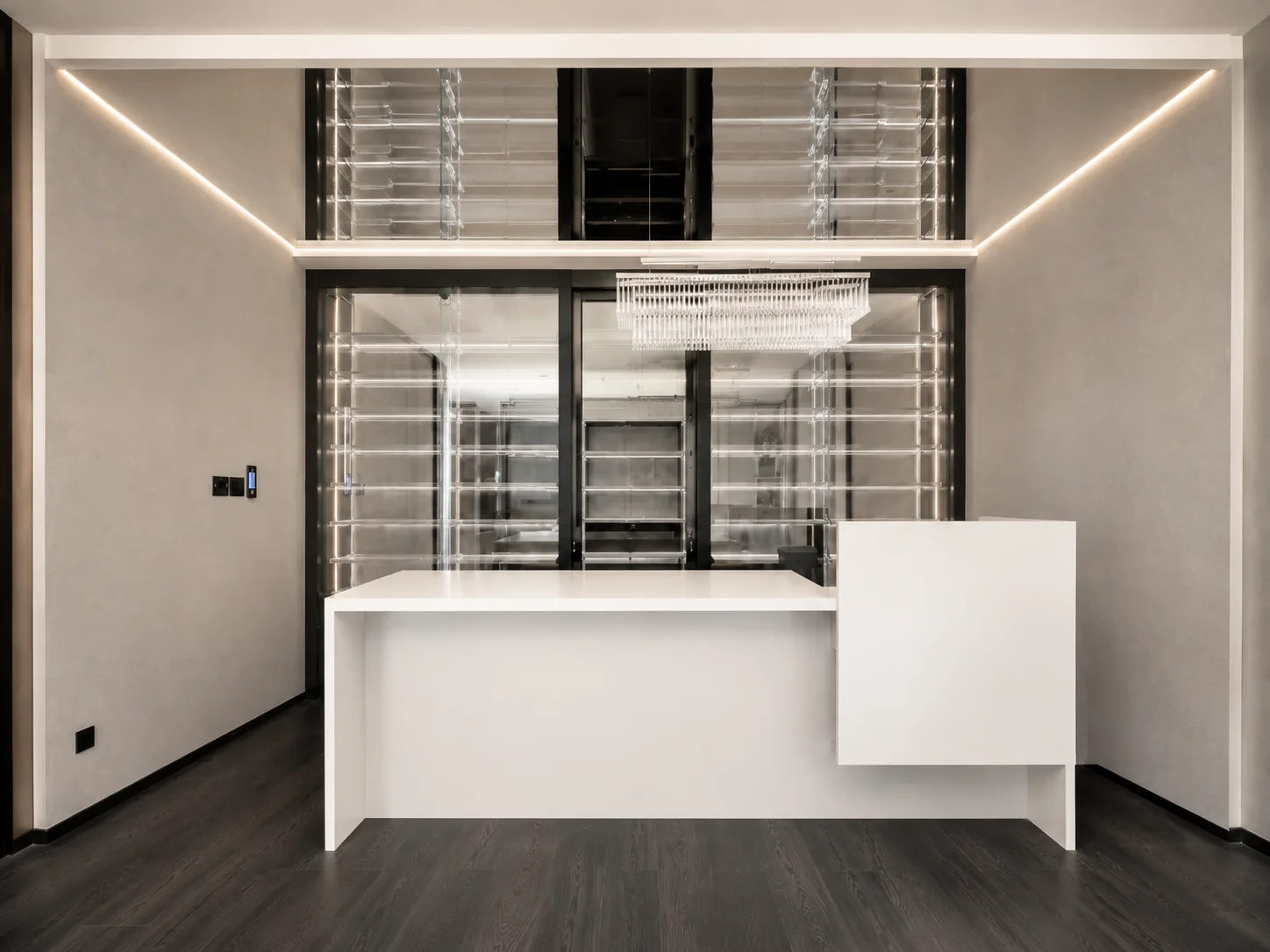
House off Tanglin Hill
Bespoke acrylic interior installation for a landed home off Tanglin Hill.
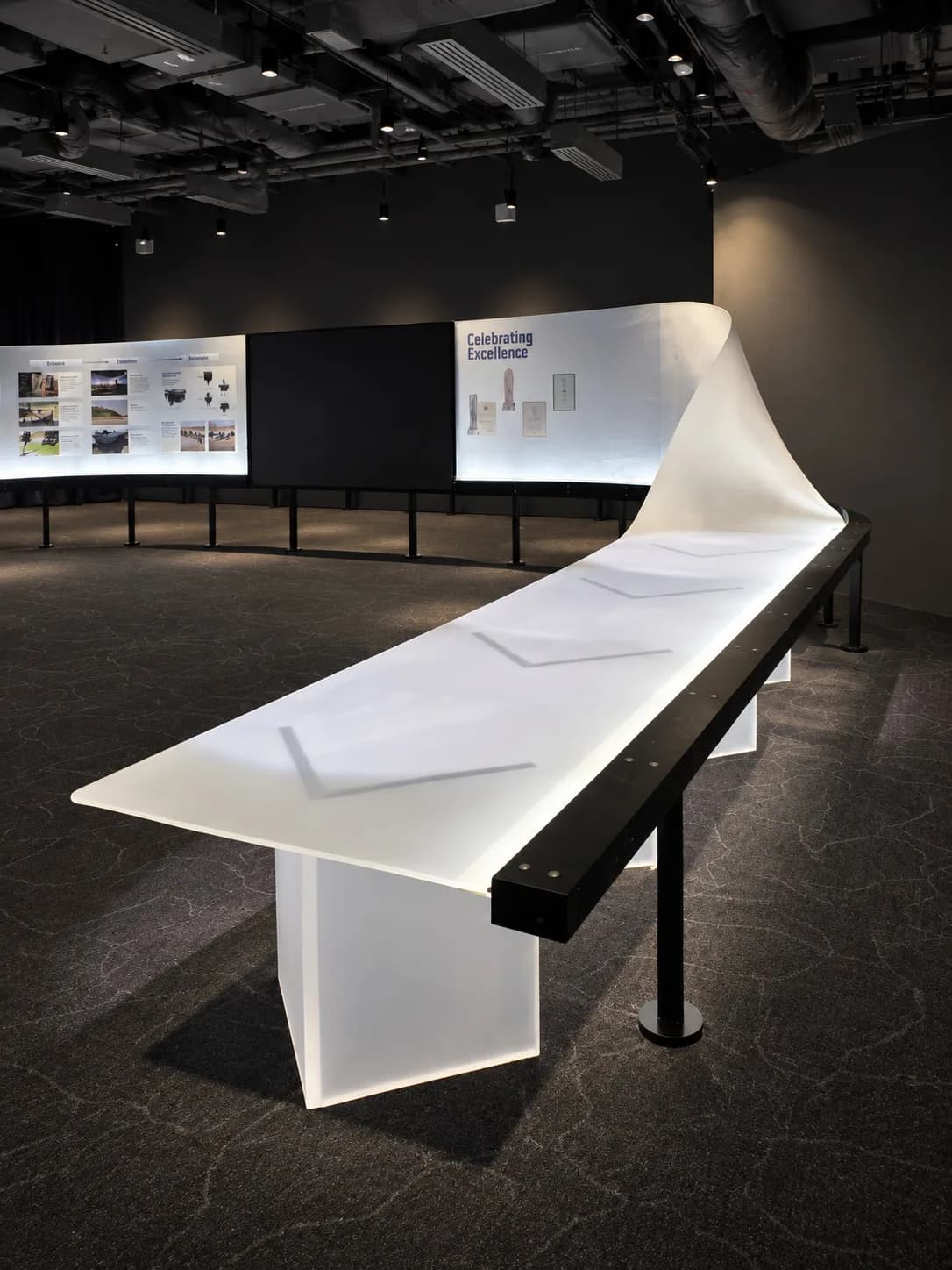
AMN Gallery
An aircraft gallery called for feature panels that read as single, uninterrupted surfaces — long, continuous runs with no visual break to interrupt the exhibit. The reference was the runway itself: one line, carried the length of the room, lifting off at the end. Worldbizz fabricated panel lengths well beyond standard sheet size, thermoformed them to follow the gallery's true curves, and joined them on site with solvent-welded seams finished flush.
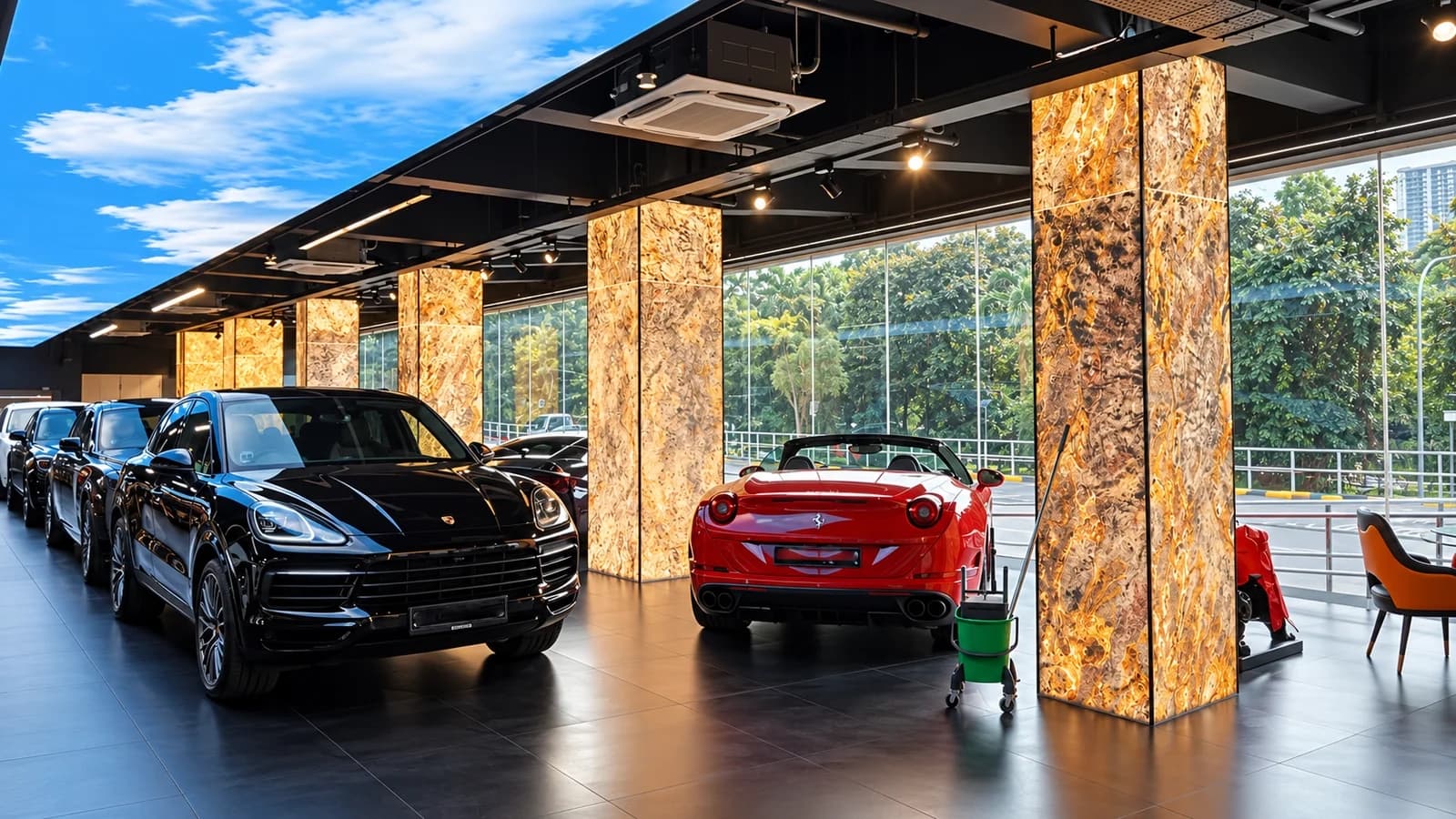
Depot Car Showroom
Worldbizz supplied and installed backlit diffuser acrylic panels, wrapping the showroom columns to create a stone figure that lights up from within to frame the cars on display.
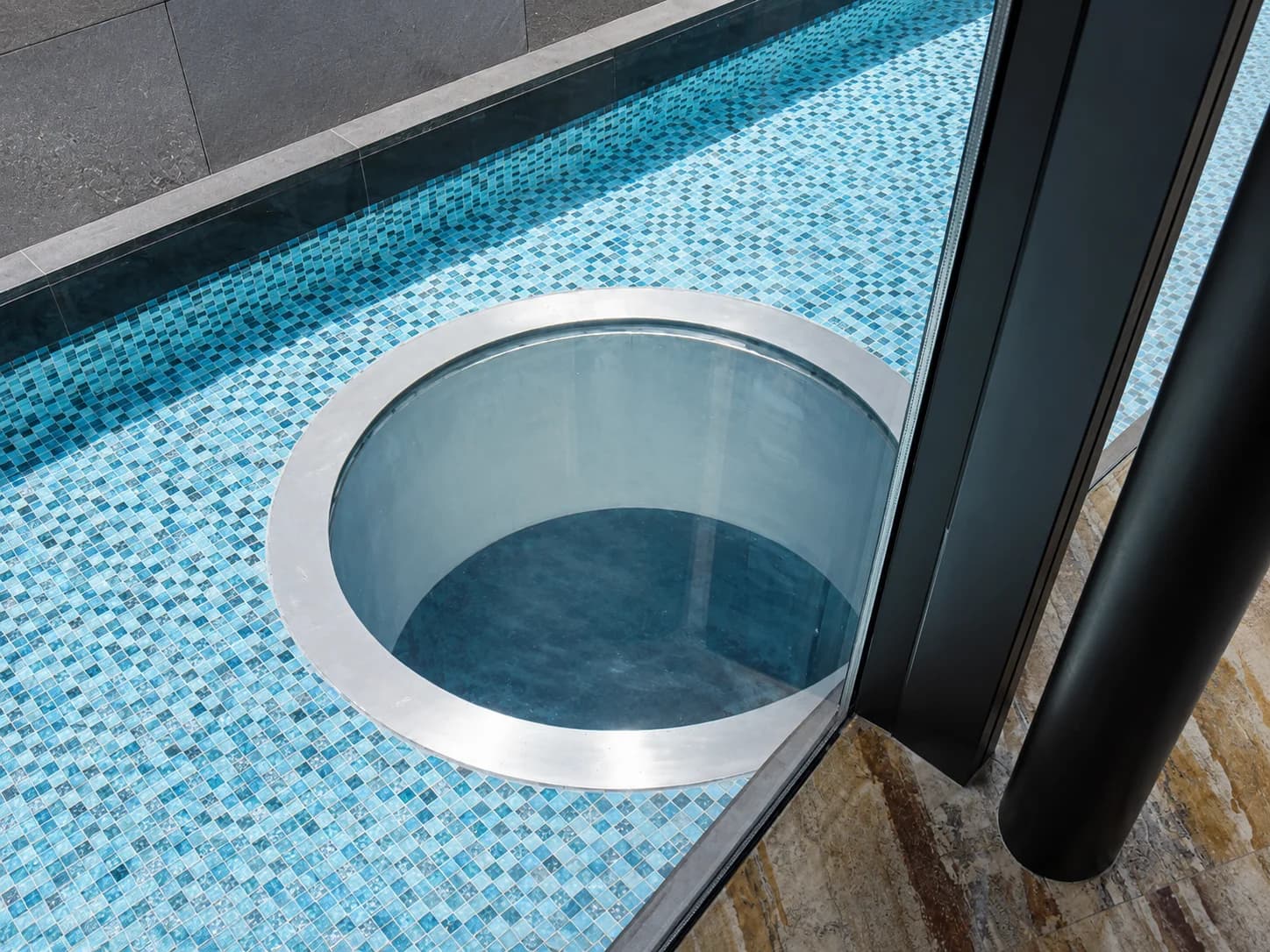
House off Sentosa — Acrylic Skylight
Worldbizz supplied and installed a bespoke acrylic skylight for a private residence off Sentosa.
Frequently Asked Questions
Does acrylic yellow over time in Singapore's climate?
Quality UV-stable cast acrylic resists yellowing for years even under strong tropical sun, which is why it is often preferred over polycarbonate for outdoor signage and glazing. Polycarbonate yellows faster unless it carries a UV-protective coating. Ask for the grade's weathering and UV-stability rating before specifying outdoors.
Acrylic or polycarbonate -- which should I specify?
Choose acrylic for optical clarity, scratch resistance, UV stability, and cost. Choose polycarbonate when impact or safety is critical -- it is far more impact-resistant and near-unbreakable, at the cost of easier scratching and possible yellowing. For most signage, displays, and non-safety glazing, acrylic is the better all-round choice.
What is the difference between cast and extruded acrylic?
Cast acrylic has better optical quality, higher chemical resistance, and cuts and polishes cleanly -- ideal for fabrication and premium finishes. Extruded acrylic has more consistent thickness and lower cost, and thermoforms more easily, but scratches more readily and does not laser-cut as cleanly. For polished edges and laser work, specify cast.
How thick should acrylic be for a balustrade?
Balustrades are structural, so thickness depends on load, span, and fixing -- typically 12 mm and up, often laminated, and it must be engineered rather than picked from a chart. Treat any published figure as a starting point and get a structural sign-off for anything people can lean on or that must resist impact.
Is acrylic fire-rated? Can I use it in commercial buildings?
Standard acrylic is combustible, so for commercial and egress applications you need to confirm the project's fire requirements with SCDF and specify a fire-rated grade where required. Worldbizz can advise on which grades suit which applications. Never assume standard sheet meets a building's fire code.
Can acrylic be laser cut and polished to a clear edge?
Yes -- cast acrylic laser-cuts with a smooth, glass-like flame-polished edge, which is why it is favoured for signage, awards, and edge-lit pieces. Extruded acrylic can chip or gas during laser cutting and gives a less consistent edge, so specify cast where edge quality matters.
How does acrylic compare to glass for weight and safety?
Acrylic weighs about half as much as glass and is many times more impact-resistant, so it is easier to handle, transport, and install, and less likely to shatter dangerously. The trade-off is that acrylic scratches more easily than glass, though surface scratches can usually be buffed out.
Can scratches be removed from acrylic?
Light surface scratches in acrylic can often be polished out with progressive buffing or a plastic polish, unlike glass. Deep gouges may not fully clear. This repairability is one reason acrylic's easier scratching is less of a drawback than it first appears.
Have a project that needs acrylic specification? Contact Worldbizz to discuss material selection, grades available, and typical project timelines. We work directly with architects, engineers, and contractors at specification stage.
Written by
Worldbizz Engineering Team
Reviewed by
Stacey Chew